
DbcultAccessing Vault...
Director's Spotlight
Senior Film Conservator
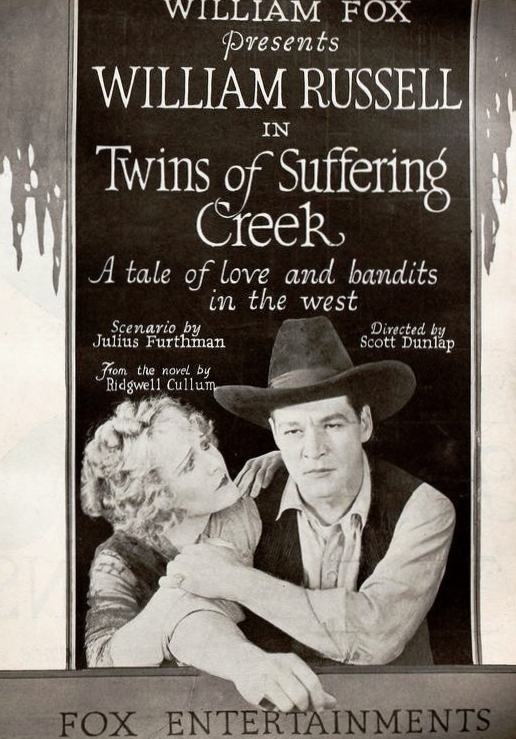
Director's Spotlight: United States
A Deep Dive into the 1920 Vision of Scott R. Dunlap
As a cultural artifact of the 1920s, Twins of Suffering Creek provides the visionary mind of its creator, Scott R. Dunlap. With its avant-garde structure and atmospheric tension, it redefined what audiences could expect from a Romance experience.
In Twins of Suffering Creek, Scott R. Dunlap pushes the boundaries of conventional narrative. The film's unique approach to its subject matter has sparked endless debates and interpretations among cinephiles and critics alike.
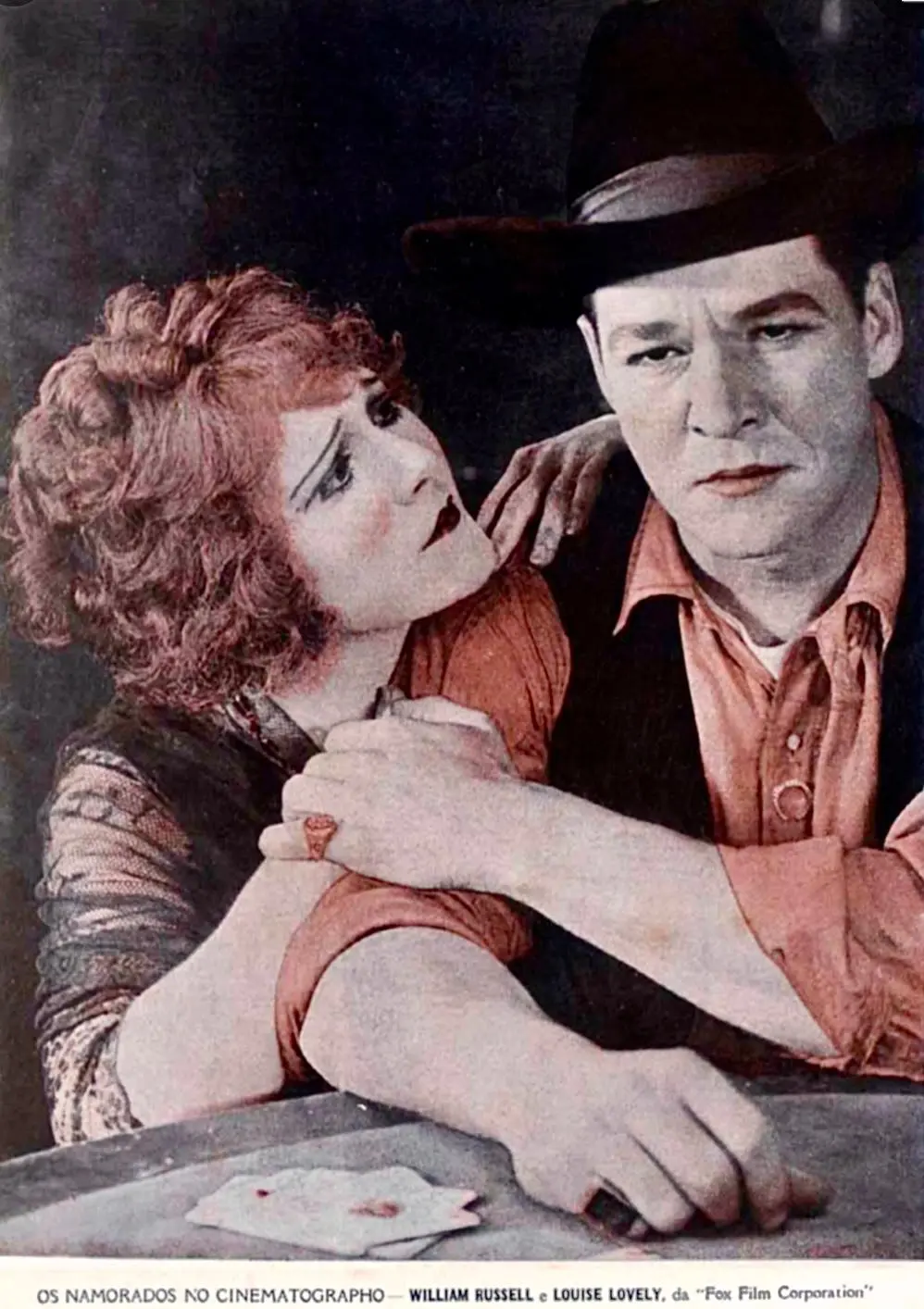
To fully appreciate Twins of Suffering Creek, one must consider the cinematic climate of 1920. During this period, United States was undergoing significant artistic shifts, and Scott R. Dunlap was at the forefront of this Romance movement, often challenging established norms.
| Cinematography | High-Contrast |
| Soundtrack | Orchestral |
| Editing | Invisible |
| Art Direction | Kitsch |
Visualizing the convergence of Scott R. Dunlap's style and the core Romance narrative.
When saloon owner Bill Lark detects that gambler Jim Pemberton is cheating, both men draw their guns. In order to prevent a double killing, it is agreed that the first shot should be decided by a draw from a deck of cards. Bill loses and Pemberton gives him three days to live. Meanwhile, Pemberton has persuaded Jess Jones to leave her husband and ride with him to his cabin in the hills where he is chief of a gang of bandits. Upon discovering his wife's absence, Scipio Jones follows Jess but is driven away by Pemberton's gang. After Jones fails, Bill retrieves Jess and brings her home. The next day, Bill is severely wounded when he drives a stagecoach through an attack by Pemberton's gang, but escapes to keep his date with the outlaw. Arriving to accept his fate of the last draw, Bill discovers that the outlaw has been killed by Scipio Jones. Provided with a new lease on life, the honest saloon keeper marries his sweetheart Little Casino.
Decades after its release, Twins of Suffering Creek remains a vital piece of the cinematic puzzle. Its influence can be seen in countless modern works, solidifying Scott R. Dunlap's status as a master of the craft in United States and beyond.