
DbcultAccessing Vault...
Director's Spotlight
Senior Film Conservator
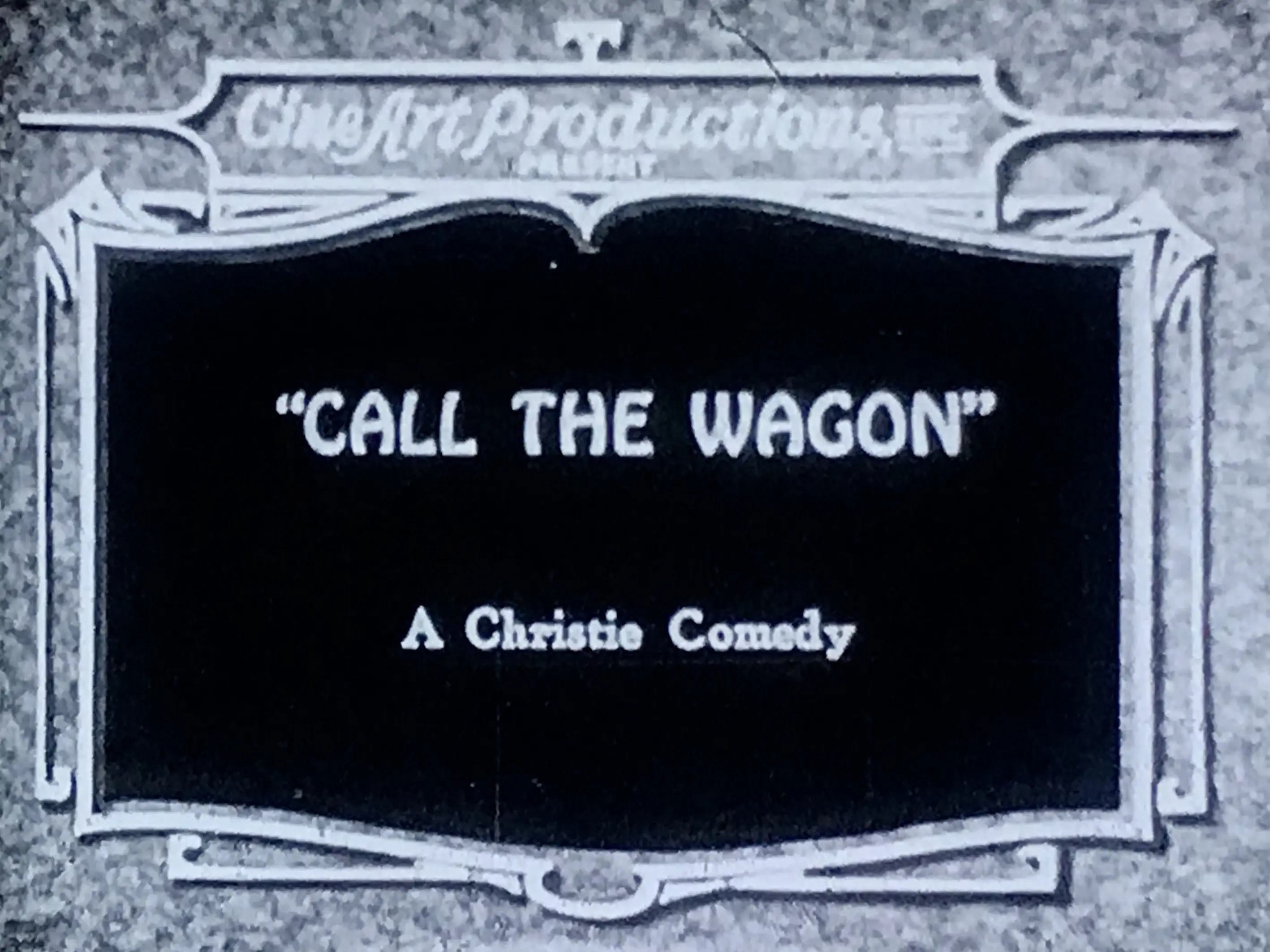
Director's Spotlight: United States
A Deep Dive into the 1923 Vision of Scott Sidney
As a cultural artifact of the 1923s, Call the Wagon provides the visionary mind of its creator, Scott Sidney. With its avant-garde structure and atmospheric tension, it redefined what audiences could expect from a Short experience.
In Call the Wagon, Scott Sidney pushes the boundaries of conventional narrative. The film's unique approach to its subject matter has sparked endless debates and interpretations among cinephiles and critics alike.
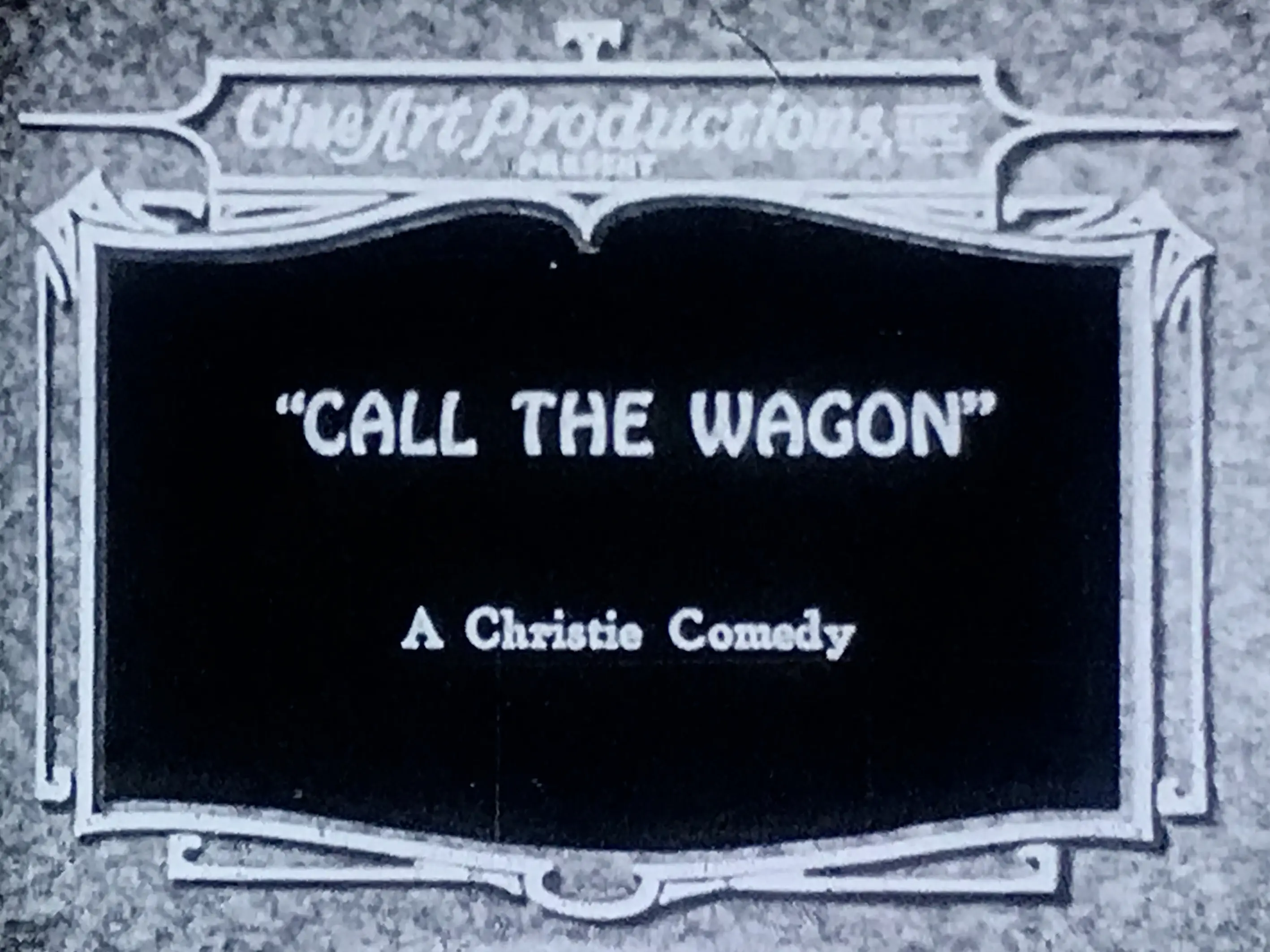
The visual language of Call the Wagon is defined by its use of shadows and framing, a hallmark of Scott Sidney's style. By utilizing a 1923-era palette, the film creates an immersive experience that perfectly complements its Short themes.
| Cinematography | Noir-Inspired |
| Soundtrack | Diegetic |
| Editing | Elliptical |
| Art Direction | Expressionist |
Visualizing the convergence of Scott Sidney's style and the core Short narrative.
Young Dick is pursuing pretty young Mary, but so are a lot of other young men. Dick decides to impersonate her butler and uses that position to keep all of Mary's suitors out of the house so he can work on her himself. When his ruse is discovered, he is thrown out of the house. That, however, doesn't stop him. He gets the maid to help him concoct a story about Mary actually being bald and having false teeth, hoping to drive them away. It works, but it doesn't quite have the effect he intended it to.
Decades after its release, Call the Wagon remains a vital piece of the cinematic puzzle. Its influence can be seen in countless modern works, solidifying Scott Sidney's status as a master of the craft in United States and beyond.