
DbcultAccessing Vault...
Director's Spotlight
Senior Film Conservator
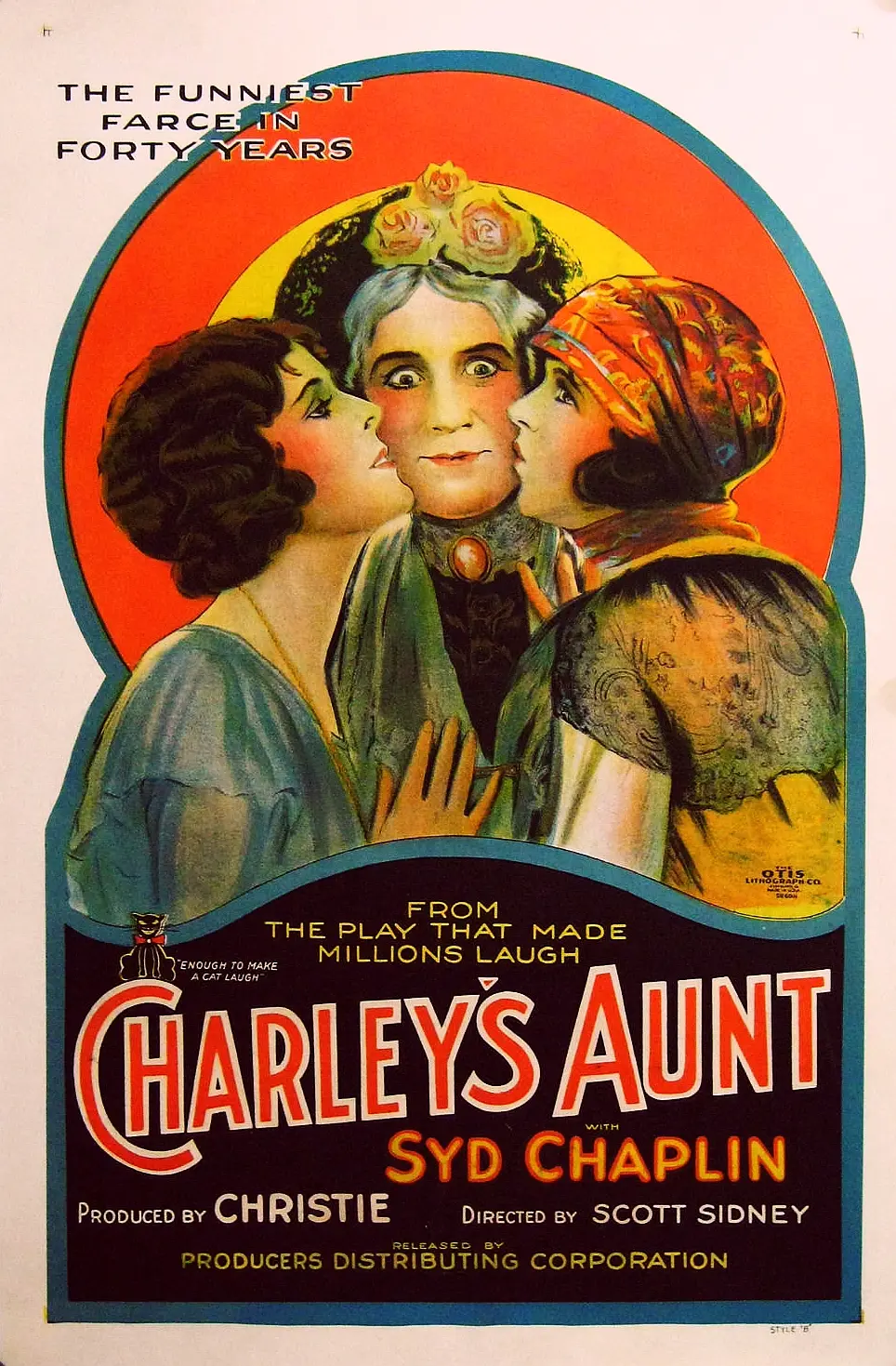
Director's Spotlight: United States
A Deep Dive into the 1925 Vision of Scott Sidney
Analyzing Charley's Aunt (1925) requires a deep dive into the defining moment in Comedy history that Scott Sidney helped create. Defining a new era of United States artistic expression, it transcends regional boundaries to tell a universal story.
In Charley's Aunt, Scott Sidney pushes the boundaries of conventional narrative. The film's unique approach to its subject matter has sparked endless debates and interpretations among cinephiles and critics alike.
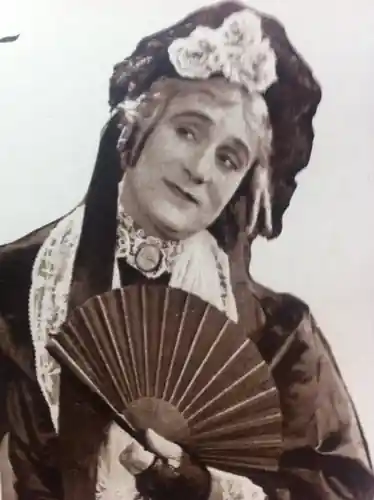
The visual language of Charley's Aunt is defined by its use of shadows and framing, a hallmark of Scott Sidney's style. By utilizing a 1925-era palette, the film creates an immersive experience that perfectly complements its Comedy themes.
| Cinematography | High-Contrast |
| Soundtrack | Minimalist |
| Editing | Slow-Burn |
| Art Direction | Brutalist |
Visualizing the convergence of Scott Sidney's style and the core Comedy narrative.
Charley Wyckham and Jack Chesney pressure fellow student Fancourt Babberly to pose as Charley's Brazilian Aunt Donna Lucia. Their purpose is to have a chaperone for their amorous visits with Amy and Kitty, niece and ward of crusty Stephen Spettigue. Complications begin when Fancourt, in drag, becomes the love object of old Spettigue and Sir Francis Chesney.
Decades after its release, Charley's Aunt remains a vital piece of the cinematic puzzle. Its influence can be seen in countless modern works, solidifying Scott Sidney's status as a master of the craft in United States and beyond.