
DbcultAccessing Vault...
Director's Spotlight
Senior Film Conservator
Director's Spotlight: United States
A Deep Dive into the 1921 Vision of Scott Sidney
Witnessing the stylistic transformation of Comedy through Saving Sister Susie reveals the global recognition that Scott Sidney garnered after the release of Saving Sister Susie. Serving as a mirror to the anxieties of a changing world, offering layers of thematic complexity that demand repeated viewing.
In Saving Sister Susie, Scott Sidney pushes the boundaries of conventional narrative. The film's unique approach to its subject matter has sparked endless debates and interpretations among cinephiles and critics alike.
The visual language of Saving Sister Susie is defined by its use of shadows and framing, a hallmark of Scott Sidney's style. By utilizing a 1921-era palette, the film creates an immersive experience that perfectly complements its Comedy themes.
| Cinematography | Handheld |
| Soundtrack | Experimental |
| Editing | Elliptical |
| Art Direction | Expressionist |
Visualizing the convergence of Scott Sidney's style and the core Comedy narrative.
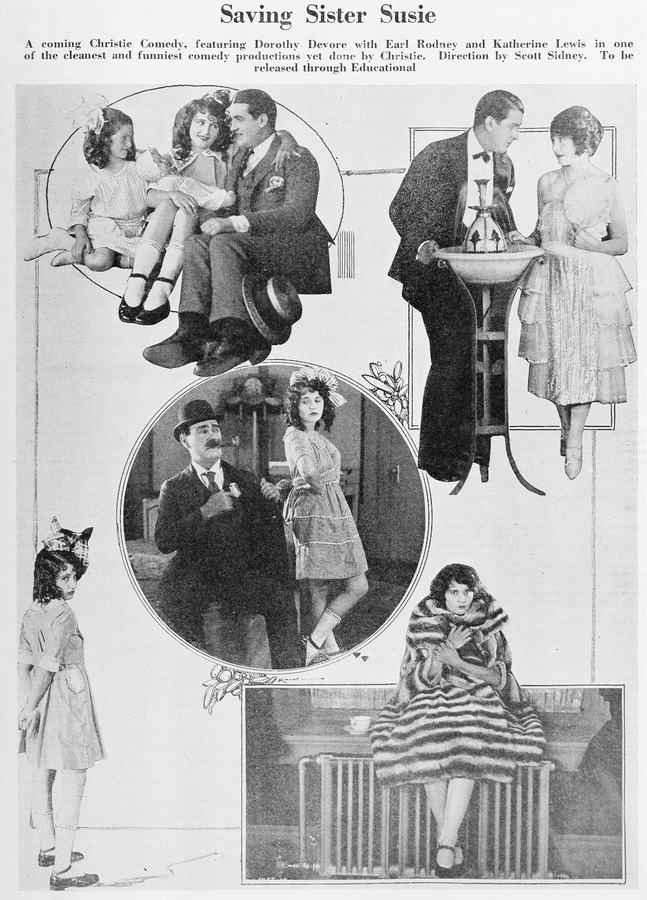
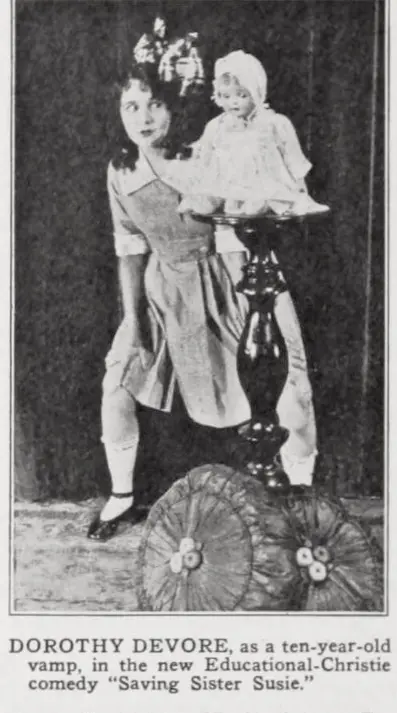
The younger of two sisters is sufficiently attractive to steal the other's admirers. To stop this pirating, mother and elder sister conceive the idea of putting the baby vamp into rompers, leaving her a baby, but no longer a vamp. The scheme works well, but the girl is as attractive as a child as she was as a young lady, and the young man in the case is willing to play with dolls in order to be near her. Her real age is finally discovered, but when the couple try the elopement act, the minister orders the child sent back to her mother.
Decades after its release, Saving Sister Susie remains a vital piece of the cinematic puzzle. Its influence can be seen in countless modern works, solidifying Scott Sidney's status as a master of the craft in United States and beyond.