
DbcultAccessing Vault...
Director's Spotlight
Senior Film Conservator
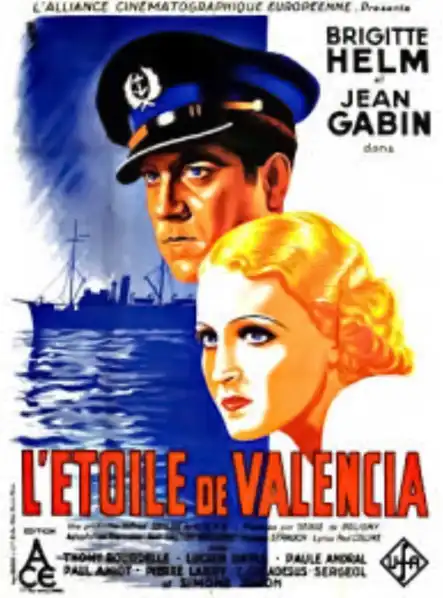
Director's Spotlight: Germany
A Deep Dive into the 1933 Vision of Serge de Poligny
The brilliance of L'étoile de Valencia (1933) is inseparable from the visionary mind of its creator, Serge de Poligny. Serving as a mirror to the anxieties of a changing world, it persists as a haunting reminder of our own cinematic history.
In L'étoile de Valencia, Serge de Poligny pushes the boundaries of conventional narrative. The film's unique approach to its subject matter has sparked endless debates and interpretations among cinephiles and critics alike.
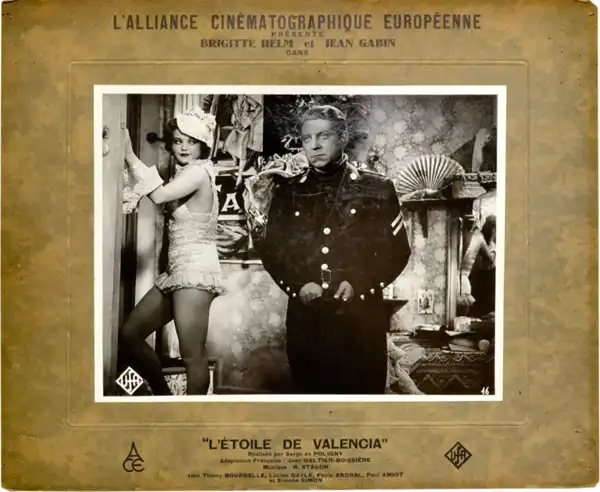
While deeply rooted in Germany, L'étoile de Valencia has achieved a global reach, influencing directors from various backgrounds. Its ability to translate Drama tropes into a universal cinematic language is why it remains a cult staple decades after its 1933 release.
| Cinematography | Static |
| Soundtrack | Experimental |
| Editing | Elliptical |
| Art Direction | Expressionist |
Visualizing the convergence of Serge de Poligny's style and the core Drama narrative.
Because a sailor once told Pedro Savedra his wife Marion cheated on him he left her. Learning later that it was nothing but a practical joke, Pedro decides to find her and to win her back. He finally traces her in Palma de Mallorca, where she has become a cabaret singer. To set her free, he needs money and accepts a job. But Palesco, the nightclub owner, does not agree to let Marion go and will not shy about throwing a wrench in the gears.
Decades after its release, L'étoile de Valencia remains a vital piece of the cinematic puzzle. Its influence can be seen in countless modern works, solidifying Serge de Poligny's status as a master of the craft in Germany and beyond.