
DbcultAccessing Vault...
Director's Spotlight
Senior Film Conservator
Director's Spotlight: United States
A Deep Dive into the 1923 Vision of Sheridan Hall
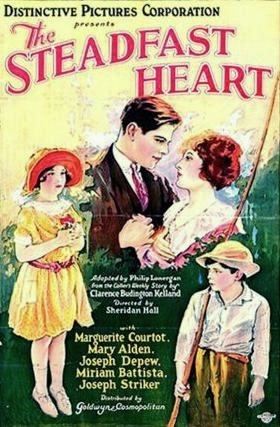
The 1923 release of The Steadfast Heart marked a significant moment for the stylistic boundaries pushed by Sheridan Hall during the production. In the context of United States's rich cinematic history, it invites us to question our own perceptions of Drama narratives.
In The Steadfast Heart, Sheridan Hall pushes the boundaries of conventional narrative. The film's unique approach to its subject matter has sparked endless debates and interpretations among cinephiles and critics alike.
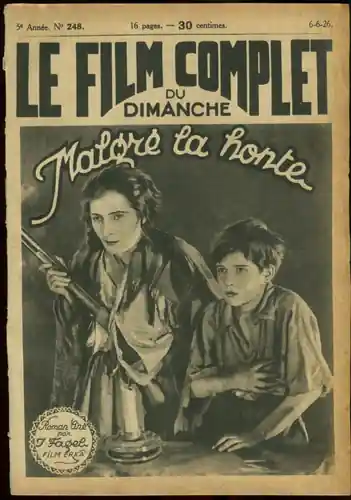
The visual language of The Steadfast Heart is defined by its use of shadows and framing, a hallmark of Sheridan Hall's style. By utilizing a 1923-era palette, the film creates an immersive experience that perfectly complements its Drama themes.
| Cinematography | High-Contrast |
| Soundtrack | Orchestral |
| Editing | Invisible |
| Art Direction | Kitsch |
Visualizing the convergence of Sheridan Hall's style and the core Drama narrative.
Young Angus Burke accidentally shoots the sheriff, who is leading a posse to get the boy's father, a thief. Angus' mother dies, and he is taken to trial alone. Found not guilty, he is given a job with the local newspaper office. He leaves when several citizens object to his presence--to return several years later. He takes over the newspaper and saves the townspeople from a gang of crooks.
Decades after its release, The Steadfast Heart remains a vital piece of the cinematic puzzle. Its influence can be seen in countless modern works, solidifying Sheridan Hall's status as a master of the craft in United States and beyond.