
DbcultAccessing Vault...
Director's Spotlight
Senior Film Conservator
Director's Spotlight: United States
A Deep Dive into the 1934 Vision of Sid Marcus
As we revisit the 1934 masterpiece The Great Experiment, we are struck by the meticulous attention to detail that Sid Marcus applied to every frame. Anchored by a narrative that is both personal and universal, it bridges the gap between traditional Family and contemporary vision.
In The Great Experiment, Sid Marcus pushes the boundaries of conventional narrative. The film's unique approach to its subject matter has sparked endless debates and interpretations among cinephiles and critics alike.
| Cinematography | Noir-Inspired |
| Soundtrack | Diegetic |
| Editing | Elliptical |
| Art Direction | Expressionist |
Visualizing the convergence of Sid Marcus's style and the core Family narrative.
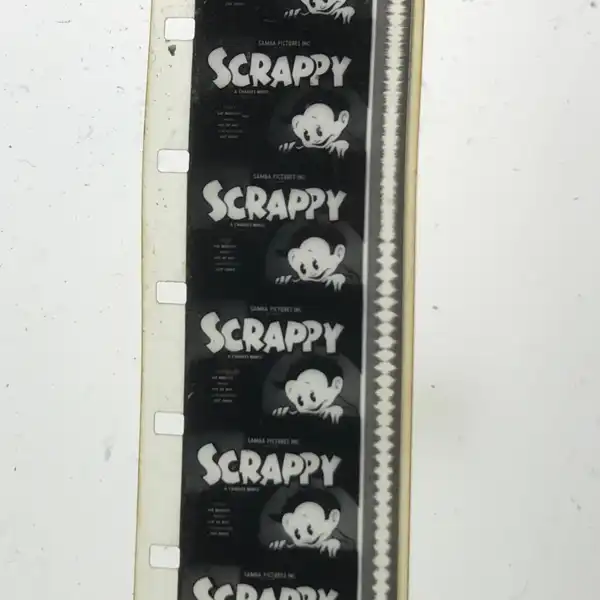
Scrappy cartoon from Charles Mintz of Columbia Pictures. In this one, mad scientist Hugo Plotz experiments on the boy character in a water bowl by first turning him into a fish and then an old man. When his little brother comes in, Hugo then turns them into babies. And then when they go back to normal, they travel into the future, all the way to 1990. There they encounter people in propeller hats and attempt to rescue a girl from Plotz.
Decades after its release, The Great Experiment remains a vital piece of the cinematic puzzle. Its influence can be seen in countless modern works, solidifying Sid Marcus's status as a master of the craft in United States and beyond.