
DbcultAccessing Vault...
Director's Spotlight
Senior Film Conservator
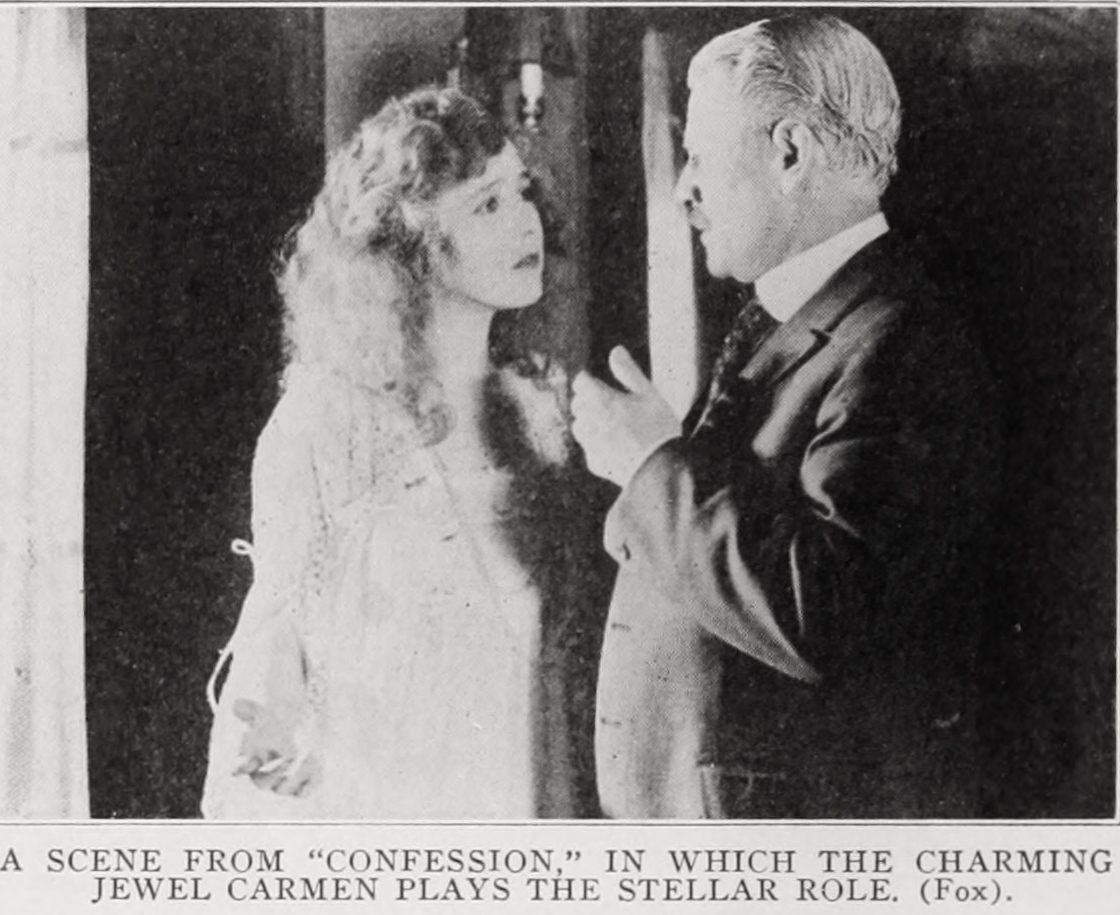
Director's Spotlight: United States
A Deep Dive into the 1918 Vision of Sidney Franklin
To understand the modern evolution of United States film, one must first look at Confession and the meticulous attention to detail that Sidney Franklin applied to every frame. Reflecting the political and social shifts of the 1918s, it showcases the power of cult as a tool for social commentary.
In Confession, Sidney Franklin pushes the boundaries of conventional narrative. The film's unique approach to its subject matter has sparked endless debates and interpretations among cinephiles and critics alike.
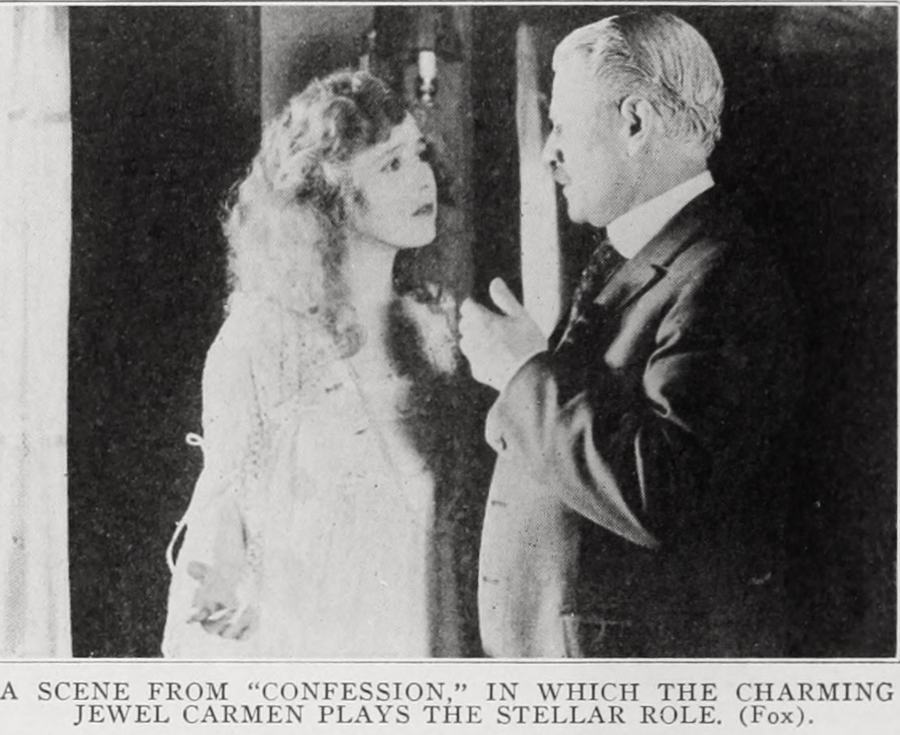
While deeply rooted in United States, Confession has achieved a global reach, influencing directors from various backgrounds. Its ability to translate cult tropes into a universal cinematic language is why it remains a cult staple decades after its 1918 release.
| Cinematography | Handheld |
| Soundtrack | Minimalist |
| Editing | Disjunctive |
| Art Direction | Baroque |
Visualizing the convergence of Sidney Franklin's style and the core cult narrative.
Bob Anderson and his bride Mary depart for a country inn on their honeymoon, but on the road they are robbed of all their valuables, including her wedding ring. The hotel clerk, who refuses to believe that they are married, allows them to sleep in the parlor but regards them with suspicion. Before dawn, Bob hears a scream; rushing into the room he discovers that a woman has been murdered. The police arrive and arrest him, after which he is tried, convicted, and sentenced to death. Having learned that further crimes have been committed in the hotel, Mary and her father set a trap for the criminal, whom they discover is the hotel clerk. After he confesses his guilt in the murder case, Mary tries frantically to reach the governor in time to prevent Bob's execution but is informed that it is too late. At that moment, Mary awakens and realizes that it was all a dream.
Decades after its release, Confession remains a vital piece of the cinematic puzzle. Its influence can be seen in countless modern works, solidifying Sidney Franklin's status as a master of the craft in United States and beyond.