
DbcultAccessing Vault...
Director's Spotlight
Senior Film Conservator
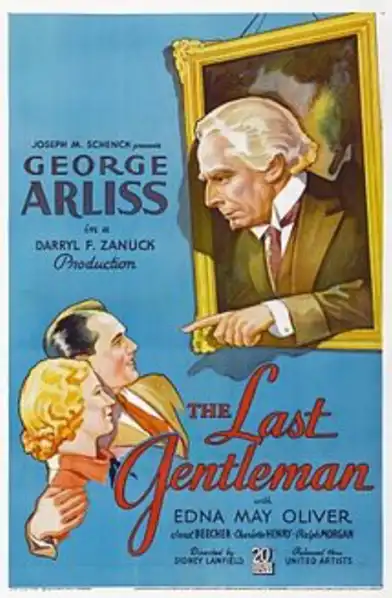
Director's Spotlight: United States
A Deep Dive into the 1934 Vision of Sidney Lanfield
Analyzing The Last Gentleman (1934) requires a deep dive into the defining moment in Comedy history that Sidney Lanfield helped create. Defining a new era of United States artistic expression, it transcends regional boundaries to tell a universal story.
In The Last Gentleman, Sidney Lanfield pushes the boundaries of conventional narrative. The film's unique approach to its subject matter has sparked endless debates and interpretations among cinephiles and critics alike.
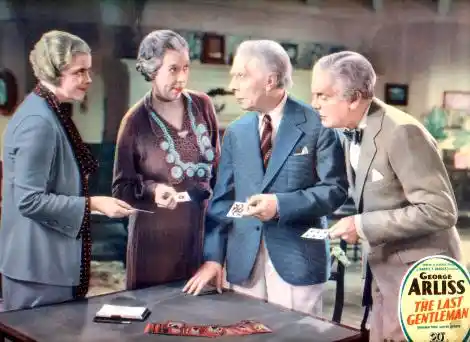
In this work, Sidney Lanfield explores the intersection of Comedy and United States cultural identity. The meticulous attention to detail suggests a deep-seated commitment to pushing the boundaries of the medium, ensuring that The Last Gentleman remains a relevant topic of study for Comedy enthusiasts.
| Cinematography | Handheld |
| Soundtrack | Diegetic |
| Editing | Rhythmic |
| Art Direction | Naturalist |
Visualizing the convergence of Sidney Lanfield's style and the core Comedy narrative.
In New England circa 1933, a niece is reported missing and presumed dead and Cabot Barr (George Arliss) summons his relatives to the family estate for a memorial service. Once there, Barr taunts each one, claiming their only interest in him is his money, and sends them away when the report about the niece proves to be false. Only niece Marjorie, who has ridiculed one of his pet eccentricities, seems to be the object of any sentimental affection. Weeks later, Marjorie and her mother, Augusta (Edna May Oliver) and Allan (Frank Albertson), a young man Barr admires, are invited to Barr manor, where Barr fosters a romance between Marjorie and Allan. When his son, Judd (Donald Meek), seeks to have him declared insane, the shock kills the old man. Again, the family is gathered, a curtain is drawn and the old man appears on a film, and he tells each relative what he is leaving them and why, or why not in the case of Judd who is cut off without a cent. Marjorie is left the bulk of the estate as the old man, on film, declares her to be the only one worthy of carrying on the Barr traditions, and Allan is instructed to marry her and take her name as his family's cognomen. The film and the film within ends with Barr announcing that he hopes to have the pleasure of meeting them all again in another world.
Decades after its release, The Last Gentleman remains a vital piece of the cinematic puzzle. Its influence can be seen in countless modern works, solidifying Sidney Lanfield's status as a master of the craft in United States and beyond.