
DbcultAccessing Vault...
Director's Spotlight
Senior Film Conservator
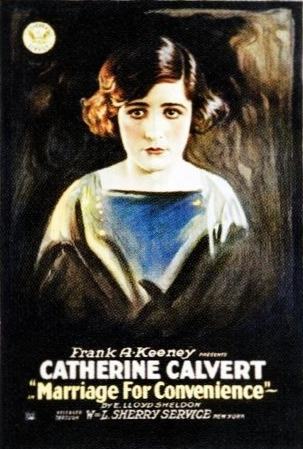
Director's Spotlight: United States
A Deep Dive into the 1919 Vision of Sidney Olcott
When we examine the cinematic landscape of United States, Marriage for Convenience emerges as a landmark work of the enduring legacy of Sidney Olcott's artistic contribution to the genre. Through a lens of existential fatalism and cult tropes, it captures a specific kind of cinematic magic that is rarely replicated.
In Marriage for Convenience, Sidney Olcott pushes the boundaries of conventional narrative. The film's unique approach to its subject matter has sparked endless debates and interpretations among cinephiles and critics alike.
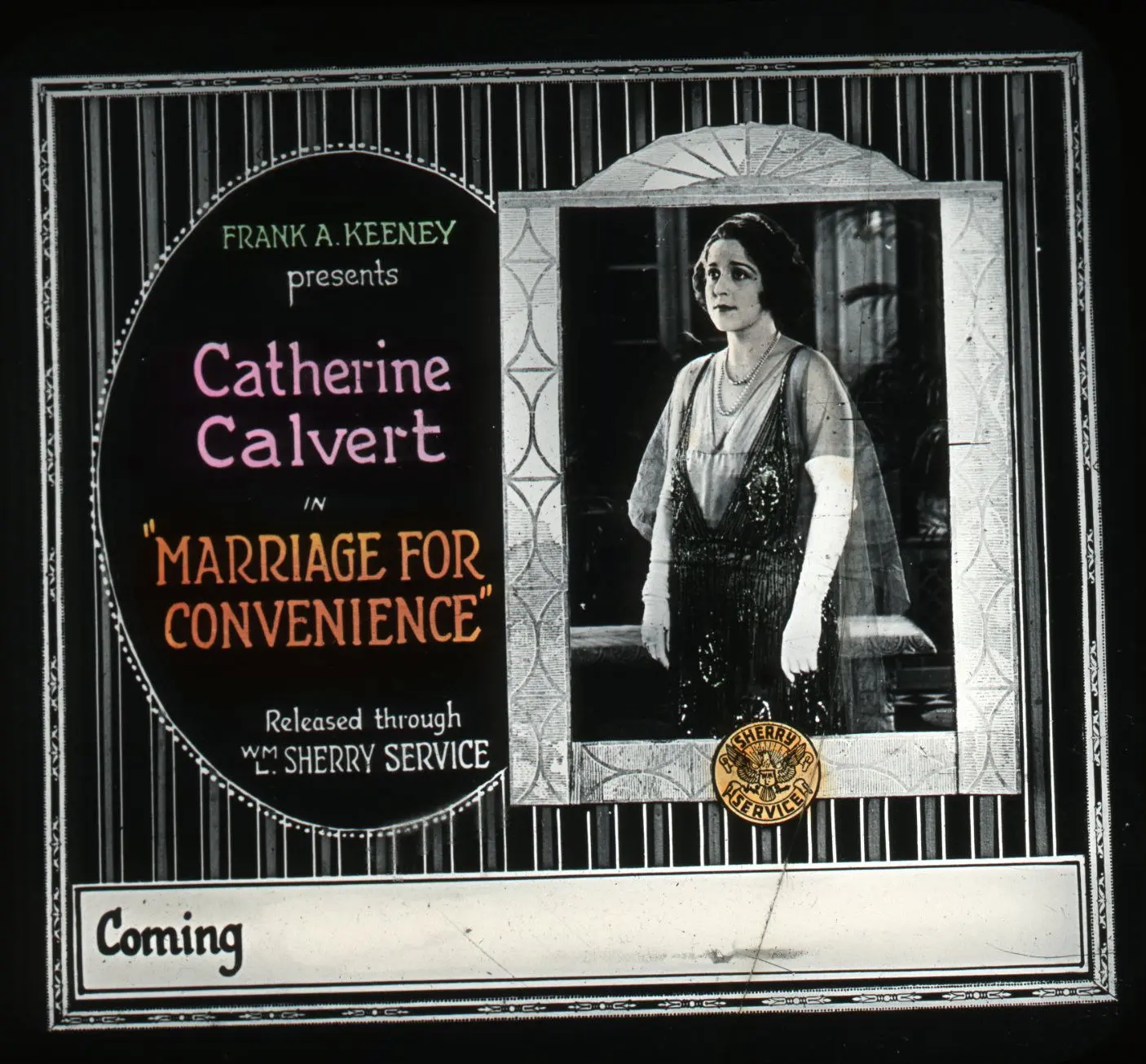
In this work, Sidney Olcott explores the intersection of cult and United States cultural identity. The meticulous attention to detail suggests a deep-seated commitment to pushing the boundaries of the medium, ensuring that Marriage for Convenience remains a relevant topic of study for cult enthusiasts.
| Cinematography | Static |
| Soundtrack | Diegetic |
| Editing | Elliptical |
| Art Direction | Expressionist |
Visualizing the convergence of Sidney Olcott's style and the core cult narrative.
Barbara Rand, the daughter of a poor but proud Southern widow, loses her sight after leaping through the window of a notorious roadhouse to escape an assailant. Her sister, Natalie, reluctantly abandons her fiancé, Ned Gardiner, and marries Oliver Landis, who can provide the money needed for Barbara's operation. Unaware that Oliver was Barbara's attacker, Natalie places the blame on his business partner, Howard Pollard, who was with Barbara on the night she was injured. As Natalie holds Howard at gunpoint, her husband arrives and promises to deal with the supposed villain. A struggle ensues between the two men, and Howard falls from a cliff to his death. After Barbara is released from the hospital, Oliver tries to blind her once again by removing her bandages prematurely. Natalie threatens him with a pistol, but Oliver wrests it away from her. He then realizes that he can no longer hide his guilt from Natalie or the police and shoots himself. Barbara has been avenged, and Natalie is free to marry Ned.
Decades after its release, Marriage for Convenience remains a vital piece of the cinematic puzzle. Its influence can be seen in countless modern works, solidifying Sidney Olcott's status as a master of the craft in United States and beyond.