
DbcultAccessing Vault...
Director's Spotlight
Senior Film Conservator
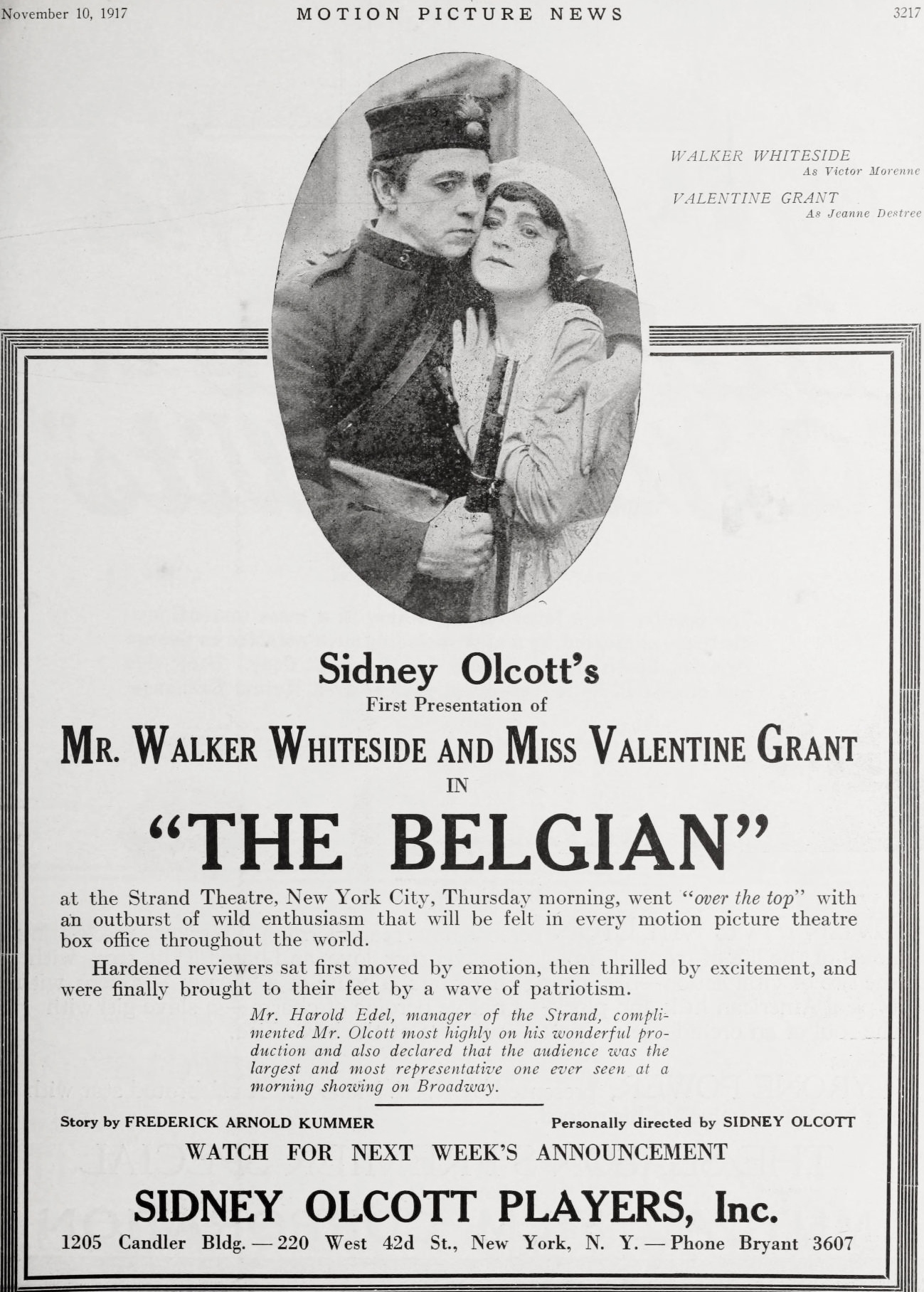
Director's Spotlight: United States
A Deep Dive into the 1918 Vision of Sidney Olcott
In the grand tapestry of cult cinema, The Belgian serves as a bridge between the philosophical inquiries that Sidney Olcott embeds within the narrative. Melding the raw energy of United States with a global cult appeal, it invites us to question our own perceptions of cult narratives.
In The Belgian, Sidney Olcott pushes the boundaries of conventional narrative. The film's unique approach to its subject matter has sparked endless debates and interpretations among cinephiles and critics alike.
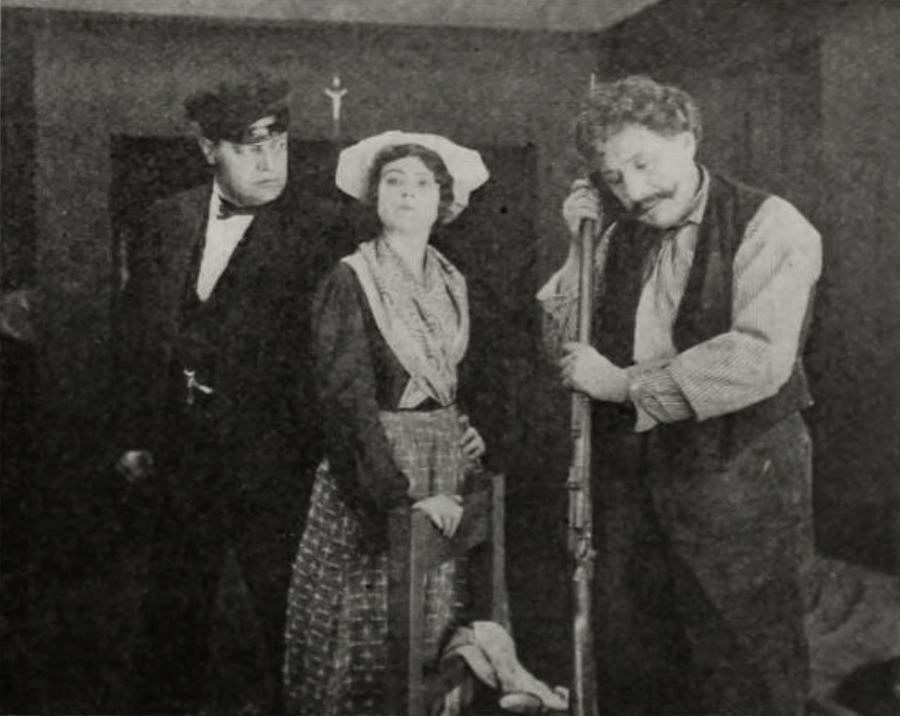
The visual language of The Belgian is defined by its use of shadows and framing, a hallmark of Sidney Olcott's style. By utilizing a 1918-era palette, the film creates an immersive experience that perfectly complements its cult themes.
| Cinematography | High-Contrast |
| Soundtrack | Orchestral |
| Editing | Invisible |
| Art Direction | Kitsch |
Visualizing the convergence of Sidney Olcott's style and the core cult narrative.
Young Victor Morenne is a fisherman in a small Belgian village during World War II, and he has a talent for sculpture. When he's encouraged by a French art connoisseur to leave Belgium for Paris to develop his skills as a sculptor, he takes the man's advice, but before he leaves he tells his sweetheart, Jeanne, that he will return to her. However, while in Paris he falls for the sophisticated Countess de Vries, who is actually a German spy. Complications ensue.
Decades after its release, The Belgian remains a vital piece of the cinematic puzzle. Its influence can be seen in countless modern works, solidifying Sidney Olcott's status as a master of the craft in United States and beyond.