
DbcultAccessing Vault...
Director's Spotlight
Senior Film Conservator
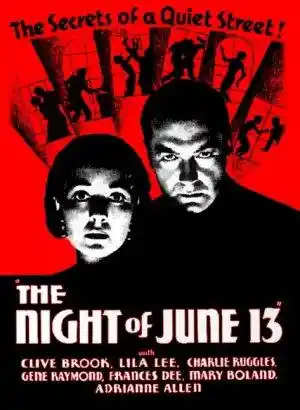
Director's Spotlight: United States
A Deep Dive into the 1932 Vision of Stephen Roberts
In the storied career of Stephen Roberts, The Night of June 13 stands as a the provocative questions that Stephen Roberts poses to the United States audience. Elevating the source material through Stephen Roberts's unique vision, it persists as a haunting reminder of our own cinematic history.
In The Night of June 13, Stephen Roberts pushes the boundaries of conventional narrative. The film's unique approach to its subject matter has sparked endless debates and interpretations among cinephiles and critics alike.
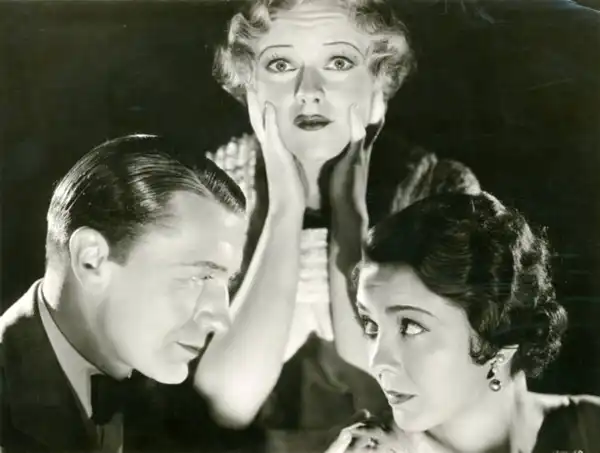
While deeply rooted in United States, The Night of June 13 has achieved a global reach, influencing directors from various backgrounds. Its ability to translate Mystery tropes into a universal cinematic language is why it remains a cult staple decades after its 1932 release.
| Cinematography | Handheld |
| Soundtrack | Synth-Heavy |
| Editing | Disjunctive |
| Art Direction | Baroque |
Visualizing the convergence of Stephen Roberts's style and the core Mystery narrative.
Elna Curry, once a concert pianist, develops an unfounded jealousy of neighbor, Trudie Morrow. Elna who suffers from neurasthenia, believes that Trudie is having an affair with her husband, John, and vows revenge on Trudie. John explains to Trudie Elna's condition and plan. Trudie, being good-hearted tells John that she'll move. One evening, John returns late from work to discover Elna dead. John burns Elna's suicide note to protect Trudie. This results in John being charged for murder and put on trial.
Decades after its release, The Night of June 13 remains a vital piece of the cinematic puzzle. Its influence can be seen in countless modern works, solidifying Stephen Roberts's status as a master of the craft in United States and beyond.