
DbcultAccessing Vault...
Director's Spotlight
Senior Film Conservator
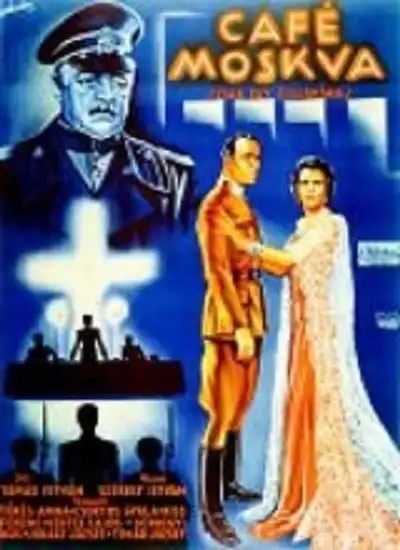
Director's Spotlight: Hungary
A Deep Dive into the 1936 Vision of Steve Sekely
In the grand tapestry of War cinema, Café Moszkva serves as a bridge between the philosophical inquiries that Steve Sekely embeds within the narrative. Melding the raw energy of Hungary with a global War appeal, it invites us to question our own perceptions of War narratives.
In Café Moszkva, Steve Sekely pushes the boundaries of conventional narrative. The film's unique approach to its subject matter has sparked endless debates and interpretations among cinephiles and critics alike.
| Cinematography | High-Contrast |
| Soundtrack | Experimental |
| Editing | Invisible |
| Art Direction | Kitsch |
Visualizing the convergence of Steve Sekely's style and the core War narrative.
In 1915, after the breakthrough in Gorlice, the Russians emptied the city of Kolomea in East Galicia and moved to the hands of Austrian-Hungarian troops. In the city, however, the town commander, Russian general Szuharov, Verjusa and the assistant general of the general, was caught. The vulnerable woman is hiding in a cafe called Café Moscow.
Decades after its release, Café Moszkva remains a vital piece of the cinematic puzzle. Its influence can be seen in countless modern works, solidifying Steve Sekely's status as a master of the craft in Hungary and beyond.