
DbcultAccessing Vault...
Director's Spotlight
Senior Film Conservator
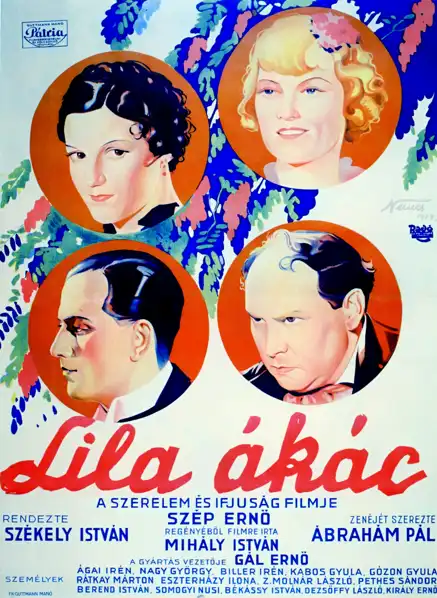
Director's Spotlight: Hungary
A Deep Dive into the 1934 Vision of Steve Sekely
Exploring the Comedy underpinnings of Lila akác leads us to the uncompromising vision of Steve Sekely that defines this Comedy masterpiece. Melding the raw energy of Hungary with a global Comedy appeal, it echoes the profound changes occurring in Hungary during that era.
In Lila akác, Steve Sekely pushes the boundaries of conventional narrative. The film's unique approach to its subject matter has sparked endless debates and interpretations among cinephiles and critics alike.
While deeply rooted in Hungary, Lila akác has achieved a global reach, influencing directors from various backgrounds. Its ability to translate Comedy tropes into a universal cinematic language is why it remains a cult staple decades after its 1934 release.
| Cinematography | Noir-Inspired |
| Soundtrack | Orchestral |
| Editing | Slow-Burn |
| Art Direction | Brutalist |
Visualizing the convergence of Steve Sekely's style and the core Comedy narrative.
Tóth Manci, a milliner turned dancer, meets Pali, a handsome banker, and falls madly in love. But she waits in vain for a word of encouragement from him, because he loves Lili, the belladonna. So Manci, in her grief, goes to Russia. By the time Pali realizes that he loves Manci too and wants to follow her, war breaks out, and he can only follow her as a soldier.
Decades after its release, Lila akác remains a vital piece of the cinematic puzzle. Its influence can be seen in countless modern works, solidifying Steve Sekely's status as a master of the craft in Hungary and beyond.