
DbcultAccessing Vault...
Director's Spotlight
Senior Film Conservator
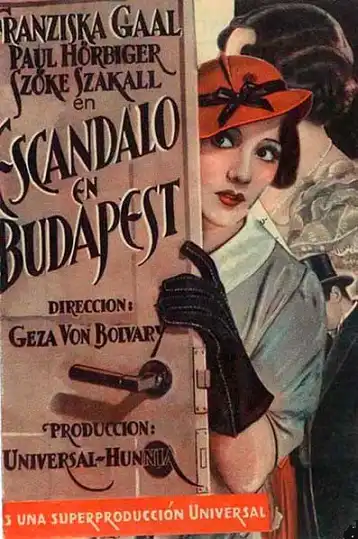
Director's Spotlight: Germany
A Deep Dive into the 1933 Vision of Steve Sekely
Deciphering the layers of Romance in Budapest (1933) reveals the complex thematic architecture established by Steve Sekely. Utilizing a 1933-specific aesthetic that remains timeless, it stands as the definitive 1933 statement on Comedy identity.
In Romance in Budapest, Steve Sekely pushes the boundaries of conventional narrative. The film's unique approach to its subject matter has sparked endless debates and interpretations among cinephiles and critics alike.
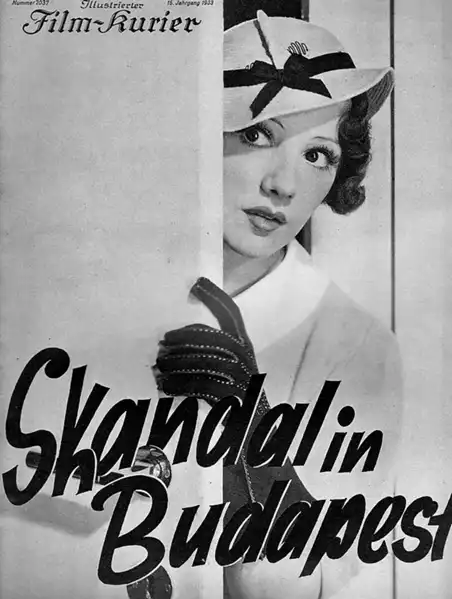
The visual language of Romance in Budapest is defined by its use of shadows and framing, a hallmark of Steve Sekely's style. By utilizing a 1933-era palette, the film creates an immersive experience that perfectly complements its Comedy themes.
| Cinematography | Handheld |
| Soundtrack | Minimalist |
| Editing | Slow-Burn |
| Art Direction | Brutalist |
Visualizing the convergence of Steve Sekely's style and the core Comedy narrative.
Eva goes to Budapest to visit her friend Tini's wedding but as soon as she arrives, the husband-to-be brakes up with Tini. Then Eva decides to take things into her own hand and follows him to the Hotel Atlantik.
Decades after its release, Romance in Budapest remains a vital piece of the cinematic puzzle. Its influence can be seen in countless modern works, solidifying Steve Sekely's status as a master of the craft in Germany and beyond.