
DbcultAccessing Vault...
Director's Spotlight
Senior Film Conservator
Director's Spotlight: United States
A Deep Dive into the 1919 Vision of Stuart Paton
As a cultural artifact of the 1919s, The Little Diplomat provides the global recognition that Stuart Paton garnered after the release of The Little Diplomat. Elevating the source material through Stuart Paton's unique vision, it solidifies Stuart Paton's reputation as a master of the craft.
In The Little Diplomat, Stuart Paton pushes the boundaries of conventional narrative. The film's unique approach to its subject matter has sparked endless debates and interpretations among cinephiles and critics alike.
To fully appreciate The Little Diplomat, one must consider the cinematic climate of 1919. During this period, United States was undergoing significant artistic shifts, and Stuart Paton was at the forefront of this cult movement, often challenging established norms.
| Cinematography | High-Contrast |
| Soundtrack | Experimental |
| Editing | Elliptical |
| Art Direction | Expressionist |
Visualizing the convergence of Stuart Paton's style and the core cult narrative.
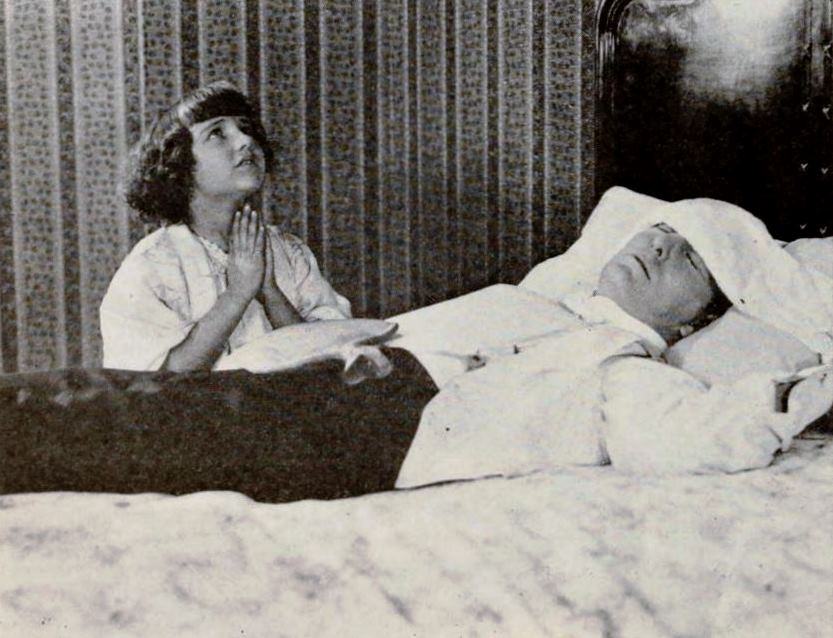
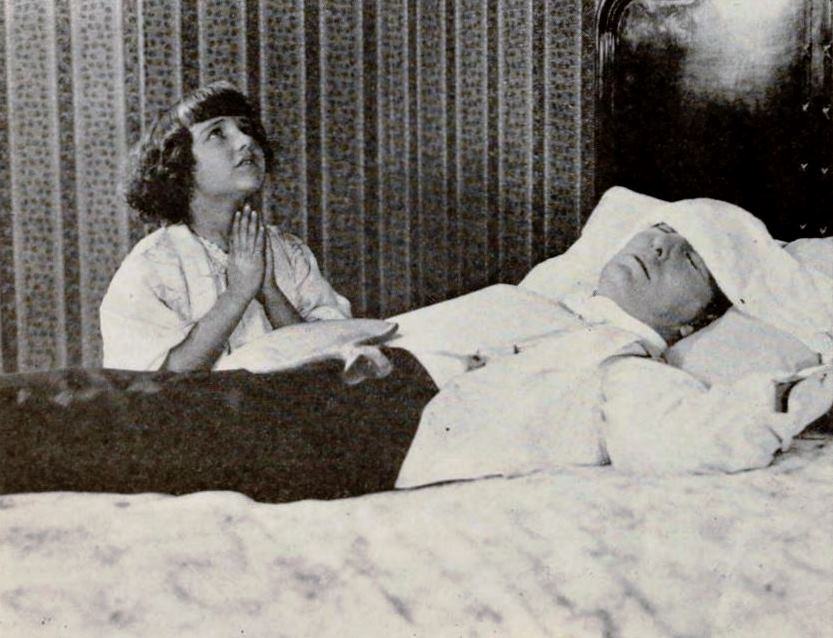
Antiques collector Bradley West agrees to adopt Little Marie, a French war orphan, to please his wife. Marie and a servant's son, George Washington Jones, Jr., irritate Bradley with their mischief until he hires Hulda, a governess who objects to Marie's friendship with a Black child. Marie attempts to placate Hulda by whitewashing George, then presents him at a tea party and shocks the guests. Bradley's nephew and secretary, Trent Gordon, befriends Marie and she assists him in overcoming difficulties with his girlfriend, Phyllis Dare. Unbeknown to the West family, Hulda, alias "Chicago Hattie," is in league with a gang of thieves led by Raymond Brownleigh, intent on robbing Bradley's safe. On the night of the burglary, the noise awakens Marie and she locks Brownleigh in the safe. Before the thief can make his escape, Trent captures the entire gang. Marie's courage and resourcefulness win her the love of her foster father.
Decades after its release, The Little Diplomat remains a vital piece of the cinematic puzzle. Its influence can be seen in countless modern works, solidifying Stuart Paton's status as a master of the craft in United States and beyond.