
DbcultAccessing Vault...
Director's Spotlight
Senior Film Conservator
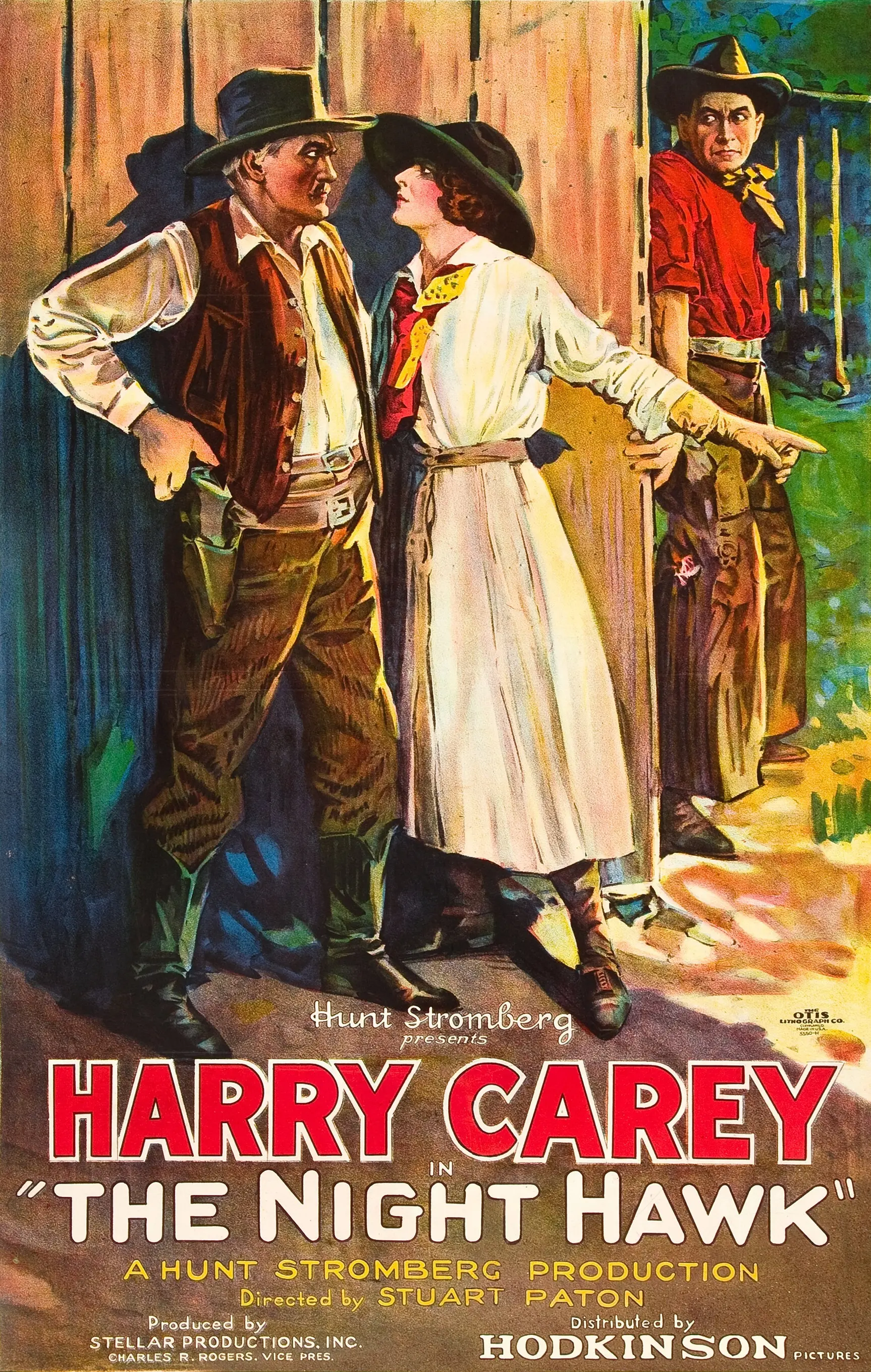
Director's Spotlight: United States
A Deep Dive into the 1924 Vision of Stuart Paton
Deciphering the layers of The Night Hawk (1924) reveals a monumental shift in Drama filmmaking spearheaded by Stuart Paton. With its avant-garde structure and atmospheric tension, offering layers of thematic complexity that demand repeated viewing.
In The Night Hawk, Stuart Paton pushes the boundaries of conventional narrative. The film's unique approach to its subject matter has sparked endless debates and interpretations among cinephiles and critics alike.
To fully appreciate The Night Hawk, one must consider the cinematic climate of 1924. During this period, United States was undergoing significant artistic shifts, and Stuart Paton was at the forefront of this Drama movement, often challenging established norms.
| Cinematography | Handheld |
| Soundtrack | Synth-Heavy |
| Editing | Rhythmic |
| Art Direction | Naturalist |
Visualizing the convergence of Stuart Paton's style and the core Drama narrative.
Pursued for robbery by New York City police, a crook known as "Night Hawk" befriends José Valdez, a Mexican American who has come to town to hire an assassin to kill the sheriff of a western town. Hawk takes the job, and Valdez helps him escape the city. However, when he arrives in the West, he falls in love with the sheriff's daughter, Clia Milton, and is unable to complete his mission. He joins Sheriff Milton's posse when José Valdez's father, a cattle rustler, illegally makes himself sheriff; single-handedly, Night Hawk rescues the girl from José's brigands.
Decades after its release, The Night Hawk remains a vital piece of the cinematic puzzle. Its influence can be seen in countless modern works, solidifying Stuart Paton's status as a master of the craft in United States and beyond.