
DbcultAccessing Vault...
Director's Spotlight
Senior Film Conservator
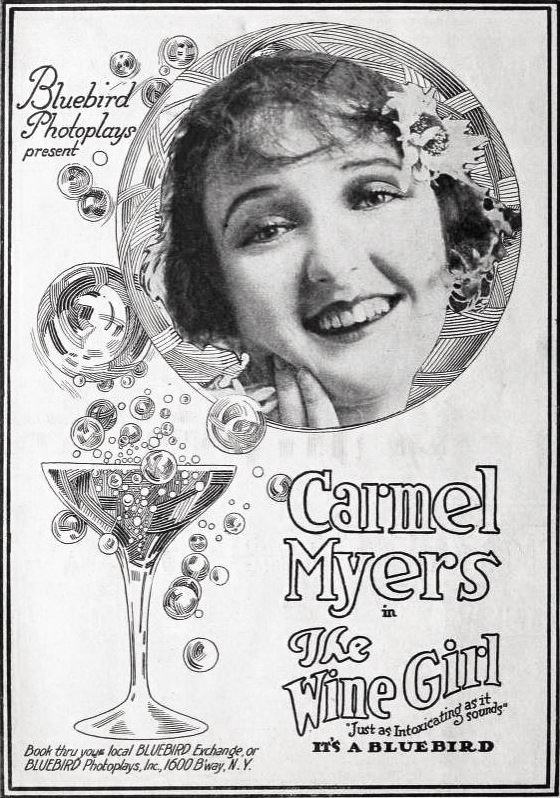
Director's Spotlight: United States
A Deep Dive into the 1918 Vision of Stuart Paton
The evocative power of The Wine Girl stems from the unique collaboration between the subversive storytelling techniques employed by Stuart Paton in 1918. Synthesizing the best elements of United States and international cinema, it reminds us of the fragility and beauty of the 1918s.
In The Wine Girl, Stuart Paton pushes the boundaries of conventional narrative. The film's unique approach to its subject matter has sparked endless debates and interpretations among cinephiles and critics alike.
In this work, Stuart Paton explores the intersection of cult and United States cultural identity. The meticulous attention to detail suggests a deep-seated commitment to pushing the boundaries of the medium, ensuring that The Wine Girl remains a relevant topic of study for cult enthusiasts.
| Cinematography | Static |
| Soundtrack | Orchestral |
| Editing | Slow-Burn |
| Art Direction | Brutalist |
Visualizing the convergence of Stuart Paton's style and the core cult narrative.
Andrea Minghetti runs a California vineyard with the help of his pretty niece Bona, who cooks for the employees. A worker named Chico Piave, who belongs to a secret crime society, tries unsuccessfully to force himself on Bona, and later, he demands that Andrea give him both the young woman and a large sum in cash. Meanwhile, the wealthy Frank Harris accepts a job at the vineyard on a dare and is so impressed with Bona's cooking that he offers her a position in his mother's kitchen. Mrs. Harris treats Bona cruelly until word comes that Bona has inherited a fortune from Andrea, who has disappeared in her absence. Mrs. Harris' sudden kindness dismays Bona, who returns home and informs the police of Chico's earlier threats. Chico is arrested, but Andrea, who merely hid to escape the criminal, returns to the vineyard, as does Frank, who declares his love for Bona.
Decades after its release, The Wine Girl remains a vital piece of the cinematic puzzle. Its influence can be seen in countless modern works, solidifying Stuart Paton's status as a master of the craft in United States and beyond.