
DbcultAccessing Vault...
Director's Spotlight
Senior Film Conservator
Director's Spotlight: Poland
A Deep Dive into the 1932 Vision of Tadeusz Kowalski
Peeling back the layers of Tadeusz Kowalski's There Is a Ball Today exposes the technical innovation that Tadeusz Kowalski introduced to the Short format. Driven by an uncompromising commitment to Short excellence, it stands as the definitive 1932 statement on Short identity.
In There Is a Ball Today, Tadeusz Kowalski pushes the boundaries of conventional narrative. The film's unique approach to its subject matter has sparked endless debates and interpretations among cinephiles and critics alike.
To fully appreciate There Is a Ball Today, one must consider the cinematic climate of 1932. During this period, Poland was undergoing significant artistic shifts, and Tadeusz Kowalski was at the forefront of this Short movement, often challenging established norms.
| Cinematography | High-Contrast |
| Soundtrack | Minimalist |
| Editing | Slow-Burn |
| Art Direction | Brutalist |
Visualizing the convergence of Tadeusz Kowalski's style and the core Short narrative.
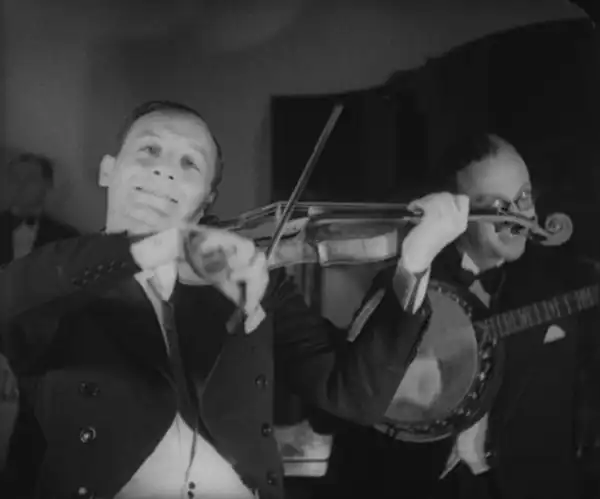
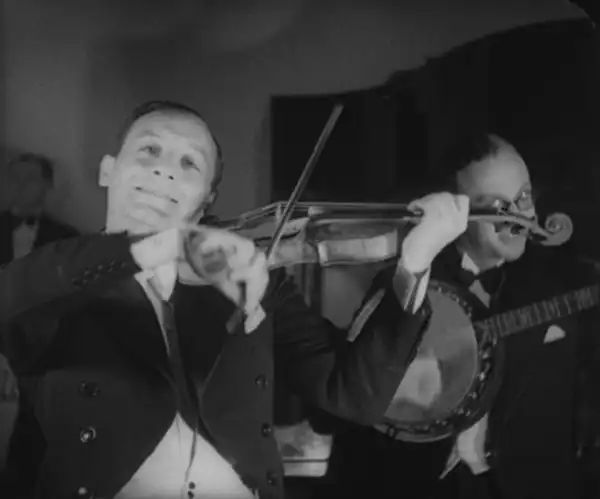
The theme of the film is the annual Young Architecture Ball. As announced in the press at the time: six orchestras were to play on it, the whole was to take place in twenty-three decorated rooms of the building of the Faculty of Architecture building at Koszykowa 55 in Warsaw, and everything was to be followed by a camera. The film impression shows in a literal way preparations for the ball, telephone arrangements with the invited guests, arrival at the ball and madness on the dance floor until dawn. The authors achieved numerous effects due to the use of, among others photographic deformation, assembly tricks and expressive play of lights.
Decades after its release, There Is a Ball Today remains a vital piece of the cinematic puzzle. Its influence can be seen in countless modern works, solidifying Tadeusz Kowalski's status as a master of the craft in Poland and beyond.