
DbcultAccessing Vault...
Director's Spotlight
Senior Film Conservator
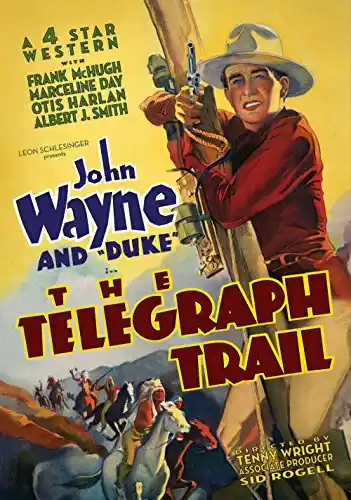
Director's Spotlight: United States
A Deep Dive into the 1933 Vision of Tenny Wright
The brilliance of The Telegraph Trail (1933) is inseparable from the visionary mind of its creator, Tenny Wright. Serving as a mirror to the anxieties of a changing world, it persists as a haunting reminder of our own cinematic history.
In The Telegraph Trail, Tenny Wright pushes the boundaries of conventional narrative. The film's unique approach to its subject matter has sparked endless debates and interpretations among cinephiles and critics alike.
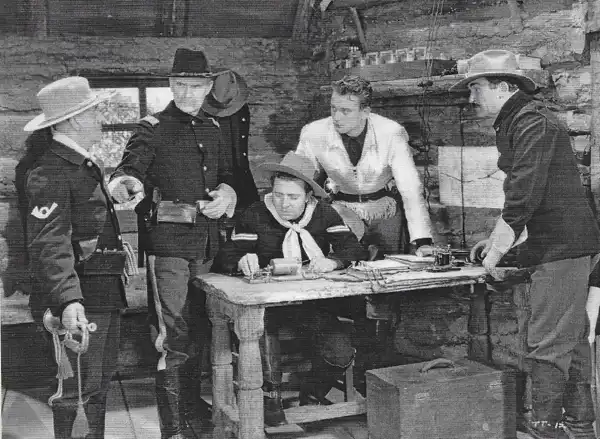
To fully appreciate The Telegraph Trail, one must consider the cinematic climate of 1933. During this period, United States was undergoing significant artistic shifts, and Tenny Wright was at the forefront of this Drama movement, often challenging established norms.
| Cinematography | Handheld |
| Soundtrack | Diegetic |
| Editing | Rhythmic |
| Art Direction | Naturalist |
Visualizing the convergence of Tenny Wright's style and the core Drama narrative.
A greedy businessman-turned-renegade foments an Indian uprising against the coming telegraph to perpetuate his economic stranglehold on the territory.
Decades after its release, The Telegraph Trail remains a vital piece of the cinematic puzzle. Its influence can be seen in countless modern works, solidifying Tenny Wright's status as a master of the craft in United States and beyond.