
Cult Cinema
The Deviant Reel: Unearthing the Primal Transgressions and Rebel Spirit of Cinema’s Forgotten Fringe
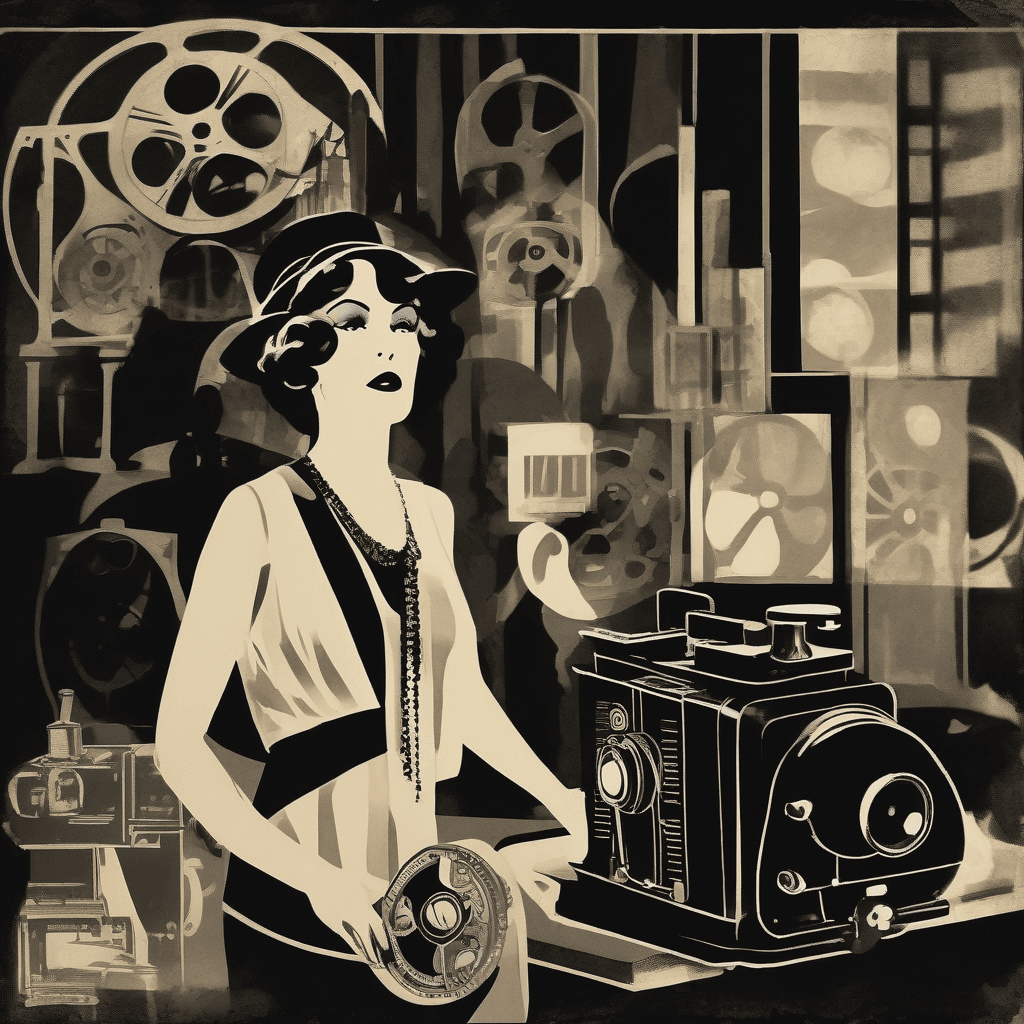
“An exploration of how the silent era's most transgressive and misunderstood films laid the groundwork for modern cult cinema devotion.”
To the casual observer, the history of cinema is a linear progression of technological marvels and mainstream triumphs. But for the midnight devotee, the true heart of film beats in the shadows, in the flickering frames of the misunderstood, the banned, and the bizarre. Long before the term "cult film" was coined in the 1970s, a secret language of subversion was being written in the silent era. This was a time of unfiltered experimentation, where the boundaries of morality, genre, and social norms were tested by a cadre of cinematic outlaws who refused to play by the rules of the burgeoning studio system.
The Genesis of the Cinematic Outcast
Cult cinema is not defined by its budget or its era, but by its relationship with its audience. It is a cinema of the marginalized, for the marginalized. When we look back at the 1910s and early 1920s, we see the blueprint for this obsession. These were films that didn't just entertain; they challenged the status quo. Take, for instance, the 1917 masterpiece The Eternal Sin. A retelling of the Lucretia Borgia legend, it dives deep into a world of hidden identities, murder, and the heavy weight of a scandalous past. It is a narrative of moral ambiguity that would feel right at home in a 1970s grindhouse, proving that the appetite for the transgressive is a primal part of the human psyche.
During this period, the screen was a battleground for social ideas. In 1919, a film simply titled Prostitution dared to present a scholar defending the world's oldest profession before a World Court. This wasn't just a drama; it was a political provocation. By centering a narrative on a subject that polite society refused to acknowledge, the filmmakers created a magnet for those who felt out of step with the era's Victorian hangovers. This is the essence of the cult experience: finding truth in the forbidden.
The Vamp and the Supernatural Allure
The archetype of the "vamp" is perhaps the earliest example of a cult icon. These were women who wielded sexuality as a weapon, disrupting the traditional domestic narratives of early Hollywood. The 1920 film Vampire is a perfect case study. It tells the story of a female motorist who, after being brought to a resort to heal, proceeds to bewitch every man in sight with a total lack of remorse. It is a story of female agency and destructive power that fascinated and terrified audiences in equal measure. This bewitching quality—the ability of a film to cast a spell over its viewers—is what separates a standard blockbuster from a cult classic.
Even the more whimsical side of the silent era had its dark, cultish corners. Teufelchen (1915), or "The Little Devil," features a protagonist who receives a "devilishly effective elixir" from a doctor from hell. This kind of genre-bending surrealism was the precursor to the avant-garde and the midnight movie. It embraced the absurd and the grotesque, creating a visual language that spoke to the oddballs and the dreamers in the back of the theater.
Class Warfare and the Rambunctious Rebel
Cult cinema has always been a home for the rebellious spirit. The characters we celebrate are often those who refuse to fit into the boxes society has built for them. The Antics of Ann (1917) gives us Ann Wharton, a student at a prestigious academy who expresses her frustration by flinging cereal at her classmates. While it may seem like simple comedy, it represents a fundamental rejection of authority. Ann is the proto-punk, a character who values her own chaotic energy over the stifling decorum of the Bredwell Academy.
Similarly, Happiness (1917) subverts the trope of the snobbish socialite. Doris Wingate is featured in magazines as the most snobbish girl in America, but the film reveals this to be a construction of her aunt. The real Doris is lovable and desperate for connection. This theme of misunderstood identity—of the world seeing a monster or a snob where there is actually a human soul—is a recurring motif in cult cinema, from the Universal Monsters to the outsiders of 1990s indie film.
The Global Underground: Beyond the Western Lens
The cult impulse was not limited to the United States. In Russia, Silnyi chelovek (1917) explored the dark side of ambition and the theft of intellectual property. It tells the story of a man who murders his friend to steal his manuscript, a narrative of treachery and psychological torment that predates the noir movement by decades. It is a bleak, uncompromising look at the human condition that would have appealed to the same audiences that later championed the works of Tarkovsky or Zulawski.
Meanwhile, the Kino-pravda series (1922) by Dziga Vertov and his collaborators was reinventing the very concept of the documentary. By capturing the raw, unvarnished reality of Russian life, they created a "film-truth" that was inherently subversive. These newsreels weren't just reports; they were cinematic manifestos. They proved that the camera could be a tool for revolution, a sentiment that would later echo through the political cult films of the 1960s.
Taboos, Thrills, and the Matrimonial Newspaper
The early 20th century was a time of rapid social change, and the fringe cinema of the day captured the anxiety of that transition. The Girl with the Jazz Heart (1920) is a fascinating look at the clash between religious tradition and the lure of the modern city. When Miriam Smith is pressured into a loveless marriage with a pious man, she uses a matrimonial newspaper to escape to New York. This was transgressive storytelling for its time, suggesting that a woman's happiness was worth more than her family's approval or religious expectations.
Thriller and adventure films also pushed the envelope. Number 17 (1920) took audiences into the perceived underworld of New York's Chinatown, using a writer's undercover investigation as a vehicle for exploring urban paranoia. These films tapped into a collective fear and fascination with the "other," creating a template for the sensationalist cinema that would eventually evolve into the exploitation films of the 1960s and 70s. They were the "forbidden fruit" of the silent screen, offering glimpses into worlds that the average viewer would never otherwise see.
The Architecture of Obsession
Why do these films still matter? Because they represent the DNA of our modern obsession with the strange. Every time we attend a midnight screening of a forgotten horror film or obsess over a direct-to-video oddity, we are following in the footsteps of the audiences who sought out The Love Call (1919) or Gay and Devilish (1922). These films were the first to prove that cinema didn't have to be for everyone to be meaningful. In fact, for the cult devotee, the fact that a film is *not* for everyone is exactly what makes it special.
The visual anarchy of the early fringe—the way a film like Cheating the Piper (1920) uses a flute to lure mice in a surreal comedy, or how The Immortal Flame (1916) portrays a woman leaving a political boss for her own happiness—created a space where the rules of reality were suspended. This is the sacred space of cult cinema. It is a place where the weird is celebrated, the outcast is the hero, and the flicker of the screen is a call to arms for the dreamers who live on the edges of society.
Conclusion: The Eternal Flame of the Fringe
As we look back through the lens of history, we see that the cult cinema soul was forged in the heat of the silent era's most daring experiments. From the moral defiance of The Upstart (1910) to the gritty realism of the Texas Rangers in The Lone Star Ranger (1919), these films were the first to understand that the screen is a mirror, and sometimes that mirror needs to show us the things we are most afraid to see. They taught us that there is beauty in the broken, truth in the transgressive, and a community to be found in the shadows of the midnight screen.
The legacy of these forgotten rebels lives on in every filmmaker who chooses the path less traveled and every viewer who seeks out the obscure. The silent era may be over, but its spirit of genre defiance and moral exploration remains the ultimate blueprint for the cult mind. We are the heirs to this deviant reel, and as long as there are stories that challenge, provoke, and bewitch, the flame of the cinematic fringe will never be extinguished. We continue to watch, we continue to obsess, and we continue to find ourselves in the flickering anomalies of the past.
Community
Comments
Log in to comment.
Loading comments…