Summary
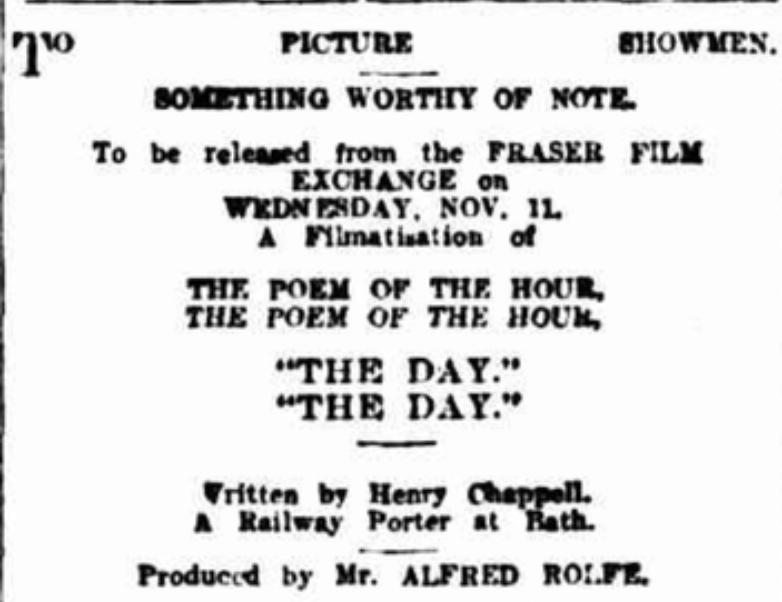
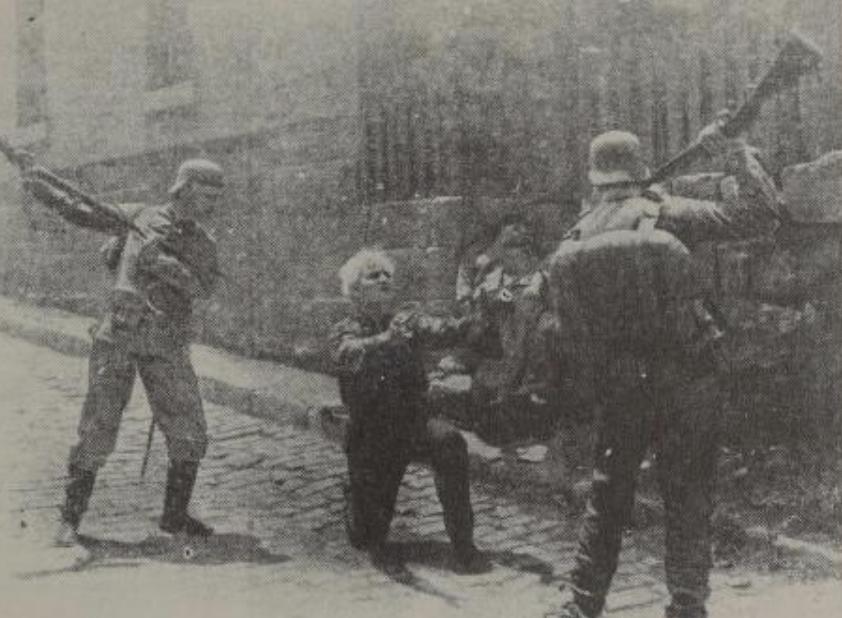
A lone bugler’s call fractures the pre-dawn hush of a nameless colonial outpost; from that first brazen note, Alfred Rolfe’s The Day becomes a fever-chart of empire’s twilight. Soldiers stagger out of candle-lit barracks like sleep-walkers tugged by invisible wires, their crimson coats already blackened by the moral mildew of occupation. Through a lattice of mosquito-netting, we glimpse the town: a grid of whitewashed porticos blistering under a copper sun, market-stalls groaning under the weight of mangoes and guilt, mission bells tolling a half-remembered cadence of salvation. Into this crucible steps Captain Rowan—Rolfe himself, eyes glass-bright with the knowledge that orders are merely polite euphemisms for murder—bearing sealed instructions that will ignite a chain-reaction of betrayals. A priest pockets bullets instead of hosts; a schoolmistress chalks the Lord’s Prayer on a blackboard already riddled by stray Mauser rounds; a child sketches the horizon, unaware that the line he draws is the exact trajectory of an incoming shell. Writers Johnson Weir and Henry Chappell stitch every scene with barbed lyricism: dialogue snaps like wet canvas, intertitles bloom like bruises, and the celluloid itself seems salted with sweat and gunpowder. By the time the sun reaches zenith, the garrison’s band has traded waltzes for funeral dirges, the river carries corpses instead of cargo, and the Union Jack, struck by lightning, flutters down like a blood-soaked heron. The Day does not chronicle a battle; it dissects the moment when history’s heartbeat skips—when conscience becomes a contraband commodity, traded in whispers behind the commissariat.
Review Excerpt
"
Celluloid ghosts seldom howl this loud. When the opening iris-in reveals a dirt road dissolving into heat-warped air, you already smell the cordite that hasn’t yet been lit; that’s how far ahead The Day lives in your head. Alfred Rolfe, doubling as director and star, orchestrates a ballet of imperial entropy: every dolly-in feels like a trespass, every cut like a slammed gate. The film’s eleven reels—long considered lost until a nitrate bouquet surfaced in a Hobbesian shed outside Canberra—pul..."