
Cult Cinema
The Cinematic Alchemist’s Crucible: Mapping the Primitive Subversions and Forgotten Misfits of the Silent Underground
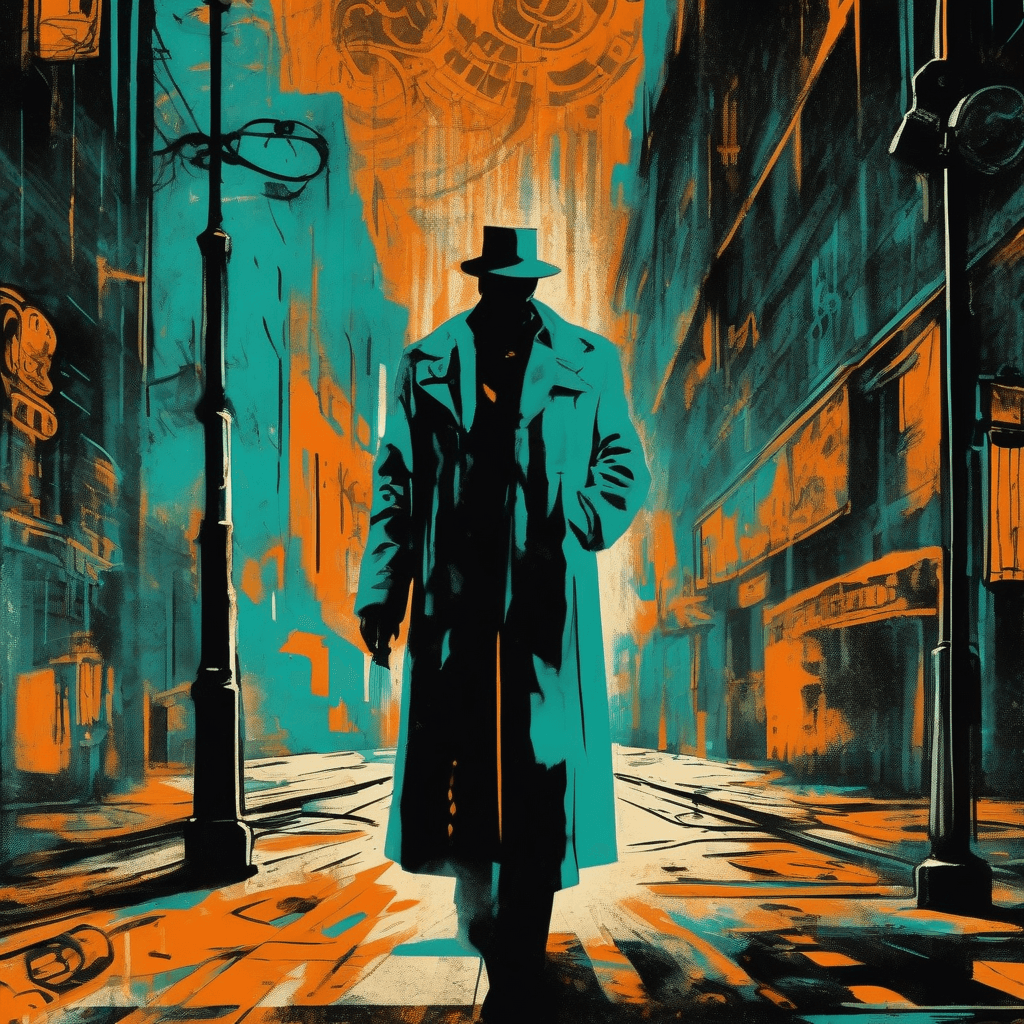
“A deep dive into the primal roots of cult cinema, exploring how the silent era's moral deviants, genre-bending outcasts, and transgressive narratives forged the modern midnight movie soul.”
The term cult cinema is often treated as a modern invention—a byproduct of the 1970s midnight movie circuit or the VHS-fueled obsession of the 1980s. However, the genetic blueprint of the transgressive, the weird, and the defiantly niche was actually forged in the flickering shadows of the silent era. Long before the term 'cult' was codified, the fringes of the 1910s and 20s were populated by cinematic alchemists who dared to explore the darker, more eccentric corners of the human condition. These were films that refused to fit into the burgeoning Hollywood machine, opting instead for narratives of moral deviance, psychological fracturing, and social anarchy.
The Fugitive Soul: Outlaws and Reformed Crooks
At the heart of early cult obsession lies the figure of the outcast. Consider the narrative architecture of The Convict Hero. Set against the desolate backdrop of Hempstead Heath, it explores the life of Sir Richard Devine and his entanglement with the mysterious Crofton. This isn't just a tale of mistaken identity; it is a primal exploration of the fugitive spirit—a theme that would eventually define the 'midnight' protagonist. Similarly, Until They Get Me presents us with Kirby, a man who kills in self-defense and becomes a perpetual fugitive. These early works tapped into a specific kind of audience empathy: the desire to see the law-breaker as a sympathetic vessel for societal frustration.
This 'outlaw' energy is further refined in Blackie's Redemption, where the shrewd crook Boston Blackie attempts to go straight, only to be pulled back into the abyss by a frame-up. The tension between the desire for reform and the gravity of a criminal past creates a noir-inflected melancholy that predates the genre's formal arrival. These films weren't just entertainment; they were mirrors for the disenfranchised, the first reels to capture the feeling of being hunted by an unforgiving system.
The Psychology of the Fringe: Brain Injuries and Hypnotic Trances
Cult cinema has always been obsessed with the fragility of the mind, and the silent era was surprisingly sophisticated in its depiction of psychological trauma. The Curious Conduct of Judge Legarde serves as a terrifying precursor to the 'Dr. Jekyll and Mr. Hyde' archetypes that would later dominate cult horror. When a senior judge suffers a horse-kick to the skull, his personality fractures, leading to a dual existence that challenges the very foundations of justice. This fascination with the unreliable narrator and the fractured self is a cornerstone of the cult experience.
We see a similar descent into the uncanny with One Hour Before Dawn, a mystery centered on hypnotic suggestion. George Clayton is commanded to kill, and the film plays masterfully with the ambiguity of his guilt. Is he a murderer, or merely a puppet? This theme of loss of agency—of the mind being hijacked by external forces—echoes through the history of underground film, from the surrealist experiments of the 1920s to the mind-control tropes of modern sci-fi cults.
The Weird and the Supernatural
Beyond the mind, the silent underground frequently dipped its toes into the overtly bizarre. Even As You and I takes this to its logical extreme, featuring a sculptor named Carillo whose life is overturned by the Devil and his 'imps.' This surrealist morality play utilizes visual metaphors that feel strikingly modern, bridging the gap between traditional folk tales and the avant-garde. It is in these moments—where the literal world gives way to the symbolic—that the cult soul is most visible.
Social Anarchy: The Politics of the Outcast
The silent era was a time of immense social upheaval, and the 'misfit' films of the period often acted as radical political statements. The Volcano, featuring a schoolteacher in New York's Lower East Side who meets a Bolshevist, is a prime example of the era's willingness to engage with 'dangerous' ideologies. It doesn't shy away from the reality of undernourished children and systemic poverty, positioning itself as a defiant voice against the status quo. This is the root of the subversive screen—cinema that exists to challenge the viewer's comfort.
In The Embarrassment of Riches, we see a sweatshop worker transformed into an heiress, only to find the high-society life hollow and shallow. This rejection of traditional success is a recurring motif in cult cinema; the protagonist often finds more truth in the 'sweatshop' or the 'gutter' than in the mansion. Similarly, Pasquale offers a gritty, empathetic look at the Italian immigrant experience in New York, grounding its narrative in the struggles of a small grocery store owner. These films were 'indies' before the term existed, focusing on the specificities of marginalized lives rather than the broad strokes of mainstream melodrama.
Genre Mutations: Where Westerns Meet the Weird
Cult cinema thrives on the 'glitch'—the moment where a standard genre film deviates into something unrecognizable. The silent era was rife with these mutations. The Fighting Stranger might look like a Western on the surface, but its plot involving stolen papers for a mysterious 'person higher up' and a protagonist known as 'Australia Joe' infuses the genre with a sense of international intrigue and conspiracy that feels entirely unique. It’s a hybrid beast, much like the genre-bending cult hits of today.
The serial format also allowed for wild experimentation. The Secret of the Submarine, with its plot about a scientist perfecting an apparatus for indefinite underwater survival, is a proto-steampunk masterpiece. It combines industrial anxiety with a sense of wonder, creating a visual language that would later be adopted by the science fiction underground. These films were the 'pulp' of their day, but their commitment to high-concept, often absurd premises is exactly what makes them so enduringly fascinating to the cult historian.
The Isolation of the Fringe
Perhaps no film captures the isolation of the cult experience better than Where Bonds Are Loosed. Set on two isolated islands off the Australian coast—hospitals for 'natives' run by an incompetent staff—it depicts a total breakdown of social order. It is a proto-survivalist horror story, where the environment is as much an antagonist as the human characters. This 'island' mentality—the feeling of being trapped in a space where the old rules no longer apply—is a foundational element of the midnight movie mindset.
Nationalism and Taboo: The Global Underground
The silent era's fringe wasn't limited to the United States. In Europe, films like Alsace explored the explosive tensions of nationalist sentiment through the lens of a 'forbidden' marriage between a Frenchman and a German. This willingness to tackle taboo subjects—the 'un-filmable' conflicts of the heart and the state—is what gave early cinema its bite. Gengældelsens ret (The Right of Retaliation) from Denmark further explores these dark themes, focusing on forbidden love and the harsh consequences of social transgression.
Even the 'social dramas' of the time, such as The Woman Suffers, pushed the boundaries of what was acceptable on screen. By depicting the seduction and subsequent fallout of a young woman's life with such raw honesty, these films paved the way for the 'exploitation' cinema of the mid-20th century. They were the first to understand that there is a deep, primal audience for stories that the mainstream would rather ignore.
Conclusion: The Eternal Return of the Misfit
As we look back at these fifty-odd relics of the silent age—from the racetrack touts of Checkers to the 'dog doctors' and 'convict heroes'—we see more than just old movies. We see the birth of a rebel spirit. These films, often dismissed as 'small town stuff' or 'puppy days' ephemera, were actually the building blocks of a cultural movement that celebrates the anomalous, the transgressive, and the misunderstood.
The midnight soul is not a product of the 21st century; it is an ancient frequency, a flickering light that has been burning since the first hand-cranked cameras captured the image of a man running from the law or a woman defying her social station. To understand cult cinema is to understand these silent pioneers—the original alchemists who turned nitrate and shadow into a lasting legacy of cinematic rebellion. They taught us that the most interesting stories are often found where the bonds are loosed, where the vortex begins, and where the fringe finally takes center stage.
Community
Comments
Log in to comment.
Loading comments…