
Cult Cinema
The Midnight Canvas: Cult Cinema's Enduring Rebellion and Sacred Obsessions
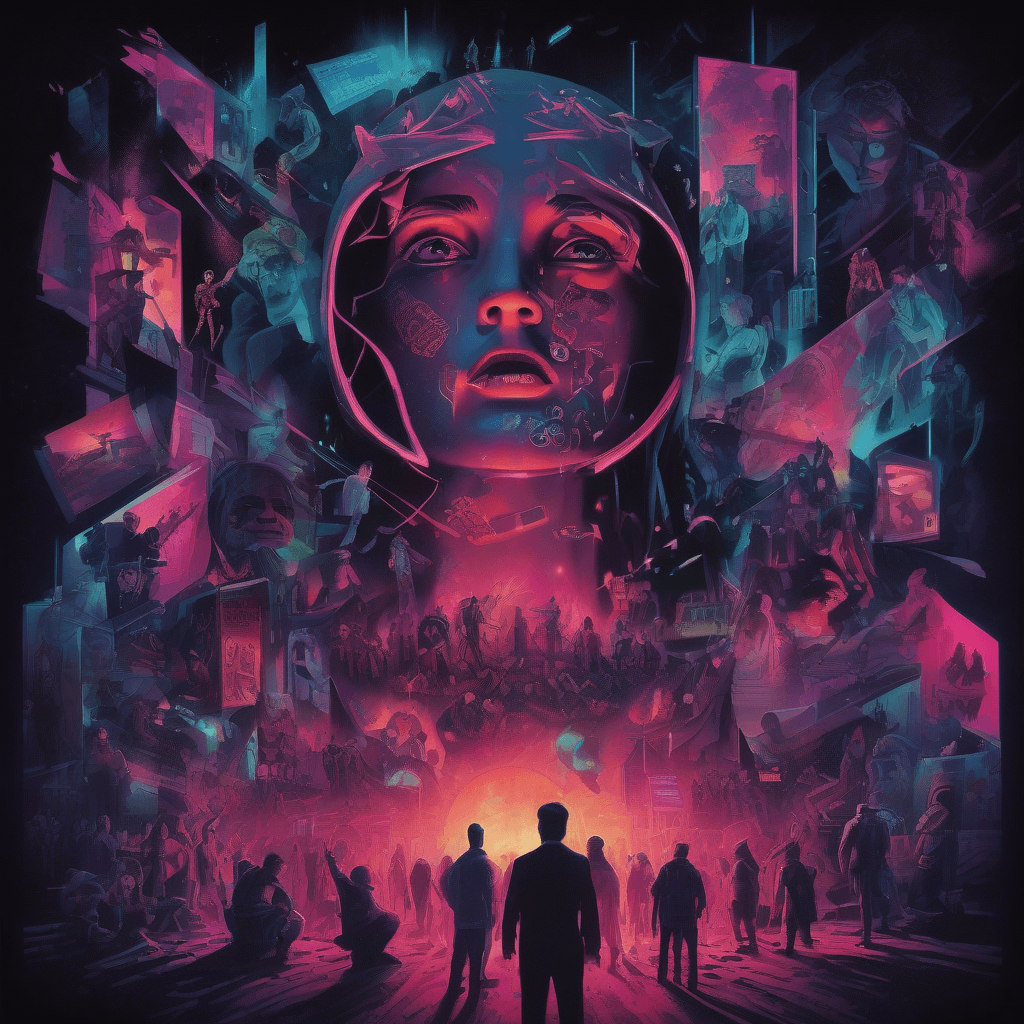
“Dive deep into the enigmatic world of cult cinema, exploring its defiant origins, transgressive narratives, and the passionate communities it fosters, transcending mainstream appeal to forge an indelible mark on film history.”
In the vast, ever-expanding universe of film, there exists a unique constellation known as cult cinema. These are not merely movies; they are experiences, rituals, and often, declarations of identity for their devoted followers. Far from the polished, algorithm-driven blockbusters, cult films defy easy categorization, thriving in the fringes and capturing the hearts of audiences who seek something profoundly different, something that speaks to a deeper, often subversive, truth. This isn't about box office numbers or critical acclaim; it's about an enduring magnetism, a conversation that begins in the dark of a theater and echoes through generations, forging communities bound by shared, often unconventional, adoration.
The Genesis of the Unconventional: Early Seeds of Cinematic Rebellion
The very notion of cult films might seem like a modern phenomenon, tied to midnight screenings and niche video stores, yet its roots stretch back to the nascent days of cinema. From the earliest flickering reels, filmmakers experimented with narratives, pushed boundaries, and sometimes, inadvertently created works that resonated with a select few, even if misunderstood by the masses. Consider the early silent era, a wild west of storytelling where conventions were still being written. Films, some now lost to time, explored themes of social injustice, forbidden love, and the darker aspects of human nature. While many early films aimed for broad appeal, others, by their sheer audacity or distinctive vision, started to cultivate a particular kind of niche devotion.
Even seemingly straightforward dramas or adventure tales of the early 20th century could carry an undercurrent of the unusual. The quest for a better life, as seen in films like The Italian, or the exploration of moral dilemmas, as hinted at in The Diamond Necklace or Honor's Altar, presented human struggles with an intensity that could, for some, transcend mere entertainment. These were not yet 'cult' films in the modern sense, but they laid the proto-DNA for what was to come: a cinema that dared to explore life's complexities without compromise, attracting those who craved more than simple escapism. The spirit of the 'chechako' – the newcomer or outsider – echoed in narratives that explored frontiers, both geographical and psychological, inviting audiences to step beyond the familiar.
Breaking the Mold: Transgression, Taboo, and the Maverick Vision
What truly defines a cult film is its willingness to deviate, to challenge, to even offend. These are often the films that critics initially dismiss, that distributors struggle to market, or that audiences simply aren't ready for. They are the cinematic outsiders, the rule-breakers, the provocateurs. Think of the visceral body horror of David Cronenberg's early work, the surreal dreamscapes of David Lynch, or the anarchic energy of John Waters. These directors, among countless others, eschewed mainstream sensibilities to craft singular, often disturbing, visions.
The transgressive nature of cult cinema often manifests in its narrative choices. Stories that explore forbidden desires, societal taboos, or psychological disintegration resonate deeply with audiences who feel similarly alienated or misunderstood. Films like Pink Flamingos, with its outrageous celebration of depravity, or Eraserhead, a descent into industrial-gothic anxiety, didn't just push boundaries; they obliterated them. They didn't seek acceptance; they demanded a reaction. This defiance creates a powerful bond with viewers who find validation in a film that dares to be as strange or as dark as their own inner worlds. Even in earlier, less explicit forms, the idea of a 'dark star' or a 'demon' in a title suggested narratives that grappled with challenging, often morally ambiguous, themes, hinting at a fascination with the shadowy corners of existence.
The Ritual of Repetition: Midnight Screenings and Audience Participation
One of the most defining characteristics of cult film fandom is the ritual of repeated viewing. These aren't films you watch once and forget; they demand re-engagement, deeper analysis, and often, active participation. The phenomenon of the midnight movie, popularized in the 1970s, transformed cinema from a passive experience into an interactive one. Films like The Rocky Horror Picture Show became theatrical events, with audiences dressing up, shouting lines, and performing alongside the screen. This wasn't just watching a movie; it was belonging to a secret society.
This communal aspect is vital. Cult films foster a sense of shared discovery and belonging. When you find someone else who understands the intricate lore of Blade Runner, can quote every line from The Big Lebowski, or appreciates the existential dread of Donnie Darko, you've found a kindred spirit. This shared passion transcends mere appreciation; it becomes a form of cultural literacy, a secret handshake among those who walk the cinematic underground. Even the simple narratives of early films, like a 'trip to paradise' or the dramatic stakes of 'whose wife?', invited audiences to invest emotionally, albeit in a more subdued, less interactive manner, creating a foundational connection that would evolve into today's fervent fandoms.
Aesthetic Anomalies and Narrative Subversion: The Art of the Unconventional
Beyond explicit transgression, cult films often stand out due to their distinctive aesthetic anomalies or unconventional narrative structures. They might employ jarring editing, non-linear storytelling, surreal imagery, or a pervasive atmosphere that sets them apart. Think of the stark, black-and-white industrial landscape of Eraserhead, the dazzling, kaleidoscopic visuals of 2001: A Space Odyssey (which, despite its mainstream success, developed a profound cult following), or the gritty, dreamlike realism of Taxi Driver. These films don't just tell stories; they create entire worlds, often disorienting and challenging, but utterly captivating.
This rejection of formula is a core tenet. While mainstream cinema often adheres to established genre tropes and predictable plot points, cult films revel in their unpredictability. They might blend genres in unexpected ways, subvert audience expectations, or simply present a reality that feels fundamentally skewed. Even early attempts at genre-bending, such as the thriller-fantasy-mystery blend of The Guyra Ghost Mystery, or the dramatic explorations of social structures in Peterburgskiye trushchobi, showcased an early appetite for narratives that transcended simple categories. This willingness to experiment, to be an 'anomaly', is what allows these films to linger in the collective consciousness, inviting endless interpretation and discussion.
From Obscurity to Icon: The Enduring Legacy of Cult Cinema
The journey of a film from obscurity to cult icon is often circuitous. Many cult classics were initially commercial failures, misunderstood by critics, or simply overlooked upon their initial release. It is through word-of-mouth, rediscovery by new generations, and the tireless efforts of dedicated fans that these films find their true audience and solidify their legendary status. This delayed appreciation highlights a crucial aspect of cult cinema's power: its ability to transcend the ephemeral nature of popular trends and achieve a timeless relevance.
Consider films like Blade Runner, which was not a box office hit but grew into one of the most influential science fiction films of all time, spawning multiple cuts and endless academic discourse. Or Fight Club, initially divisive, now a touchstone for a generation grappling with consumerism and identity. These films, once on the fringes, now occupy central positions in cinematic history, their influence palpable across subsequent generations of filmmakers and artists. They demonstrate that true artistic merit and lasting cultural impact are not always immediately recognized, but often simmer and ferment over time, finding their moment when the world is finally ready to listen.
The Human Connection: Why We Crave the Fringe
At its heart, the appeal of cult cinema is deeply human. It speaks to our desire for authenticity, our fascination with the taboo, and our need to belong. In a world increasingly homogenized by mainstream media, these films offer an alternative, a refuge for those who feel out of step with conventional tastes. They celebrate the weird, the unconventional, and the unapologetically unique, providing a mirror for our own quirks and eccentricities. Films that explored the lives of 'proletardrengen' (the proletarian boy) or depicted the struggles of immigrants in The Italian, even in their early forms, hinted at a desire to see diverse, often marginalized, experiences on screen, laying groundwork for later, more explicit explorations of identity.
From the psychological depths of A Clockwork Orange to the satirical bite of Brazil, cult films invite us to question, to analyze, and to feel. They provoke thought, spark debate, and often leave an indelible mark on our psyche. They are films that challenge our perceptions of reality, morality, and art itself. This enduring allure lies in their ability to speak to a deeper, more personal level, forging a bond that goes beyond mere entertainment. They become part of our identity, our personal mythology.
The Future of Fandom: Cult Cinema in the Digital Age
In the age of streaming and digital distribution, the landscape of cult film discovery has evolved dramatically. While the romanticism of dusty video store shelves and late-night repertory screenings might be fading, the accessibility of a vast cinematic archive means that new generations can unearth forgotten gems and connect with niche communities online. Platforms like Shudder, Mubi, and even vast YouTube archives allow for films that might have once been impossible to find to gain new life and attract fresh devotees. This democratization of access ensures that the spirit of cult cinema – its defiance, its weirdness, its profound connection with specific audiences – continues to thrive.
The online sphere provides new avenues for discussion, analysis, and the continuation of fandom rituals. From Reddit threads dissecting every frame of Primer to Twitter debates about the true meaning of Under the Skin, the conversation around cult films is more vibrant and global than ever before. This digital ecosystem reinforces the idea that cult cinema is not just a collection of films, but a living, breathing cultural phenomenon, constantly evolving and expanding its reach. It's a testament to the idea that art, when truly unique and provocative, will always find its audience, no matter how long it takes or how unconventional the path.
Conclusion: The Unseen Power of the Unconventional
Ultimately, cult cinema represents the rebellious heart of filmmaking. It's a testament to the power of artistic vision to transcend commercial pressures and critical consensus, finding its true value in the unwavering devotion of its audience. These films remind us that cinema is not just an industry but an art form capable of profound self-expression, social commentary, and deeply personal connection. They are the stories that refuse to be forgotten, the images that burn themselves into our minds, and the communities that celebrate the unconventional.
From the earliest cinematic experiments that dared to show a 'bird of prey' or delve into 'the valley of the giants' with a sense of awe and danger, to the boundary-pushing narratives of today, cult films challenge us to look beyond the obvious, to embrace the strange, and to find beauty in the unconventional. They are a constant reminder that the most impactful art often comes from the fringes, whispered from the shadows, and ultimately, celebrated in the midnight canvas of our collective cinematic soul. Their legacy is not just in the films themselves, but in the enduring spirit of rebellion and the vibrant, passionate communities they continue to inspire.
Community
Comments
Log in to comment.
Loading comments…