
Cult Cinema
The Velvet Mutiny: Decoding the Primal Transgressions and Narrative Anarchy of the Early Century’s Forgotten Fringe
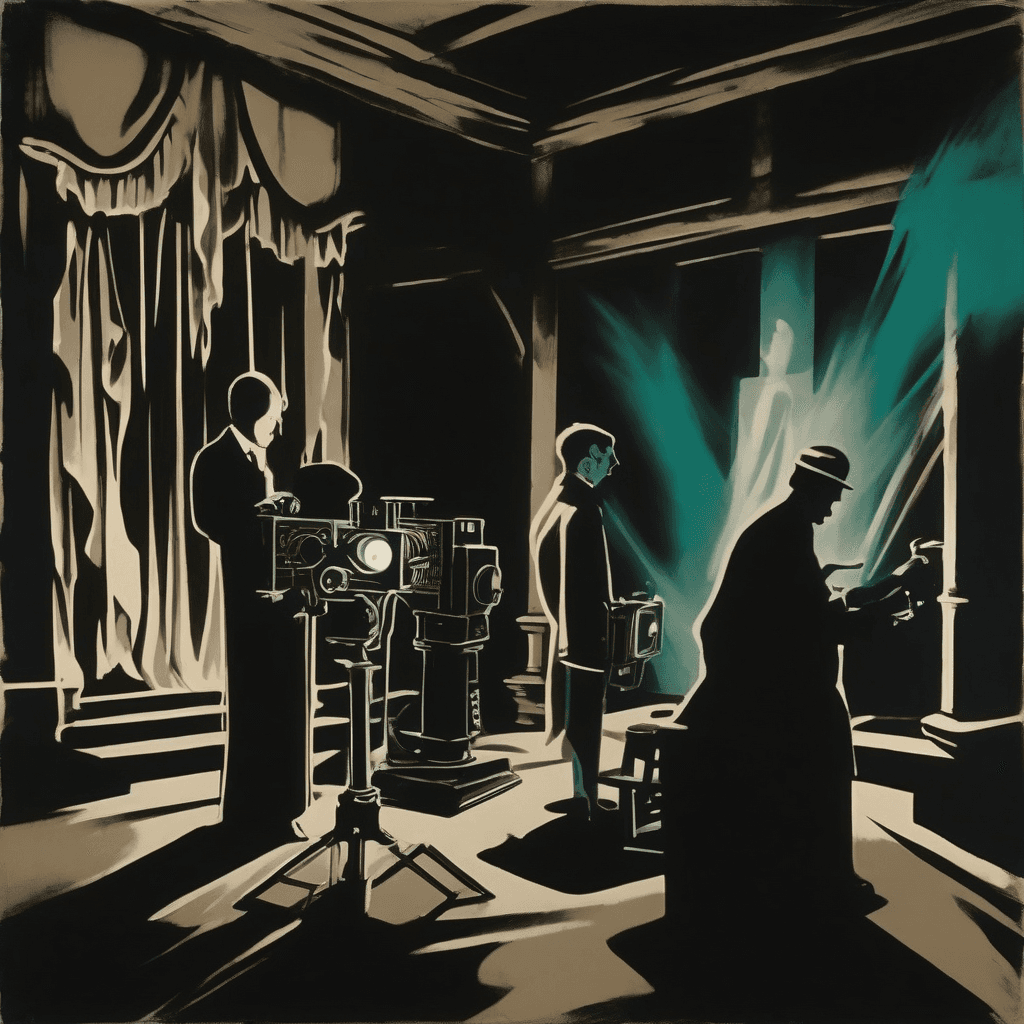
“An in-depth exploration of how the silent era's most transgressive and unconventional films laid the foundational DNA for modern cult cinema and midnight movie fervor.”
The history of cult cinema is often erroneously dated to the midnight movie craze of the 1970s, but the true genesis of the transgressive, the weird, and the fringe lies much deeper in the nitrate soil of the early 20th century. Before the term 'cult' was a marketing label, it was a visceral reaction to films that dared to operate outside the moral and narrative boundaries of the burgeoning Hollywood machine. This Velvet Mutiny—a quiet but persistent rebellion of the celluloid frame—began with silent-era outliers that explored topics of social hygiene, religious hypocrisy, and the darker recesses of the human psyche.
The Proto-Exploitation Roots: Social Hygiene and Moral Panic
One of the most significant pillars of what we now recognize as cult cinema is the exploitation film. Long before the grindhouse era, films like Traffic in Souls (1913) and The Scarlet Trail (1918) utilized the guise of 'educational' or 'reformist' cinema to present taboo subject matter to a hungry audience. Traffic in Souls, which dealt with the kidnapping of young women into prostitution rings, was a massive hit that proved audiences were fascinated by the underbelly of urban life. Similarly, The Scarlet Trail served as a docudrama aimed at propagandizing the prevention of venereal disease, yet its very existence allowed for the depiction of medical and social realities that were otherwise strictly censored.
These films created a blueprint for the midnight mind: the idea that cinema could be a clandestine experience, a way to see the forbidden under the pretext of 'learning.' They were the ancestors of the transgressive documentaries and shockumentaries that would later define the fringe. By pushing the limits of what could be shown on screen, these early pioneers established the primal deviance that remains the heartbeat of cult fandom today.
Spiritual Subversion and the Saintly Sinner
Religious transgression has always been a cornerstone of the cult experience, and the early century was rife with films that questioned the sanctity of the cloth. Die Legende von der heiligen Simplicia (1920) presents a fascinating case study in the 'saint to sinner' trope. When Knight Rochus sets out to see how long it takes to turn a saint into a sinner, the film dives into the psychology of temptation and the fragility of religious devotion. This theme of the fall from grace is echoed in Högre ändamål (1921), where a Catholic priest in the 1200s is forced to choose between his marriage and the church's vote for celibacy.
These narratives were not merely dramas; they were narrative dissidences. They spoke to the inherent conflict between human nature and institutional dogma, a theme that resonates deeply within cult communities that often feel alienated from mainstream societal structures. In The Sorrows of Love (1916), we see a young woman placed in a convent as punishment for an affair with a radical, further cementing the idea of the religious institution as a place of confinement and moral conflict rather than sanctuary.
The Exotic Gaze and the Harem Fantasy
The early 20th century was also fascinated by the 'Other,' often manifesting in films that explored Orientalist fantasies or the 'exotic' dangers of foreign lands. The Sixteenth Wife (1917) and Saved from the Harem (1915) are prime examples of how early cinema used the concept of the 'Turk' or the 'Ambassador' to explore themes of polygamy, abduction, and the 'clash of civilizations.' While these films are products of their time, they contributed to the cult aesthetic of the 'bizarre elsewhere,' a tradition that would eventually evolve into the psychedelic and surrealist landscapes of later underground cinema.
Even more transgressive was Das Frauenhaus von Brescia (1920), also known as 'The House of Pillory.' This film depicted a place where enemy women captured during wartime were imprisoned for exploitation. The sheer darkness of this premise—capturing the cruelty of war and the objectification of the female body—prefigured the 'women in prison' genre that would become a staple of 1970s exploitation cinema. It was a kinetic outlaw in the landscape of early film, refusing to shy away from the brutal reality of human depravity.
The Orphan’s Plight and the Class Struggle
Cult cinema often finds its heroes in the disenfranchised—the orphans, the scrub girls, and the poor who are crushed by the gears of capital. Audrey (1916) tells the story of an orphan turned into a slavey by an unscrupulous couple, while Hearts Asleep (1919) follows a scrub girl raised by a criminal fence who struggles to remain law-abiding. These films provided a voice for the 'misfit' long before the term became a badge of honor.
The struggle between labor and capital was even more explicitly explored in The Bigger Man (1915), which used a prologue to trace the history of this conflict from caveman days to the feudal period. This sweeping, ambitious approach to social commentary is a hallmark of the maverick lens. It shows that early filmmakers were not just interested in telling stories; they were interested in mapping the human condition across time. In Shattered (1921), the poverty-stricken life of a track checker and his family is presented with a stark, wintery realism that would later influence the Kammerspielfilm movement and the gritty, realistic cult films of the 1960s.
The Celebrity Scandal and the Biographical Fringe
The cult of personality is another vital element of the fringe. The Life of Lord Byron (1913) leveraged the scandalous reputation of the poet to draw in audiences. By focusing on his ruin at the hands of a jealous lady and his eventual exile, the film tapped into the public's obsession with the 'troubled genius'—an archetype that remains a fixture in cult cinema, from biopics of Ed Wood to the mythology surrounding figures like Klaus Kinski.
This fascination with the deviant individual—the man who doesn't fit—is also seen in The Great Impersonation (1921). When a man returns home and his loved ones realize he is 'different,' the film enters the realm of the uncanny. Is he an impostor? A saboteur? This narrative ambiguity, the celluloid cipher, is what keeps cult films alive in the minds of viewers. It invites interpretation, debate, and repeated viewings, which are the essential ingredients for building a devoted fandom.
Surrealism and the Birth of the Absurd
Before the Dadaists and Surrealists officially claimed the cinema as their own, shorts like Captain Grogg on the Great Ocean (1917) and Spooky Spooks (1917) were already experimenting with the absurd. Captain Grogg, an animated short featuring a sailor on a stormy sea, utilized the limitless potential of animation to create a world where logic was secondary to the gag. These early experiments in visual anarchy paved the way for the surrealist masterpieces of the 1920s and the midnight animations of the 1970s.
Even advertising was not immune to the touch of the strange. Das Wunder (1914), an animated short subject advertising a distillery, showed that the commercial world was willing to embrace the avant-garde to capture the viewer's attention. This intersection of commerce and the uncanny is a recurring theme in cult history, where the most bizarre visions often emerge from the most unexpected places.
Conclusion: The Enduring Legacy of the Early Fringe
The films of the early 20th century were more than just historical curiosities; they were the primordial midnight from which the entire cult cinema ecosystem emerged. Whether it was the social realism of Shattered, the transgressive propaganda of The Scarlet Trail, or the religious subversion of Die Legende von der heiligen Simplicia, these films established the themes of rebellion, deviance, and obsession that continue to define the genre. They proved that cinema could be a space for the unconventional, the uncomfortable, and the uncelebrated.
As we look back at these celluloid outcasts, we see the blueprint for everything that followed. The midnight movie is not a modern invention; it is a continuation of a century-long tradition of filmmakers and audiences seeking out the shadows. By decoding the primal DNA of these early works, we gain a deeper understanding of why we are still drawn to the fringe today. The Velvet Mutiny never ended; it simply moved from the nitrate reels of the 1910s to the digital screens of the 21st century, carrying with it the same spirit of narrative anarchy and rebel devotion.
Community
Comments
Log in to comment.
Loading comments…