Summary
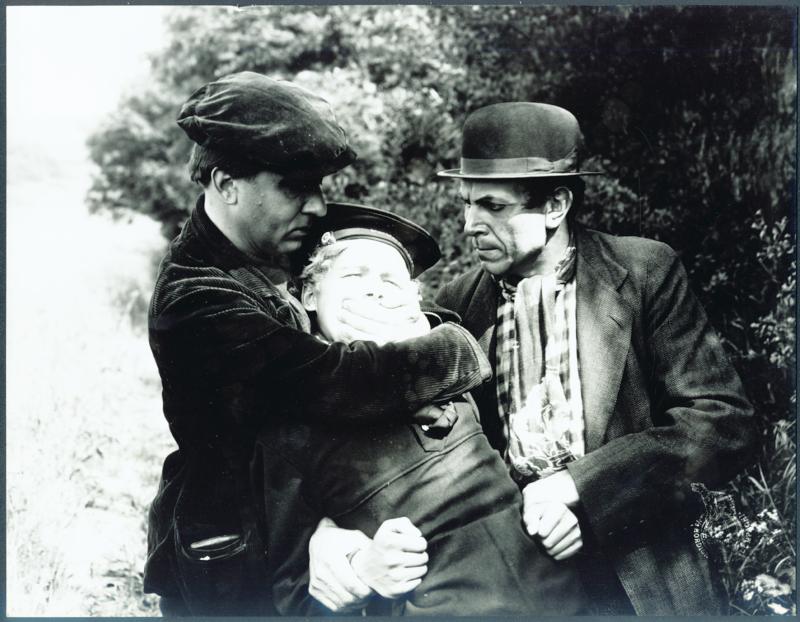
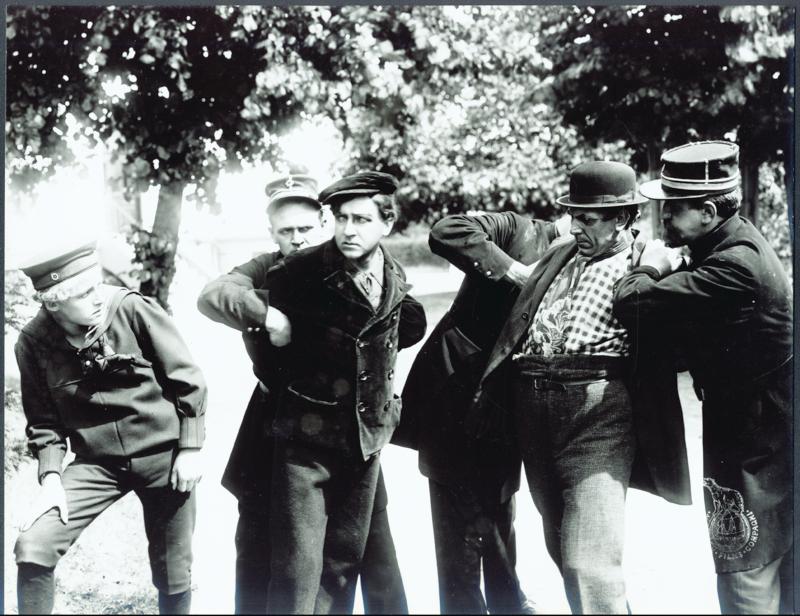
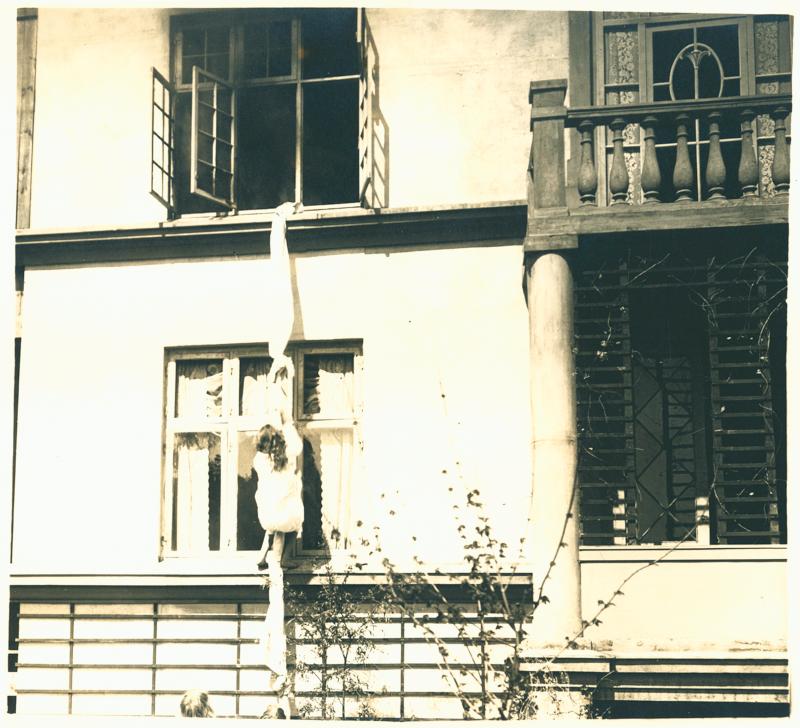
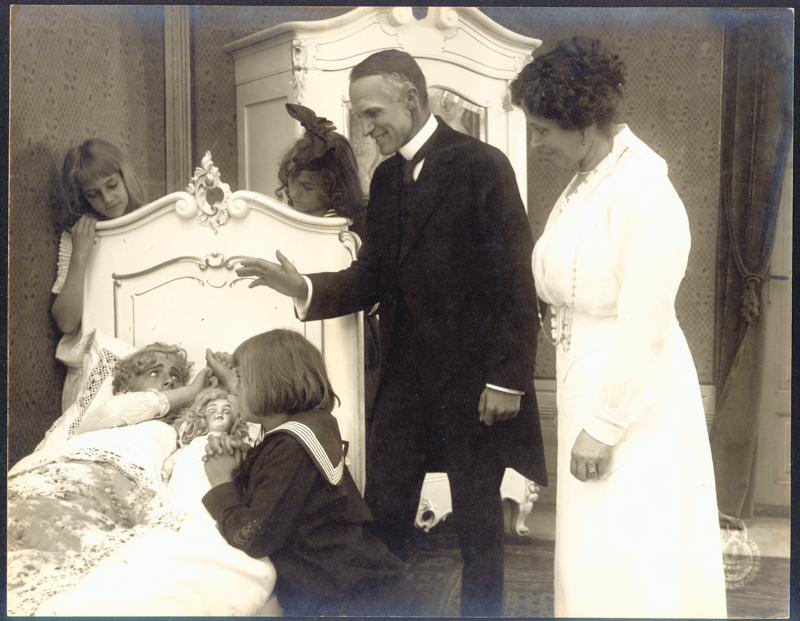
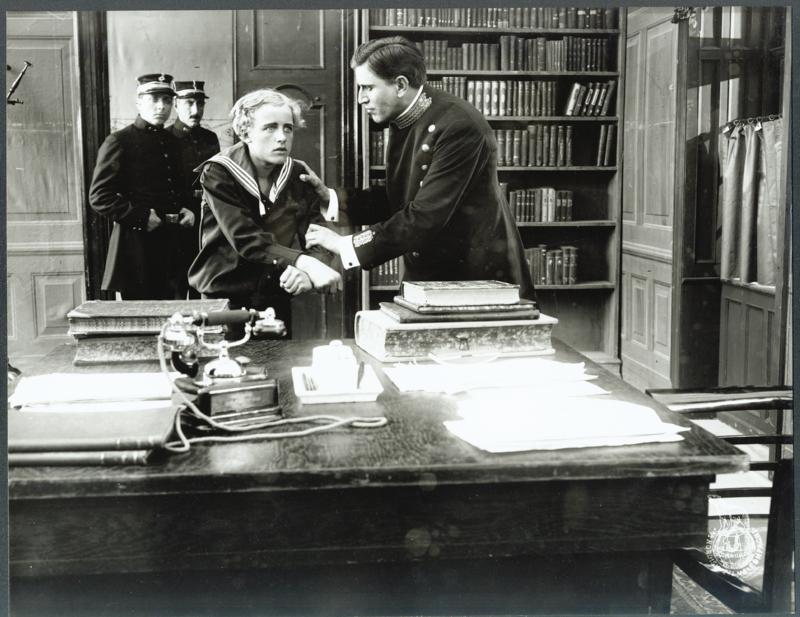
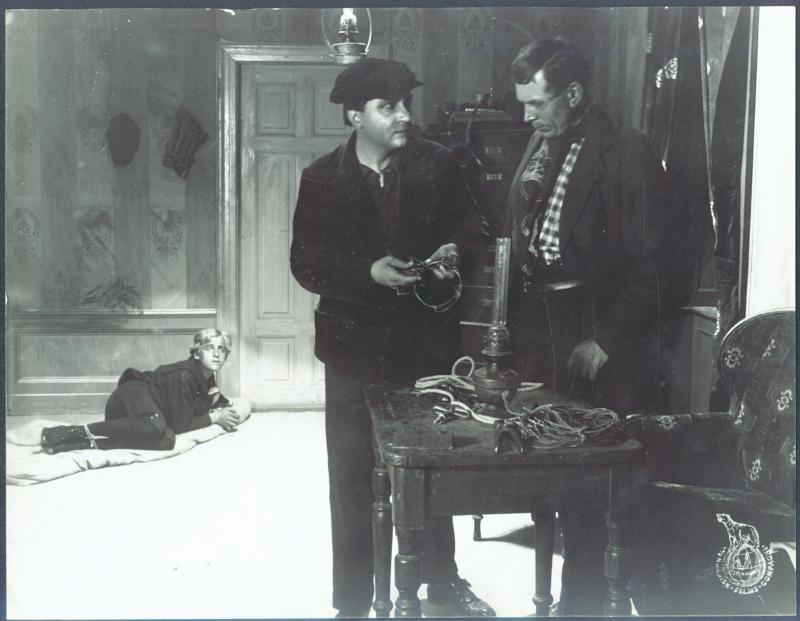
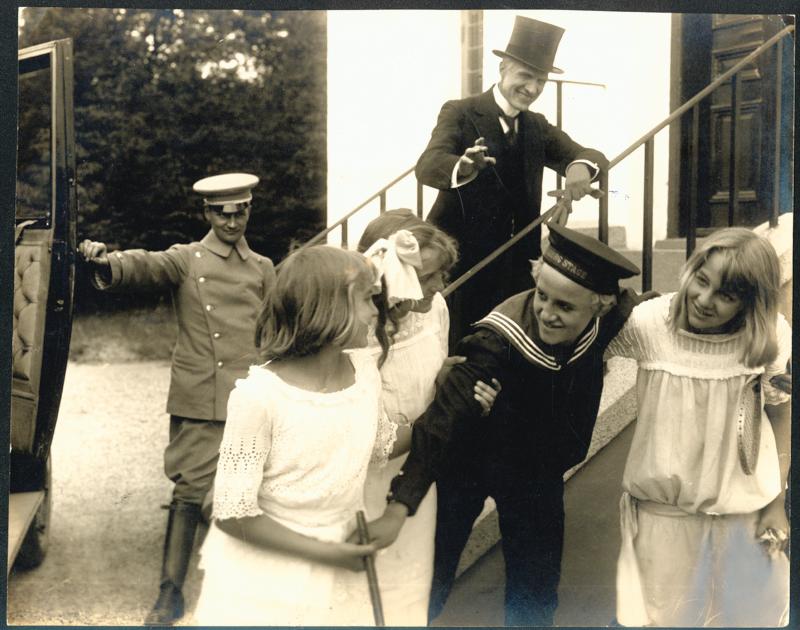
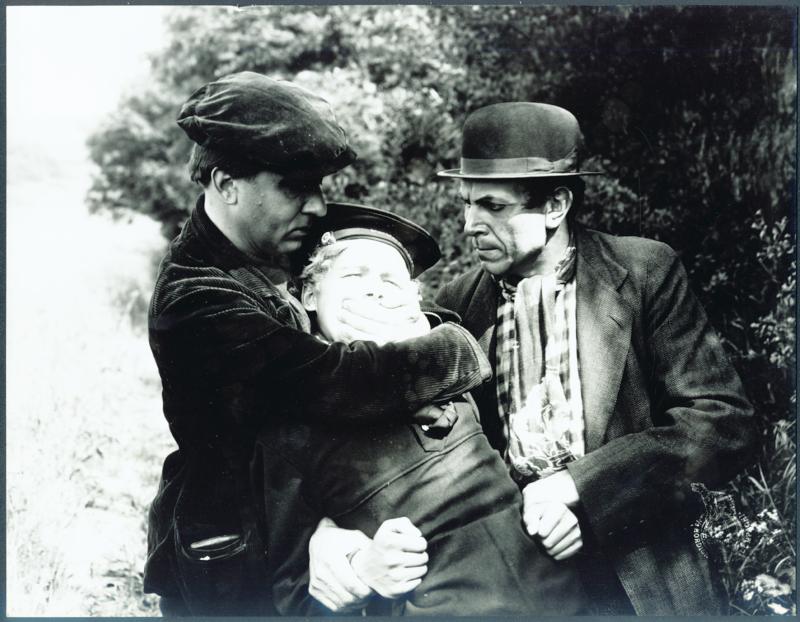
A soot-smudged Copenhagen boy, Jørgen, lives in a garret where the rain drips through the slates like a metronome of misery; his father, a printing-press ink-slinger, coughs blood into a handkerchief while setting subversive pamphlets in type, and his mother folds paper flowers for bourgeois parlours, petals trembling between frost-bitten fingers. When the father collapses mid-strike, the boy’s world tilts: creditors strip the room of its cracked porcelain, the landlord’s brass key clangs like a judge’s gavel, and the child—still smelling of linseed and poverty—finds himself thrust into the mansion of Herr Rosenkrantz, a silk-vested philanthropist whose library smells of Turkish tobacco and hidden guilt. There, beneath chandeliers that glitter like frozen tears, Jørgen becomes a living experiment in moral sanitation: the rich man’s daughter, Grete, teaches him to conjugate French verbs while her governess measures the circumference of his skull with calipers, convinced that degeneracy can be calculated. But the mansion’s parquet floors are a chessboard: every bowed servant, every whispering portrait, every locked mahogany drawer exhales the same question—can class be bleached from the skin like ink from a counterfeit banknote? The boy’s salvation seems to arrive in the form of a clandestine theatre troupe who rehearse in the abandoned brewery down by the quay; they cast him as the young Robespierre, and under the greenish gaslight his cheekbones acquire the marble ferocity of someone who has glimpsed the scaffold as both victim and executioner. Meanwhile, the city itself becomes a character: foghorns groan across the harbour, prostitutes in mauve gloves negotiate the price of a sailor’s soul, and a socialist orator on a soapbox quotes Beaumarchais to a crowd of shipyard workers whose breath rises in collective ghosts. The film’s spine, however, is a single night of riot: when Rosenkrantz’s factory guards fire into a breadline, Jørgen—still wearing the starched collar they gave him—leads a phalanx of ragged children through the cobblestone arteries, their shadows lengthening like accusations against the sandstone façades. In the final reel, the boy stands alone on the quayside at dawn, holding the blood-spattered script of the play; behind him, the manor burns in a palette of vermilion and ash, and before him, the fjord opens its iron-grey palms as if to say: swim, or sink, but do not remain suspended.
Review Excerpt
"
Gaslight flickers across the nitrate, and suddenly the twenty-first-century viewer is dragged backward into a Copenhagen where tuberculosis is a love-letter written in haemoglobin and childhood is a commodity priced per pound of sinew. Proletardrengen—translated literally as “The Proletarian Boy”—is not a tale you watch; it is a scar you inherit. Director A.V. Olsen, working in the long shadow of 1917 Europe’s collapsing monarchies, delivers a social-realist grenade whose pin is pulled by a te..."