
Cult Cinema
The Shadow Reel: Unearthing Cult Cinema's Rebel Heart from Early Film's Transgressive Visions
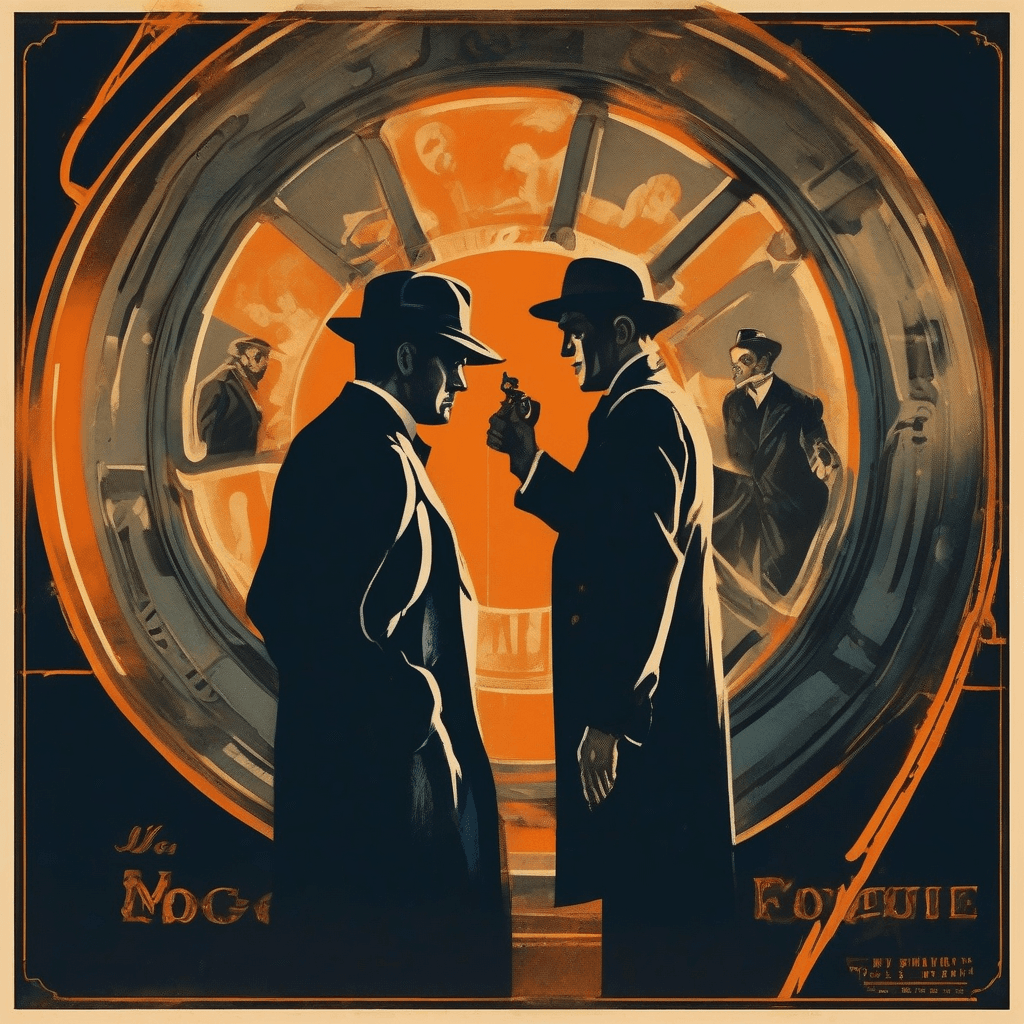
“A compelling exploration into the enigmatic world of cult cinema, tracing its rebellious spirit and transgressive narratives from the silent era's boldest visions to its enduring cultural impact.”
In the vast, ever-expanding universe of cinema, there exists a peculiar constellation known as cult cinema. These are not merely films; they are phenomena, whispered legends passed from one devotee to another, often ignored by mainstream critics upon release, only to rise phoenix-like from obscurity, carving out indelible niches in the collective consciousness. But what truly defines a cult film? Is it the midnight screenings, the fervent fan communities, the transgressive themes, or an uncompromising artistic vision that defies easy categorization? The answer, perhaps, lies in a potent cocktail of all these elements, a rebellious spirit that has permeated filmmaking since its earliest days.
The Genesis of the Unconventional: Seeds of Subversion in Early Cinema
To fully grasp the enduring allure of cult cinema, we must journey back to its nascent roots, long before the term 'cult film' even existed. The early 20th century, a period often romanticized as the innocent dawn of moving pictures, was in fact a fertile ground for narrative experimentation and, crucially, transgressive storytelling. While many films of the era aimed for broad appeal, others, by virtue of their subject matter, stylistic choices, or sheer audacity, laid the groundwork for what would much later be recognized as cult classics.
Consider the melodramas of the silent era. Films like The Golden Gift or Poppy, while seemingly conventional on the surface, delved into themes of societal struggle, moral compromise, and personal sacrifice with a raw emotional intensity that could be profoundly unsettling. The dramatic arcs of characters facing destitution, betrayal, and the harsh realities of life, as seen in The Unknown Wife with its ex-convict protagonist or Divorce Coupons exploring social climbing and reputation, often pushed against the conservative boundaries of the time. These weren't just stories; they were often heightened realities, designed to provoke strong reactions and stir deep contemplation, elements crucial to cult film appeal.
Beyond melodrama, early cinema also flirted with the darker facets of human experience. The very title Leaves From Satan's Book suggests a narrative steeped in the infernal, exploring human suffering and temptation across different historical epochs. Similarly, The Brand of Satan, with its chilling premise of a man grappling with a dual personality, one of which is a notorious strangler, is a clear precursor to psychological thrillers and horror that would later dominate cult circuits. These films, daring in their exploration of evil, madness, and the supernatural, tapped into a primal fascination with the forbidden, a thematic thread that runs consistently through cult cinema.
Defying the Mainstream: The Maverick Spirit
What truly sets cult films apart is their inherent defiance of mainstream sensibilities. They often reject conventional narrative structures, embrace stylistic eccentricities, and challenge societal norms. This maverick spirit was present even in the early days of filmmaking, albeit in different forms. While films like Look Out Below might have captivated audiences with dizzying stunts and visual spectacle, others subtly subverted expectations.
The burgeoning of distinct genres, from the Westerns like Cupid's Brand to the action of Do or Die, showed a willingness to explore specific narrative conventions and visual styles. Even comedies, whether the animated antics of Kats Is Kats and Flies or the situational humor of Breaking Into Society, often pushed the boundaries of slapstick and absurdity, finding humor in the unconventional. This early genre experimentation was vital, as cult cinema thrives on pushing genre limits, blending them, or outright inventing new ones.
Thematically, films that explored social outsiders or unconventional relationships hinted at the future of cult narratives. The Wandering Image, with its themes of free love, doppelgängers, and complex marital arrangements, would have been considered quite provocative for its time, challenging traditional morality in ways that resonate with later transgressive cult works. These narratives, even if not explicitly 'cult' in their initial reception, sowed the seeds of a cinematic language that embraced the strange, the unsettling, and the morally ambiguous.
The Power of the Fringe: Building Devoted Fandoms
A cult film is nothing without its cult following. The passionate engagement of an audience, often small but fiercely dedicated, is the lifeblood of cult cinema. This phenomenon, too, has echoes in the early days of film. While not gathering for midnight screenings of The American Beauty, audiences of the early 20th century were nonetheless forming deep connections with the silver screen, drawn to stories that spoke to them on a profound level.
The emotional resonance of a film like Freckles, following the struggles of an orphaned, one-armed waif, could easily forge a powerful bond with viewers who saw themselves in the character's vulnerability and resilience. Similarly, the grand historical sweep of Ivanhoe or the exotic intrigue of The Lotus Dancer offered escapism and a sense of shared experience, laying the groundwork for the communal aspect of film appreciation that would eventually blossom into cult fandom.
The unconventional pilgrimage of early filmgoers, seeking out the latest cinematic marvels in nickelodeons and grand picture palaces, fostered a sense of shared discovery. These early audiences were, in their own way, participating in a nascent form of cinematic devotion, eager to witness stories that transcended their everyday lives. This collective experience, the shared gasp, the communal tear, or the synchronized laughter, is the primordial soup from which later cult rituals would emerge.
Narrative Anarchy and Artistic Freedom
Cult cinema often revels in narrative anarchy, breaking free from conventional storytelling arcs and embracing ambiguity or unconventional structures. This artistic freedom, while perhaps more subtly expressed in early cinema, was nonetheless present. The episodic nature of some early films, or the often abrupt shifts in tone and plot that characterize nascent filmmaking, can be seen as an early form of narrative dissidence.
Even in seemingly straightforward dramas, the willingness to tackle complex moral dilemmas without clear-cut answers, as in Le coupable where a prosecuting attorney confronts his own son's tragic fate, presented audiences with challenging ethical landscapes. This refusal to simplify human experience, to instead present it in all its messy complexity, is a hallmark of many cult films. They dare to ask difficult questions and often leave the audience to wrestle with the answers.
Furthermore, the early years of cinema, before the rigid standardization of Hollywood's Golden Age, allowed for a broader spectrum of voices and experimental approaches. From the dramatic twists of The Forged Bride to the exotic settings of Tropical Love, filmmakers were exploring the vast potential of the medium, unconstrained by the commercial pressures and genre pigeonholing that would later become more prevalent. This period was a crucible for cinematic innovation, where every film, in its own way, was a step into the uncharted, contributing to the rich tapestry of film history.
The Enduring Legacy: From Fringe to Pantheon
The films that eventually achieve cult status often share a common trajectory: initial misunderstanding or outright rejection, followed by a gradual rediscovery and fervent embrace by a dedicated audience. This journey from fringe to pantheon is a testament to their enduring power and unique vision. While films like The Secret Seven, with its clever detective work, or Hands Up, with its fantastical premise of reincarnation, might not be screened at midnight cult festivals today, they embody the spirit of films that dared to be different.
They represent the proto-cult DNA, the fundamental building blocks of rebellion, transgression, and unique artistry that would later define the genre. The heightened emotions, the stark moral choices, the exploration of the uncanny, and the sheer spectacle of early cinema collectively forged an audience capable of deep, abiding affection for films that spoke to their innermost desires and fears. These early works, though often overlooked in contemporary discussions of cult cinema, were essential in establishing the cinematic vocabulary that would allow later, more overtly transgressive films to thrive.
In essence, cult cinema is not a static category but a dynamic phenomenon, constantly evolving yet rooted in fundamental principles of artistic integrity and audience connection. From the dramatic intensity of Sins of the Parents to the adventurous spirit of Until They Get Me, the early films, with their raw storytelling and nascent cinematic language, were indeed the shadow reels, casting the long, intriguing shadows that would eventually coalesce into the vibrant, often bizarre, and always captivating world of cult cinema we know and love today. They remind us that the allure of the unconventional, the power of a story told outside the lines, is as old as cinema itself.
Community
Comments
Log in to comment.
Loading comments…