
Cult Cinema
The Fringe Factor: How Unconventional Films Cultivate Undying Fandoms
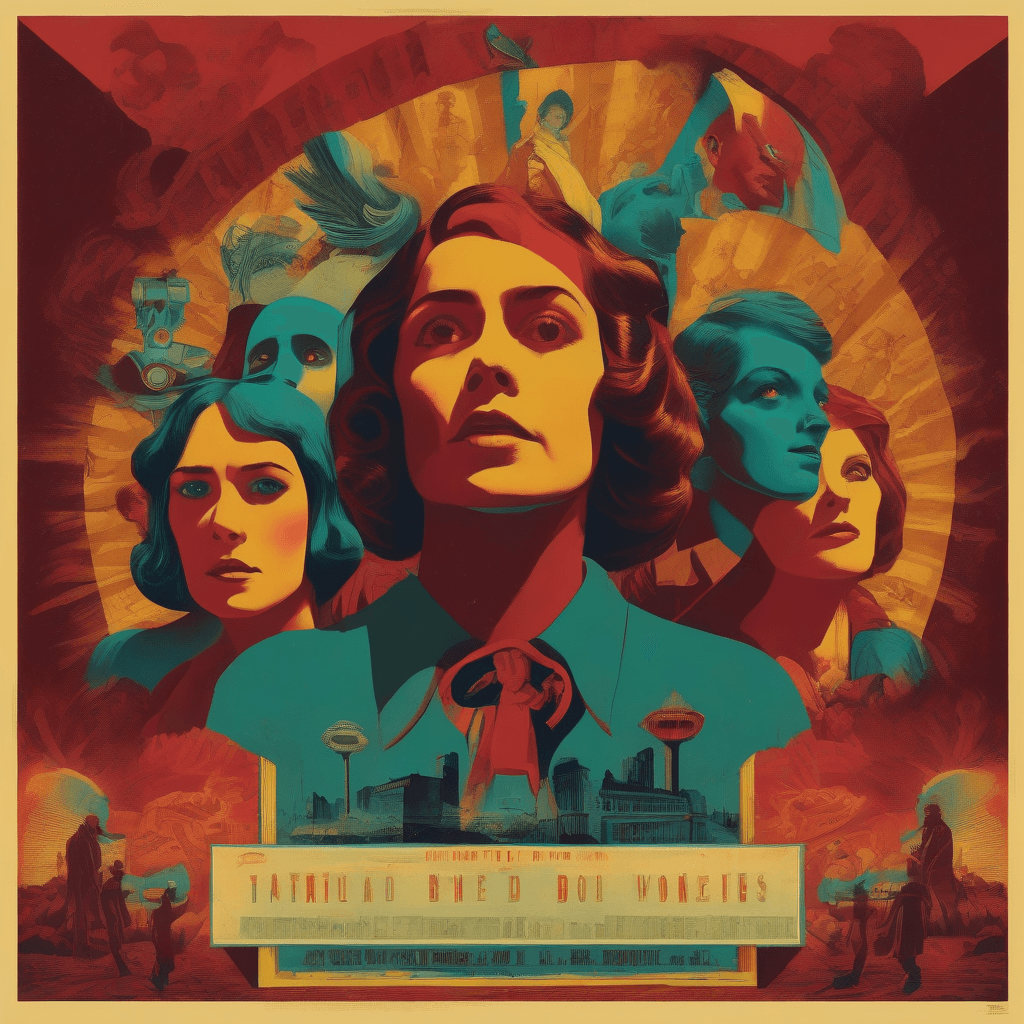
“Cult cinema defies easy categorization, thriving in the shadows of mainstream recognition to forge unbreakable bonds with its dedicated audiences. These unconventional films, often transgressive and genre-bending, reveal a potent alchemy between artistic rebellion and fervent fan devotion.”
In the vast, glittering expanse of cinematic history, certain films refuse to be confined to the neatly organized shelves of blockbusters or critical darlings. They are the outliers, the provocateurs, the deeply personal visions that, for myriad reasons, failed to capture the zeitgeist upon their initial release. Yet, from these very margins, a profound phenomenon emerges: cult cinema. These are not merely movies; they are experiences, rallying cries, and secret handshakes among devoted disciples. What is it about these unconventional narratives, often dismissed or ignored by the mainstream, that allows them to cultivate such undying fandoms and achieve a peculiar, enduring immortality?
The Unseen Narratives: A Symphony of the Strange
Cult films, by their very nature, often present unconventional narratives that challenge traditional storytelling tropes. They might explore themes considered too niche, too bizarre, or too transgressive for mass appeal. Consider the audacious premise of a film like Bound and Gagged, where a hero's fiancée embarks on a naked, moneyless global journey to prove his worth. This kind of premise, far from the polished romantic comedies of its era, instantly flags it as something 'other.' Similarly, the whimsical absurdity suggested by Call for Mr. Caveman, involving a giant caveman and a quest for a bride, speaks to a narrative freedom that prioritizes imagination over commercial viability. These films often embrace a narrative anarchy, where plot twists are less about logical progression and more about visceral impact or thematic exploration.
This willingness to deviate from the formulaic is a cornerstone of cult appeal. While mainstream cinema often aims for universal understanding, cult films revel in specificity, often creating worlds and characters that resonate deeply with a select few. Films like A Double-Dyed Deceiver, with its Texas bad man fleeing to a 'parrot-and-monkey country,' or Sukanya Savitri, which weaves together independent stories from the Mahabharata, demonstrate a disregard for conventional genre boundaries and a commitment to their unique story. They don't just tell a story; they invite audiences into a particular vision, a cinematic rebellion against predictable structures. This inherent oddness, this refusal to conform, is precisely what makes them stand out and, over time, attract those who crave something different.
Beyond the Mainstream Gaze: The Maverick Filmmaker's Vision
Behind every cult film is often a maverick filmmaker, an auteur whose vision is too singular, too uncompromising, or too ahead of its time to fit neatly into Hollywood's machinery. These directors often operate with limited budgets, forcing creative solutions and a raw, unfiltered aesthetic that further distinguishes their work. Films such as The Rug Maker's Daughter, while seemingly a straightforward romance, might have been imbued with a cultural specificity or narrative quirk that set it apart. The ambition suggested by The Leopard Woman, an 'epic of passion, intrigue, and espionage set in the African Jungle,' on what might have been a shoestring budget, hints at a filmmaker's determination to realize a grand vision despite constraints.
This artistic rebellion is not always intentional; sometimes, a film simply fails to connect with contemporary audiences due to poor marketing, critical misunderstanding, or simply being released at the wrong time. Still Waters, a drama about a canal boat captain and a circus performer, might have been too melancholic or too stark for audiences accustomed to more escapist fare. Yet, it's these very qualities—the unvarnished emotion, the unconventional pacing, the raw thematic explorations—that later generations of viewers discover and champion. The filmmaker’s unwavering commitment to their personal truth, regardless of commercial pressures, forms the bedrock upon which a cult following is built. These films become testaments to the power of individual expression, untainted by the homogenizing forces of mass appeal.
The Alchemy of Audience: From Obscurity to Obsession
Perhaps the most defining characteristic of cult cinema is its relationship with its audience. Unlike mainstream hits that are consumed and often forgotten, cult films are not merely watched; they are experienced, dissected, and ritualized. This transformation from obscurity to obsession is a powerful cinematic alchemy. The 'midnight movie' phenomenon, where films like The Rocky Horror Picture Show found their true home, is a prime example of audiences actively participating in the film's life, creating cinematic rituals that transcend passive viewing.
Fans become co-creators, injecting their own meaning, inside jokes, and traditions into the fabric of the film. They are the evangelists, the scholars, the protectors of these cinematic treasures. A film like Crazy to Marry, a comedy about a doctor curing criminals through surgery, might have been too outlandish for its initial release, but in the right context, it could become a beloved oddity. The detailed plot summaries of many older, lesser-known films, like The Politicians or The Husband Hunter, hint at narratives that, while perhaps not groundbreaking, offer unique enough hooks to foster a dedicated niche. This devoted fandom is not just about admiration; it's about belonging, a shared understanding of something special that exists outside the mainstream. It’s a testament to the idea that art isn't truly complete until an audience engages with it, breathes life into it, and makes it their own.
The Power of Re-discovery and Community
The internet and home video have democratized access to these forgotten gems, allowing new generations to discover and embrace films that might have otherwise vanished into the annals of history. Online forums, social media groups, and fan conventions provide platforms for these communities to thrive, sharing theories, fan art, and elaborate homages. This process of re-discovery is crucial; it allows films that were ahead of their time or simply misunderstood to find their rightful place. The communal aspect is vital, transforming solitary viewing into a shared passion. Whether it’s decoding the intricate symbolism of a surreal masterpiece or simply reveling in the sheer absurdity of a B-movie, the collective experience amplifies the film's appeal. This shared enthusiasm is what elevates a mere film to a cult classic, cementing its place in the hearts of its admirers forever.
Taboo and Transgression: Pushing Cinematic Boundaries
Many cult films gain their notoriety by daring to tread where mainstream cinema fears to go. They explore taboo themes, present morally ambiguous characters, or depict explicit content that shocks and provokes. This transgressive cinema pushes the boundaries of taste and decency, forcing viewers to confront uncomfortable truths or revel in forbidden fantasies. Ten Nights in a Bar Room, a drama about the devastating effects of alcohol, might have been a moralistic tale, but its raw depiction of social decay could have resonated as a powerful, albeit uncomfortable, statement. Similarly, the dramatic weight implied by The Mortgaged Wife, involving theft and blackmail, suggests a dive into the darker aspects of human nature that might have been too intense for broader audiences.
Films like The Broken Commandments, featuring escaped convicts and a young girl, or The Husband Hunter, which explores cynical manipulations in romance, touch upon themes of danger, betrayal, and moral compromise. These narratives, by their very nature, invite controversy and critical debate, which paradoxically fuels their enduring allure. Audiences drawn to cult films often seek out these challenging works, finding liberation or catharsis in their unflinching portrayal of society's underbelly or its hidden desires. This willingness to confront the uncomfortable or celebrate the unconventional is a hallmark of the cult film experience, distinguishing it from the often sanitized offerings of commercial cinema.
The Embrace of the Grotesque and the Quirky
Beyond explicit content, transgression can also manifest in the embrace of the grotesque, the absurd, or the deeply quirky. Films that revel in their own strangeness, whether through bizarre characters, surreal plots, or dark humor, often find a cult following. The simple, yet evocative titles of films like A Pool of Peaches or The Jazz Hounds hint at unique cultural snapshots or unusual premises that, while not necessarily 'transgressive' in a shocking sense, certainly stand apart from the ordinary. This embrace of the anomalous, the weird, and the wonderful, creates a distinct cinematic universe that is both alienating to some and utterly captivating to others. It is this unique blend of the challenging and the charmingly odd that helps define the subversive narratives that cult audiences cherish.
The Aesthetic of the Anomalous: Visuals That Haunt and Hypnotize
Cult cinema often boasts a distinctive unique aesthetic, whether through deliberate stylistic choices, experimental techniques, or even the accidental charm of low-budget filmmaking. This visual signature is integral to their identity and appeal. A film like Pilgrim's Progress, being an allegorical tale, would likely employ a highly stylized and symbolic visual language that sets it apart. The crime drama of The Girl in the Checkered Coat could have harnessed a particular noir-ish atmosphere, leveraging shadows and stark contrasts to enhance its narrative of a thief's upbringing.
Even seemingly straightforward films like The Cabaret Girl or The Plaything of Broadway, centered on city life and performance, could have utilized innovative cinematography or production design to create a vibrant, immersive world. The very concept of The Jazz Hounds, a short narrative comedy focusing on African American jazz culture, suggests a film steeped in a specific visual and auditory rhythm, perhaps pioneering early forms of musical cinema or cultural representation. These aesthetic choices, whether avant-garde or born of necessity, contribute to the film's overall mystique and memorability. They create a visual storytelling experience that is often unlike anything else, etching itself into the minds of viewers long after the credits roll.
Beyond Polished Perfection: Embracing Imperfection
Sometimes, the aesthetic appeal of a cult film lies not in its polished perfection, but in its raw, unfiltered quality. The visible seams of low-budget productions, the unconventional acting choices, or the experimental editing can all contribute to a film's charm. It's a rejection of the slick, commercial sheen, offering something more authentic and handmade. This experimental film approach, whether intentional or not, often resonates with audiences who appreciate art that feels less manufactured and more genuinely expressive. This embrace of imperfection can create a unique bond, as viewers feel they are privy to a more intimate and honest artistic endeavor. It’s a powerful testament to the idea that true cinematic magic isn't always found in the biggest budgets, but in the boldest visions.
Legacy and Echoes: Cult Cinema's Enduring Impact
The influence of cult cinema extends far beyond its immediate fan base, subtly shaping the broader cinematic landscape. Ideas, styles, and narrative structures pioneered or popularized by cult films often percolate into mainstream productions, inspiring new generations of filmmakers and artists. What was once considered too strange or too niche can, over time, become a celebrated part of film history, influencing everything from genre conventions to thematic explorations. Films that initially struggled, such as The Man from Oregon or The White Scar, might have introduced narrative complexities or character archetypes that later found widespread appreciation in more conventional settings.
The very existence of cult cinema challenges the notion of a singular, monolithic film canon. It champions diversity, encourages artistic risk-taking, and proves that commercial success is not the sole determinant of a film's worth or longevity. The enduring popularity of films like Camille, which, despite its melodramatic nature, continues to be adapted and revisited, speaks to the power of certain narratives to transcend their original context and find new resonance. Even obscure titles like Her Father's Gold or The Climbers, with their themes of mystery and social ambition, contribute to a rich tapestry of storytelling that informs and enriches the collective cinematic consciousness.
A Timeless Appeal and Cultural Touchstone
Ultimately, cult films become cultural touchstones, passed down through generations of film enthusiasts. They are discussed, debated, and re-evaluated, their meanings evolving with changing social contexts. This timeless appeal is a testament to their inherent power to connect with audiences on a deeply personal level, offering comfort, challenge, or simply a space to belong. From the melodramatic intensity of Tosca to the frontier spirit of Back to Yellow Jacket, each film, however obscure, carries the potential to ignite a fervent passion. They are a vital, vibrant part of film history, a living testament to the idea that true art finds its audience, eventually, no matter how long it takes or how unconventional its path.
In a world increasingly dominated by algorithm-driven content and homogenized entertainment, cult cinema stands as a defiant beacon of individuality and passionate engagement. It reminds us that the most profound cinematic experiences often lie just beyond the spotlight, waiting to be discovered by those willing to venture into the fringe. The enduring allure of these films is not just in their content, but in the communities they forge, the conversations they spark, and the indelible mark they leave on the rebellious heart of cinema itself. They are, and will always be, a testament to the fact that true art often thrives in the shadows, nurtured by the devotion of those who see its unique light.
Community
Comments
Log in to comment.
Loading comments…