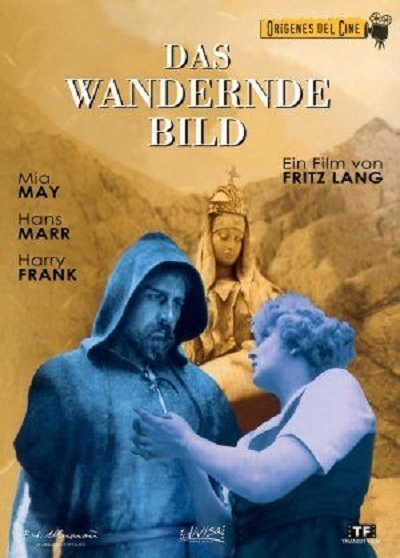
Mia May has surrendered herself to a disciple of free love, and, having given birth to a child, marries the twin brother and Doppelgänger of her chosen lover..

Fritz Lang, Thea von Harbou
Germany
The Nascent Architecture of Langian FateTo witness Das wandernde Bild (The Wandering Image) is to observe the architectural blueprint of Fritz Lang’s obsession with predestination and the inescapable gravity of human error. Before the mechanical precision of Metropolis or the forensic chill of M, Lang was experimenting...
still_frame
still_frame
still_frame
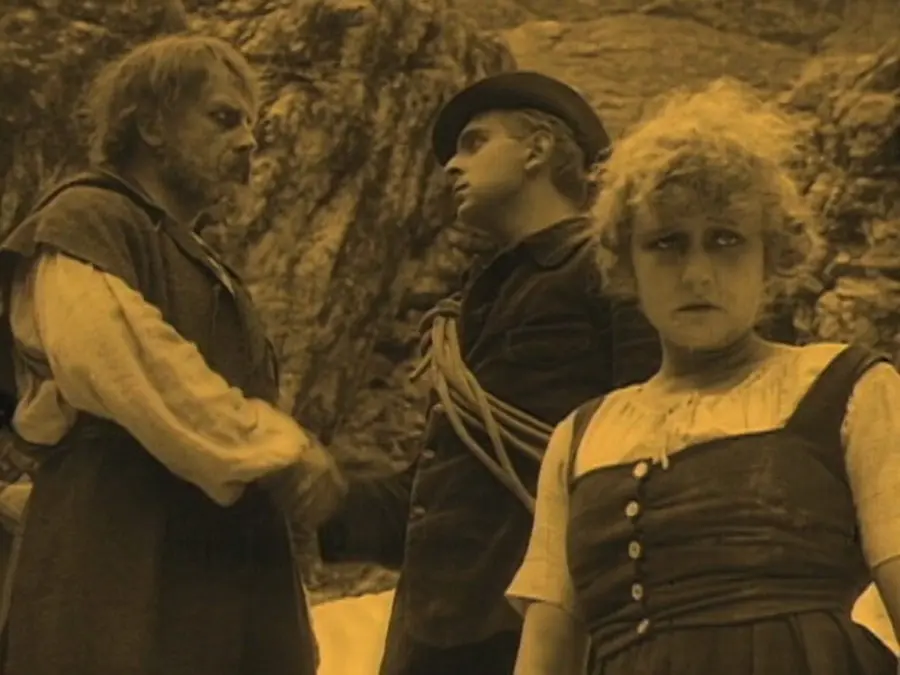
still_frame
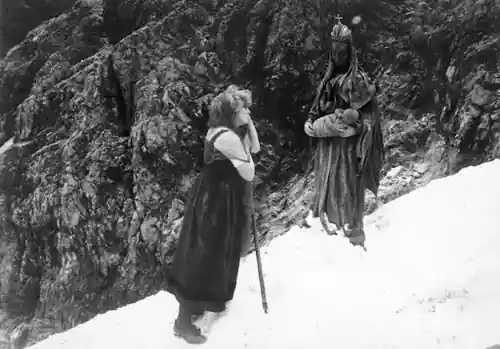
still_frame
Comparing the cinematic DNA and archive impact of two defining moments in cult history.
Fritz Lang
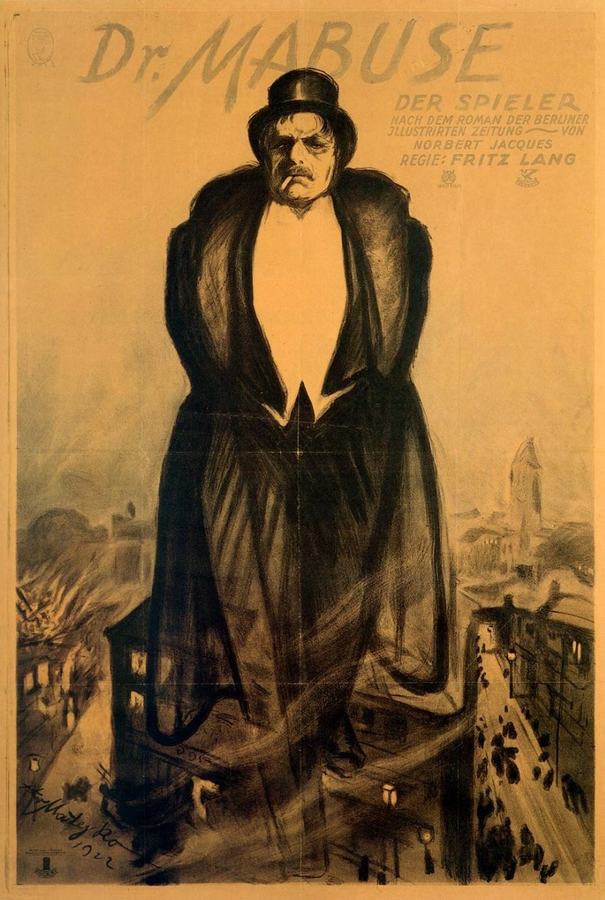
Fritz Lang
Community
Log in to comment.
"The Nascent Architecture of Langian FateTo witness Das wandernde Bild (The Wandering Image) is to observe the architectural blueprint of Fritz Lang’s obsession with predestination and the inescapable gravity of human error. Before the mechanical precision of Metropolis or the forensic chill of M, Lang was experimenting with the raw materials of folk-legend and high melodrama. This 1920 collaboration with Thea von Harbou functions as a pivotal bridge between the 19th-century theatrical tradition ..."
Deep dive into the cult classic
Discover similar cinematic experiences
A Directorial Spotlight on Fritz Lang