
DbcultAccessing Vault...
Director's Spotlight
Senior Film Conservator
Director's Spotlight: United States
A Deep Dive into the 1915 Vision of Theodore Marston
Witnessing the stylistic transformation of cult through The Cave Man reveals the global recognition that Theodore Marston garnered after the release of The Cave Man. Serving as a mirror to the anxieties of a changing world, offering layers of thematic complexity that demand repeated viewing.
In The Cave Man, Theodore Marston pushes the boundaries of conventional narrative. The film's unique approach to its subject matter has sparked endless debates and interpretations among cinephiles and critics alike.
To fully appreciate The Cave Man, one must consider the cinematic climate of 1915. During this period, United States was undergoing significant artistic shifts, and Theodore Marston was at the forefront of this cult movement, often challenging established norms.
| Cinematography | Deep Focus |
| Soundtrack | Orchestral |
| Editing | Slow-Burn |
| Art Direction | Brutalist |
Visualizing the convergence of Theodore Marston's style and the core cult narrative.
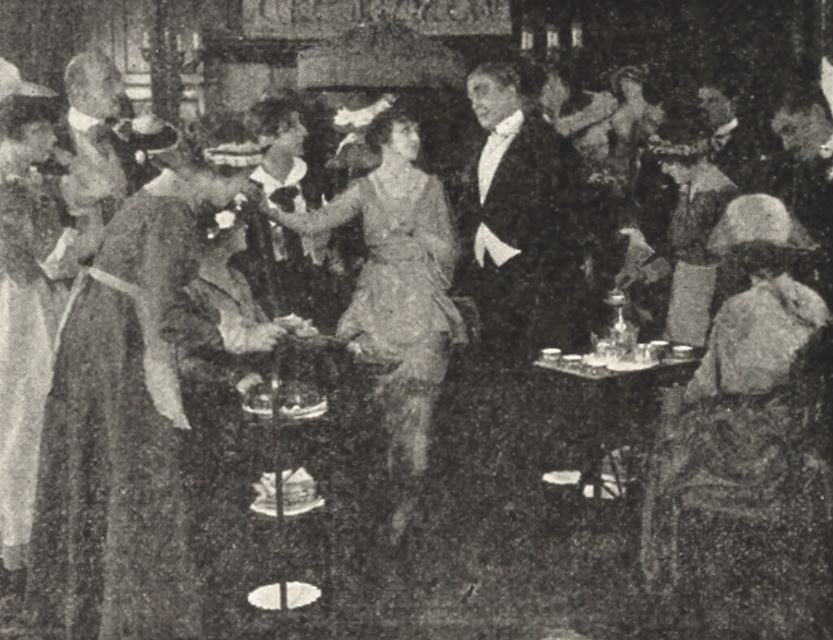
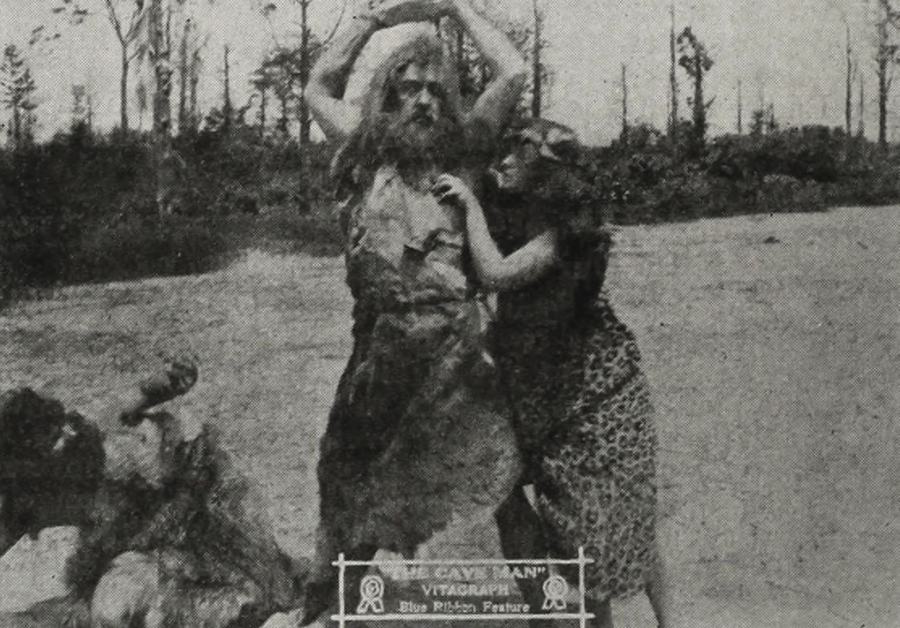
Realizing the folly and superficiality of society, Madeline Mischief, in the spirit of a wager, claims she could choose at random any man from the streets and make of him in a very short time a leader of society. Her friends laugh at her, but she determines to prove her contention and places one-half of a $100 bill in an envelope with a note reading: "If the finder of this is a woman, give it to the nearest man; if a man, call at Room 1798, Clarion Hotel, at once, for the other half of enclosed bill." Hanlick Smagg, a burly coal-heaver, finds the envelope and, after some hesitation, goes into the fashionable apartment house, still carrying his shovel. Then follow many amusing Incidents of Hanlick's introduction to society as a sociologist, for, although Hanlick proves very tractable, he is like a bull in a china shop. However, a barber, haberdasher and the necessary accoutrements of a gentleman convert Smagg into a very passable type, but his temporary breaks are only put down as eccentricity, for is he not studying the life of the "submerged tenth"? When he passes upon a painting, all listen breathlessly, and under Madeline's coaching he soon becomes a social lion. But the inevitable follows. Hanlick falls in love with Madeline, and Dolly Van Dream, her friend, falls in love with him. But Hanlick breaks up threatened complications by reverting to the old type and going back to the "submerged tenth," and coal-heaving. Finally he gets a job at the steel works, turns out a valuable invention and gains a fortune. Now a genuine man of the world, he once more meets Madeline, who has never forgotten him, and the joyful outcome is that he elopes with her, without opposition in the old caveman fashion and romantic way.
Decades after its release, The Cave Man remains a vital piece of the cinematic puzzle. Its influence can be seen in countless modern works, solidifying Theodore Marston's status as a master of the craft in United States and beyond.