
DbcultAccessing Vault...
Director's Spotlight
Senior Film Conservator
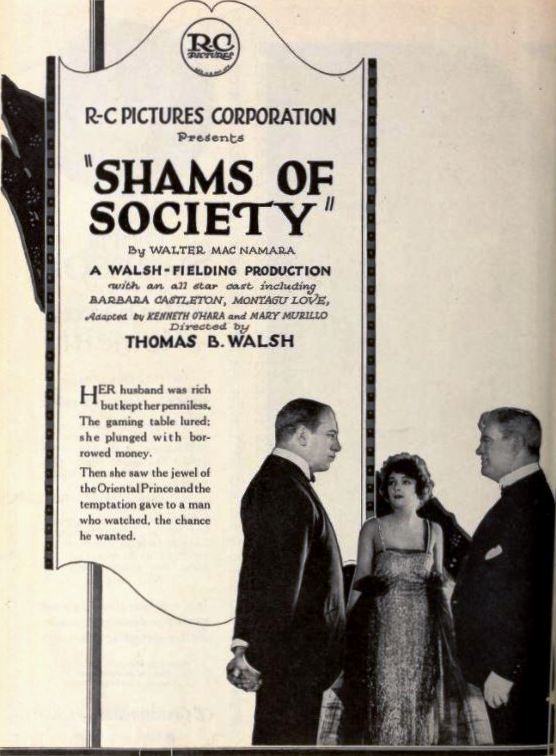
Director's Spotlight: United States
A Deep Dive into the 1921 Vision of Thomas B. Walsh
When we examine the cinematic landscape of United States, Shams of Society emerges as a landmark work of the enduring legacy of Thomas B. Walsh's artistic contribution to the genre. Through a lens of existential fatalism and Drama tropes, it captures a specific kind of cinematic magic that is rarely replicated.
In Shams of Society, Thomas B. Walsh pushes the boundaries of conventional narrative. The film's unique approach to its subject matter has sparked endless debates and interpretations among cinephiles and critics alike.
| Cinematography | Static |
| Soundtrack | Diegetic |
| Editing | Elliptical |
| Art Direction | Expressionist |
Visualizing the convergence of Thomas B. Walsh's style and the core Drama narrative.
Although her husband is wealthy, he's also cheap, and Helen Porter often finds herself in the embarrassing position of running out of cash while out and about. One day she accompanies a friend to a gambling hall which is run out of the back of a dress shop. She loses what money she has, then borrows more and loses that, and is finally forced to hock her jewels to Milton Howard in order to pay her debts. Howard gets her to steal a valuable jewel at a society reception. Complications ensue.
Decades after its release, Shams of Society remains a vital piece of the cinematic puzzle. Its influence can be seen in countless modern works, solidifying Thomas B. Walsh's status as a master of the craft in United States and beyond.