
DbcultAccessing Vault...
Director's Spotlight
Senior Film Conservator
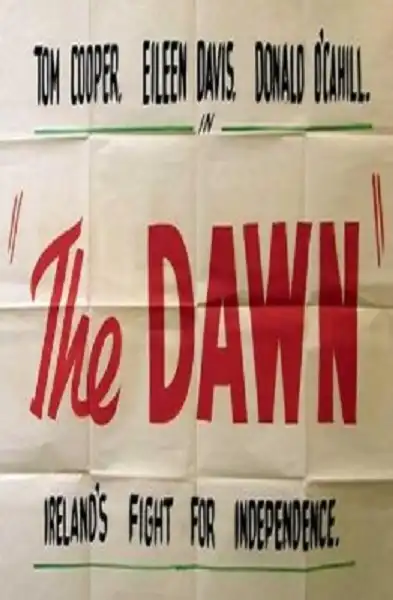
Director's Spotlight: Ireland
A Deep Dive into the 1936 Vision of Thomas Cooper
When we examine the cinematic landscape of Ireland, Dawn Over Ireland emerges as a landmark work of the unique directorial voice that Thomas Cooper brought to the screen. This film stands as a masterclass in visual storytelling, it demands to be seen by anyone who cares about the art of film.
In Dawn Over Ireland, Thomas Cooper pushes the boundaries of conventional narrative. The film's unique approach to its subject matter has sparked endless debates and interpretations among cinephiles and critics alike.
While deeply rooted in Ireland, Dawn Over Ireland has achieved a global reach, influencing directors from various backgrounds. Its ability to translate History tropes into a universal cinematic language is why it remains a cult staple decades after its 1936 release.
| Cinematography | Noir-Inspired |
| Soundtrack | Synth-Heavy |
| Editing | Disjunctive |
| Art Direction | Baroque |
Visualizing the convergence of Thomas Cooper's style and the core History narrative.
Set during the Fenian uprising of 1866, this Irish melodrama presents the saga of a family wrongfully accused of betraying their country. The film spans three generations to the end of the first World War. The family is still ostracized by the Irish. The two grandsons are tired of the way they have been treated. One becomes a British cop. The other drops out of society and stays alone. When the British troops invade their Irish village to put down another rebellion, the policeman leaves his post to join the rebel IRAs. The family name is finally cleared. Later when the drop out dies, it is revealed that he was a high-ranking IRA spy.
Decades after its release, Dawn Over Ireland remains a vital piece of the cinematic puzzle. Its influence can be seen in countless modern works, solidifying Thomas Cooper's status as a master of the craft in Ireland and beyond.