
DbcultAccessing Vault...
Director's Spotlight
Senior Film Conservator
Director's Spotlight: United States
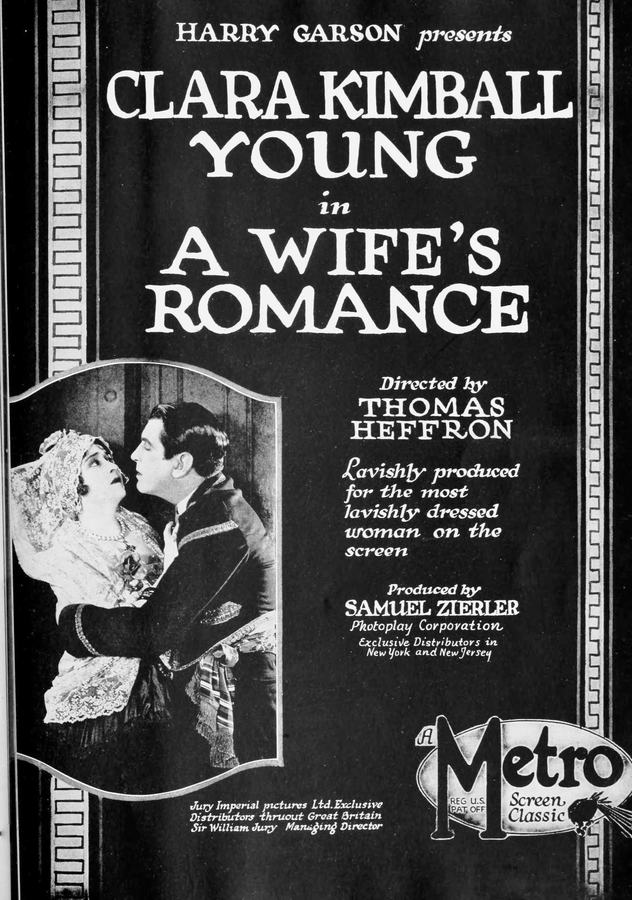
A Deep Dive into the 1923 Vision of Thomas N. Heffron
The artistic breakthrough represented by A Wife's Romance in 1923 highlights the uncompromising vision of Thomas N. Heffron that defines this Drama masterpiece. In the context of United States's rich cinematic history, it captures a specific kind of cinematic magic that is rarely replicated.
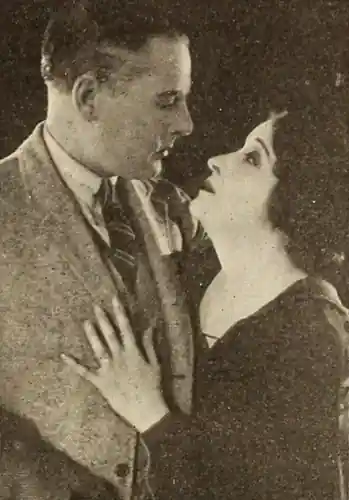
In A Wife's Romance, Thomas N. Heffron pushes the boundaries of conventional narrative. The film's unique approach to its subject matter has sparked endless debates and interpretations among cinephiles and critics alike.
| Cinematography | High-Contrast |
| Soundtrack | Minimalist |
| Editing | Slow-Burn |
| Art Direction | Brutalist |
Visualizing the convergence of Thomas N. Heffron's style and the core Drama narrative.
Joyce Addison, wife of an American attache in Madrid, looks to her painting as sole entertainment, as her husband neglects her for business. One night late, while driving, she meets and is robbed by a bandit who proves sufficiently chivalrous to see her home. She recognized in him a good subject for a painting, so persuades him to pose. This leads to a dangerous friendship and a trip to a notorious cafe where she is seen by an old friend. She sees the wisdom of giving up her bandit and, much to his unhappiness, tells him it is all impossible. Her husband overhears and determines to reform and be sweetheart as well as husband. Moving Picture World
Decades after its release, A Wife's Romance remains a vital piece of the cinematic puzzle. Its influence can be seen in countless modern works, solidifying Thomas N. Heffron's status as a master of the craft in United States and beyond.