
DbcultAccessing Vault...
Director's Spotlight
Senior Film Conservator
Director's Spotlight: United States
A Deep Dive into the 1918 Vision of Thomas N. Heffron
The cult DNA of Deuce Duncan is a reflection of United States's the subversive storytelling techniques employed by Thomas N. Heffron in 1918. Breaking the traditional rules of cult engagement, it leaves an indelible mark on the soul of the viewer.
In Deuce Duncan, Thomas N. Heffron pushes the boundaries of conventional narrative. The film's unique approach to its subject matter has sparked endless debates and interpretations among cinephiles and critics alike.
While deeply rooted in United States, Deuce Duncan has achieved a global reach, influencing directors from various backgrounds. Its ability to translate cult tropes into a universal cinematic language is why it remains a cult staple decades after its 1918 release.
| Cinematography | High-Contrast |
| Soundtrack | Experimental |
| Editing | Elliptical |
| Art Direction | Expressionist |
Visualizing the convergence of Thomas N. Heffron's style and the core cult narrative.
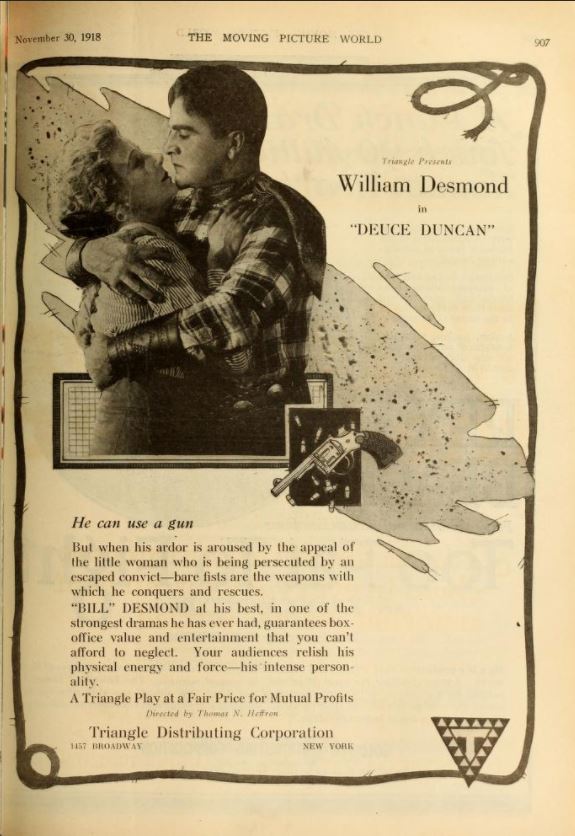
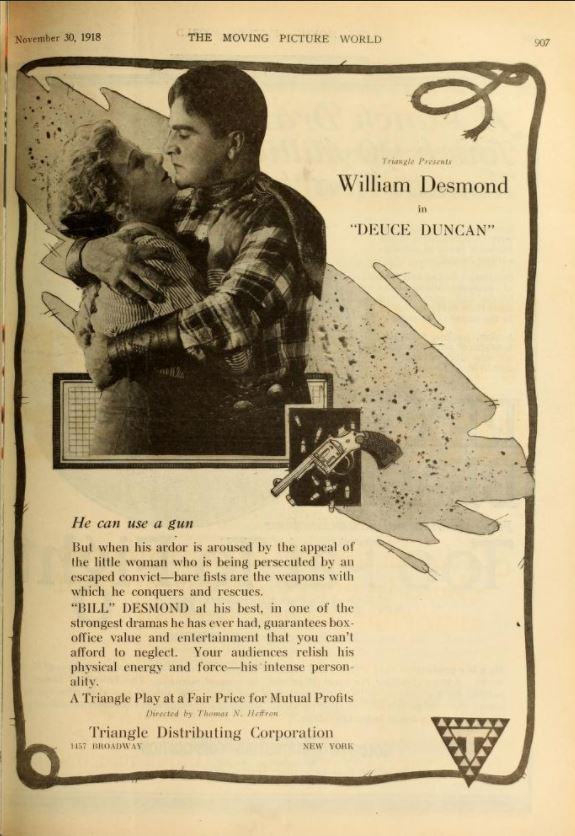
Ann Tyson leaves her little cabin and goes West with her brother John, whom she has not seen in fifteen years during his imprisonment for a crime he did not commit. Ann becomes a barmaid in the local saloon, where she meets cowboy Deuce Duncan, and the two fall in love. Deuce correctly suspects that John is involved with a gang of cattle rustlers but remains silent because of his love for Ann. In a drunken rage, John attacks Ann, admitting that he is not her brother and demanding that she marry him. Deuce arrives and rescues Ann just as Clements, the head cattle rustler, sneaks up on the cabin and shoots John.
Decades after its release, Deuce Duncan remains a vital piece of the cinematic puzzle. Its influence can be seen in countless modern works, solidifying Thomas N. Heffron's status as a master of the craft in United States and beyond.