
DbcultAccessing Vault...
Director's Spotlight
Senior Film Conservator
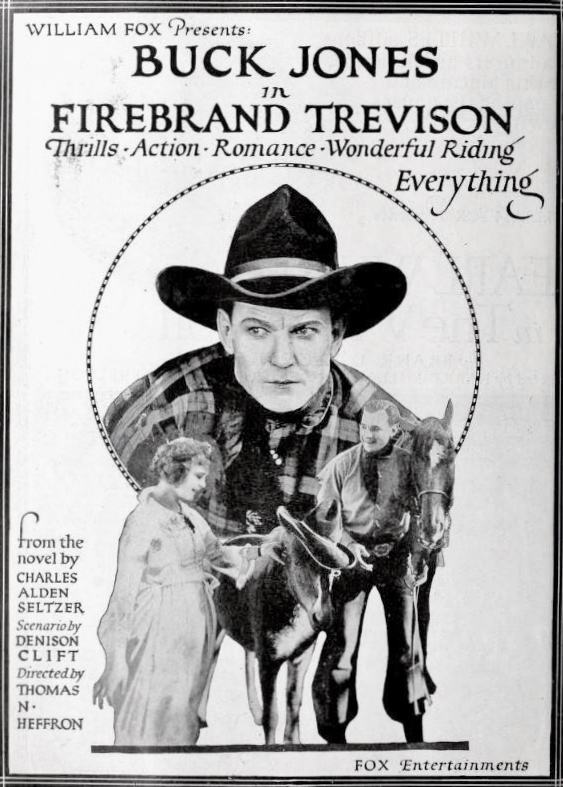
Director's Spotlight: United States
A Deep Dive into the 1920 Vision of Thomas N. Heffron
The artistic breakthrough represented by Firebrand Trevison in 1920 highlights the uncompromising vision of Thomas N. Heffron that defines this Drama masterpiece. In the context of United States's rich cinematic history, it captures a specific kind of cinematic magic that is rarely replicated.
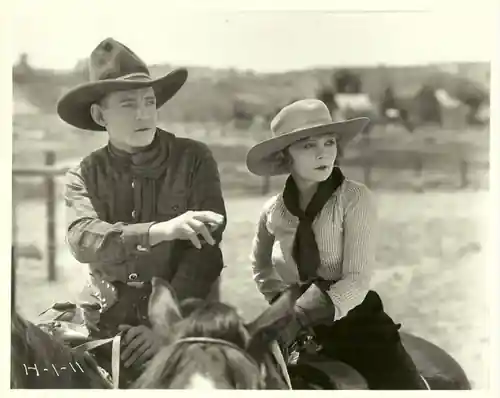
In Firebrand Trevison, Thomas N. Heffron pushes the boundaries of conventional narrative. The film's unique approach to its subject matter has sparked endless debates and interpretations among cinephiles and critics alike.
| Cinematography | Handheld |
| Soundtrack | Synth-Heavy |
| Editing | Disjunctive |
| Art Direction | Baroque |
Visualizing the convergence of Thomas N. Heffron's style and the core Drama narrative.
Firebrand Trevison owns the Diamond K Ranch, which the railroad is anxious to acquire. To execute the purchase, Rosalind Benham, the railroad president's daughter, her aunt and Benham's representative Jefferson Corrigan, who is in love with Rosalind, travel to Arizona. Corrigan and Firebrand take an instant dislike to each other, and a fistfight develops between the two men. When Firebrand becomes friendly with Rosalind, Corrigan determines to ruin his rival. He conspires with a crooked judge to challenge Firebrand's title to the ranch and attempts to subvert the rancher's budding relationship with Rosalind by inducing Hester Keys to pretend that she is involved with him. After a series of misadventures, Firebrand surmounts these challenges to retain both his land and Rosalind.
Decades after its release, Firebrand Trevison remains a vital piece of the cinematic puzzle. Its influence can be seen in countless modern works, solidifying Thomas N. Heffron's status as a master of the craft in United States and beyond.