
DbcultAccessing Vault...
Director's Spotlight
Senior Film Conservator
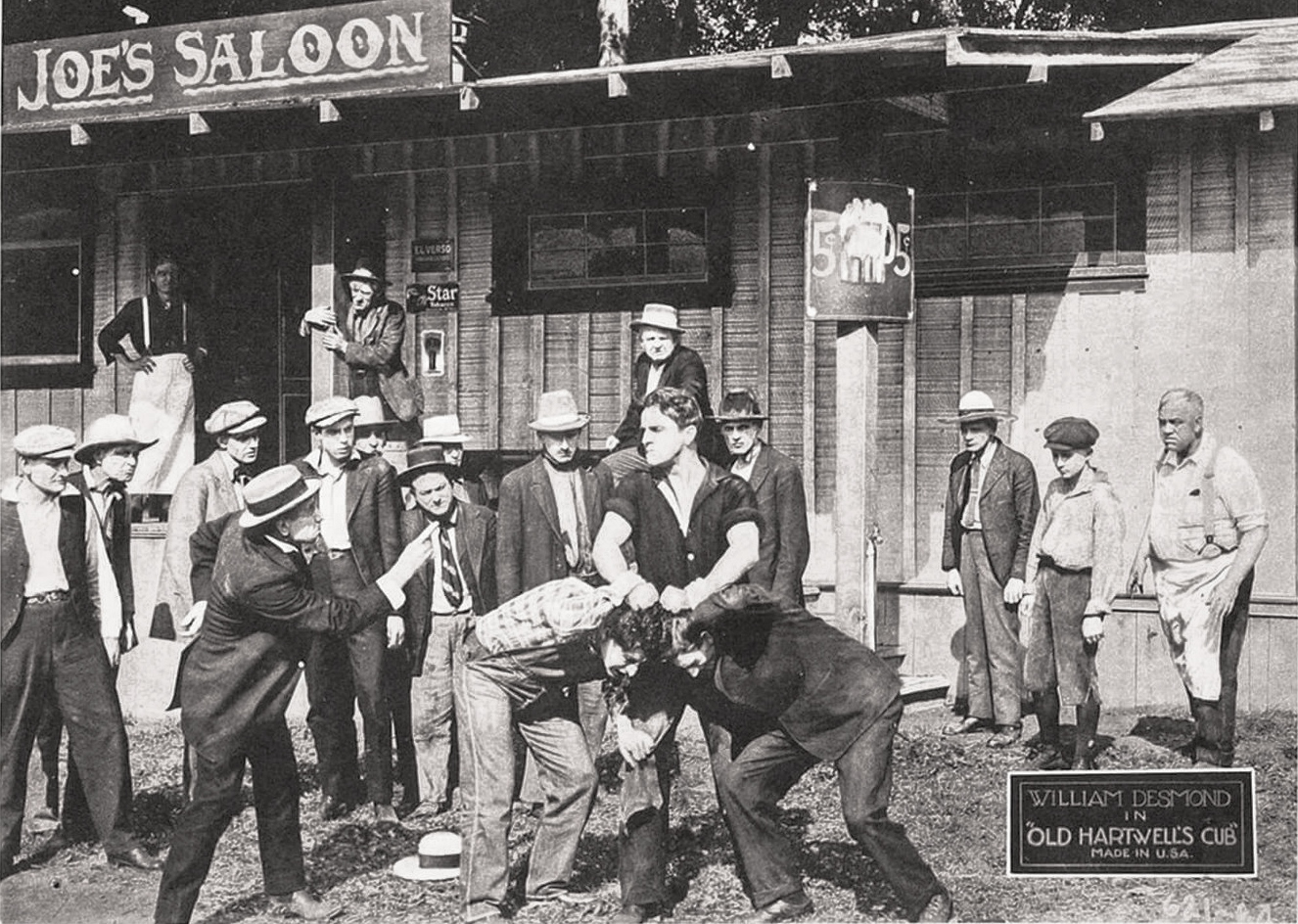
Director's Spotlight: United States
A Deep Dive into the 1918 Vision of Thomas N. Heffron
The brilliance of Old Hartwell's Cub (1918) is inseparable from the visionary mind of its creator, Thomas N. Heffron. Serving as a mirror to the anxieties of a changing world, it persists as a haunting reminder of our own cinematic history.
In Old Hartwell's Cub, Thomas N. Heffron pushes the boundaries of conventional narrative. The film's unique approach to its subject matter has sparked endless debates and interpretations among cinephiles and critics alike.
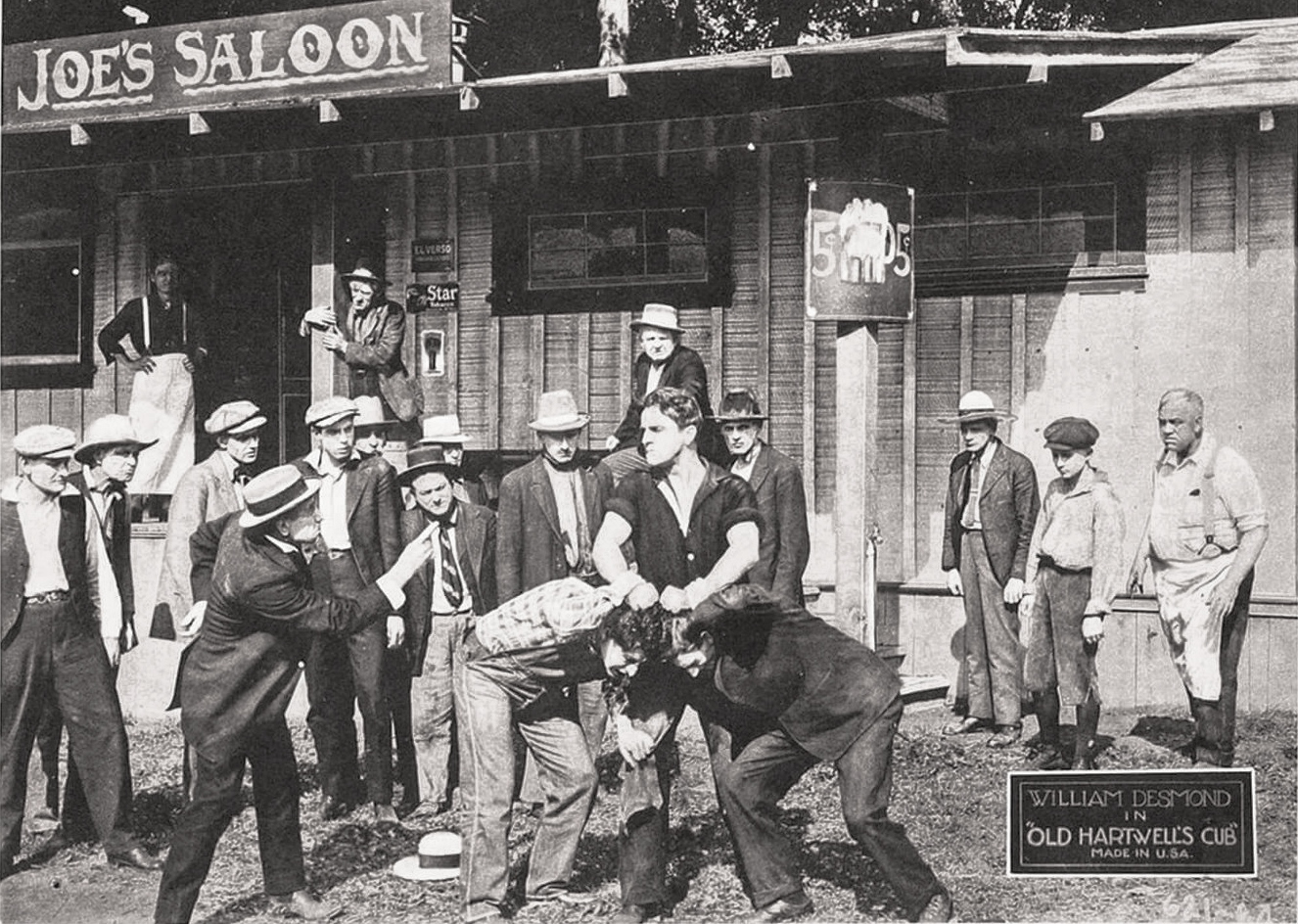
In this work, Thomas N. Heffron explores the intersection of cult and United States cultural identity. The meticulous attention to detail suggests a deep-seated commitment to pushing the boundaries of the medium, ensuring that Old Hartwell's Cub remains a relevant topic of study for cult enthusiasts.
| Cinematography | Static |
| Soundtrack | Diegetic |
| Editing | Rhythmic |
| Art Direction | Naturalist |
Visualizing the convergence of Thomas N. Heffron's style and the core cult narrative.
Although Tom Hartwell is the town drunk of Matherville, his son Bill, a blacksmith, loves him and batters down the jail door when the old man is arrested. In an effort to drive them both out of the village, the narrow-minded townspeople attack Bill, but the Rev. David Lane defends him and then invites him to dinner. Bill falls in love with the reverend's daughter, Mary Lane, but she becomes infatuated with Edward Jones and marries him. Edward robs Mary and flees to Chico, Arizona, and when Mary follows him, she learns that he has a wife there. Following his father's death, Bill travels to Chico, where he and Mary become entangled in several adventures. Finally Bill is accused of stealing a horse, and after Mary rescues him just as he is about to be hanged, the two return to Matherville as man and wife.
Decades after its release, Old Hartwell's Cub remains a vital piece of the cinematic puzzle. Its influence can be seen in countless modern works, solidifying Thomas N. Heffron's status as a master of the craft in United States and beyond.