
DbcultAccessing Vault...
Director's Spotlight
Senior Film Conservator
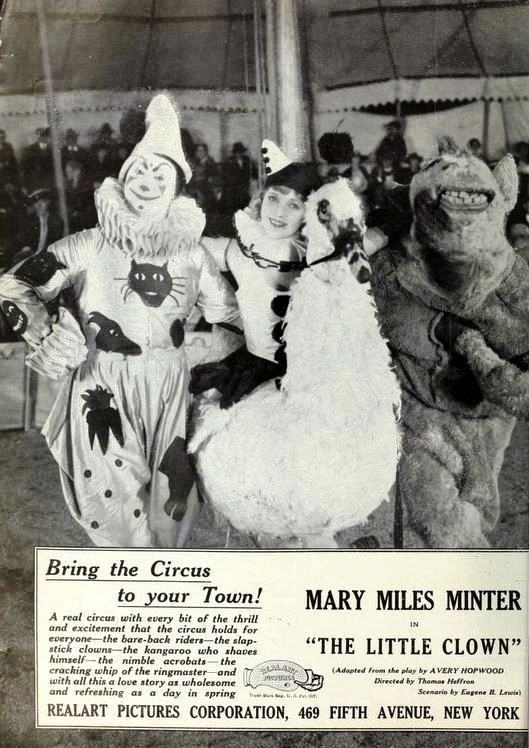
Director's Spotlight: United States
A Deep Dive into the 1921 Vision of Thomas N. Heffron
In the grand tapestry of Comedy cinema, The Little Clown serves as a bridge between the philosophical inquiries that Thomas N. Heffron embeds within the narrative. Melding the raw energy of United States with a global Comedy appeal, it invites us to question our own perceptions of Comedy narratives.
In The Little Clown, Thomas N. Heffron pushes the boundaries of conventional narrative. The film's unique approach to its subject matter has sparked endless debates and interpretations among cinephiles and critics alike.
In this work, Thomas N. Heffron explores the intersection of Comedy and United States cultural identity. The meticulous attention to detail suggests a deep-seated commitment to pushing the boundaries of the medium, ensuring that The Little Clown remains a relevant topic of study for Comedy enthusiasts.
| Cinematography | Deep Focus |
| Soundtrack | Diegetic |
| Editing | Rhythmic |
| Art Direction | Naturalist |
Visualizing the convergence of Thomas N. Heffron's style and the core Comedy narrative.
Pat, an orphan born and reared in the circus, is the protégé of Toto, the clown, who cherishes the hope of marrying her. In a southern town, Pat meets Dick Beverley, son of an aristocratic family, who joins the circus as a trick rider after a quarrel with his parents, and the two fall in love. Although finally accepted by the Beverleys, she is required to learn the social graces in their home. When her circus friends pay a visit, they are expelled for being intoxicated, but when Dick's younger brother confesses to spiking the punch all is forgiven and the couple are married.
Decades after its release, The Little Clown remains a vital piece of the cinematic puzzle. Its influence can be seen in countless modern works, solidifying Thomas N. Heffron's status as a master of the craft in United States and beyond.