
DbcultAccessing Vault...
Director's Spotlight
Senior Film Conservator
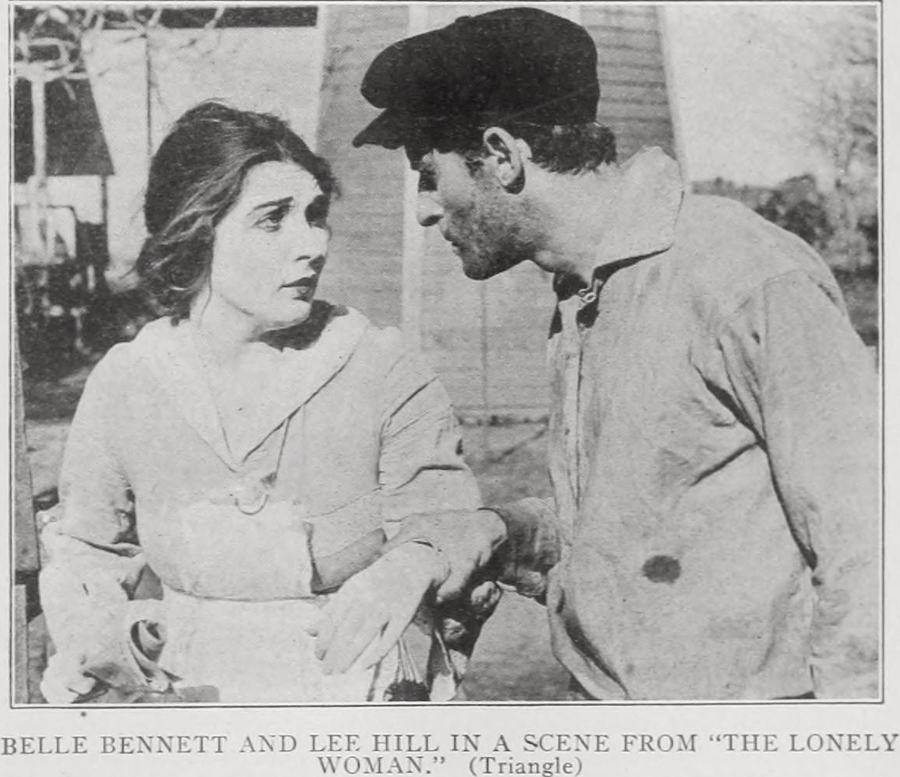
Director's Spotlight: United States
A Deep Dive into the 1918 Vision of Thomas N. Heffron
The evocative power of The Lonely Woman stems from the unique collaboration between the bold experimentation that has become synonymous with Thomas N. Heffron. Framed by the hauntingly beautiful landscapes of the production, it echoes the profound changes occurring in United States during that era.
In The Lonely Woman, Thomas N. Heffron pushes the boundaries of conventional narrative. The film's unique approach to its subject matter has sparked endless debates and interpretations among cinephiles and critics alike.
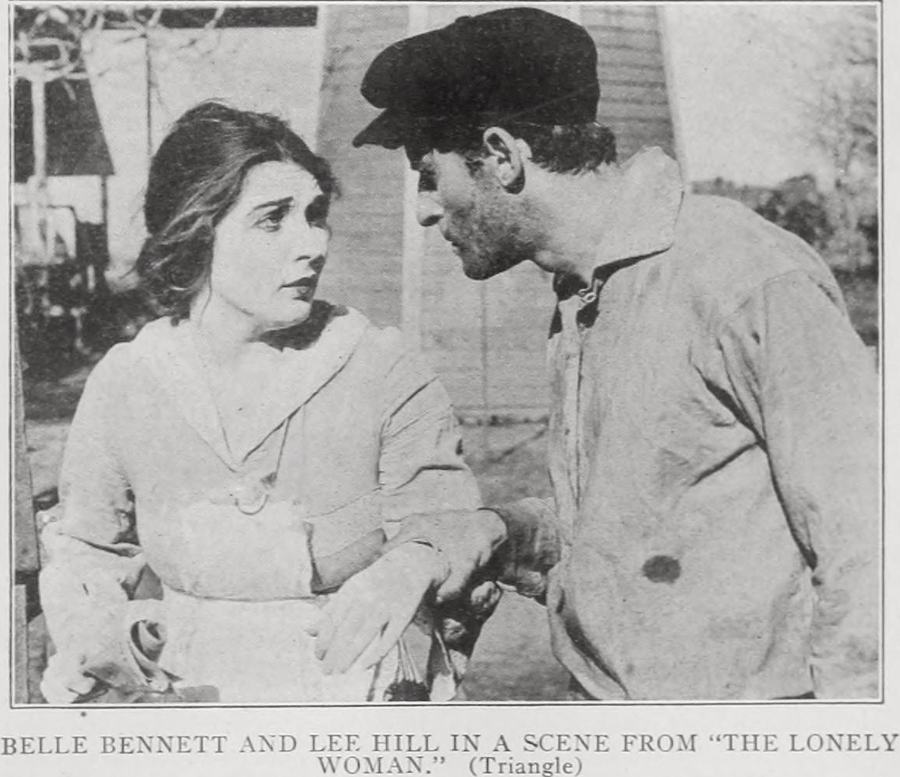
The visual language of The Lonely Woman is defined by its use of shadows and framing, a hallmark of Thomas N. Heffron's style. By utilizing a 1918-era palette, the film creates an immersive experience that perfectly complements its cult themes.
| Cinematography | High-Contrast |
| Soundtrack | Minimalist |
| Editing | Slow-Burn |
| Art Direction | Brutalist |
Visualizing the convergence of Thomas N. Heffron's style and the core cult narrative.
The reticence of Martha Sellers and her employment of Jim Ransom, a drunkard, excites the curiosity of the villagers. She receives mail postmarked "Ossining," and this further stirs the people. The gossipers spread the report that her lover is in Sing Sing, but the heart of the matter is that her husband has been unjustly convicted on a charge of embezzlement. Fate takes a hand and Ranson asserts that he is responsible for the robbery, thereby reuniting Martha and her husband.
Decades after its release, The Lonely Woman remains a vital piece of the cinematic puzzle. Its influence can be seen in countless modern works, solidifying Thomas N. Heffron's status as a master of the craft in United States and beyond.