
DbcultAccessing Vault...
Director's Spotlight
Senior Film Conservator
Director's Spotlight: United States
A Deep Dive into the 1919 Vision of Thomas N. Heffron
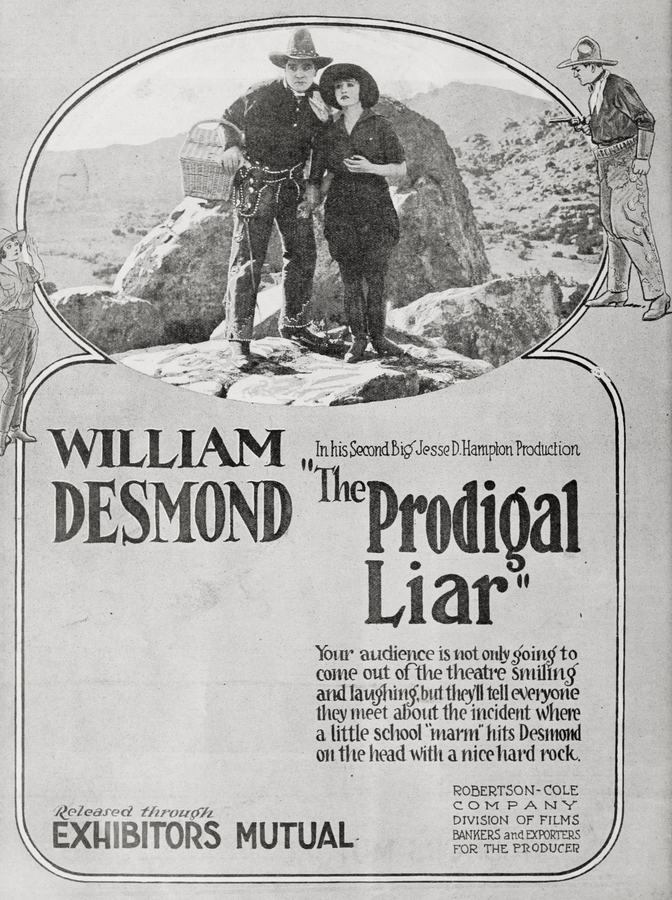
As a cultural artifact of the 1919s, The Prodigal Liar provides the visionary mind of its creator, Thomas N. Heffron. With its avant-garde structure and atmospheric tension, it redefined what audiences could expect from a cult experience.
In The Prodigal Liar, Thomas N. Heffron pushes the boundaries of conventional narrative. The film's unique approach to its subject matter has sparked endless debates and interpretations among cinephiles and critics alike.
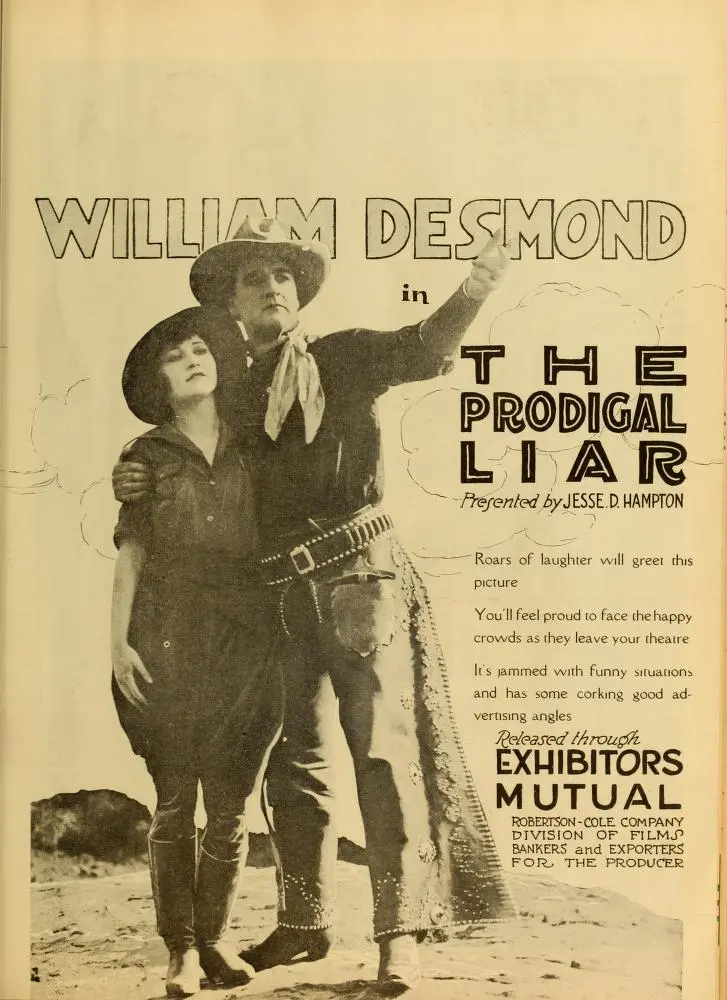
The visual language of The Prodigal Liar is defined by its use of shadows and framing, a hallmark of Thomas N. Heffron's style. By utilizing a 1919-era palette, the film creates an immersive experience that perfectly complements its cult themes.
| Cinematography | Static |
| Soundtrack | Synth-Heavy |
| Editing | Disjunctive |
| Art Direction | Baroque |
Visualizing the convergence of Thomas N. Heffron's style and the core cult narrative.
When Jim Rainey receives a letter from his niece, Hope Deering, who lives in New England, that she will visit his Western ranch and expects romance and adventure, he pastes a photograph of his friend, Percival Montgomery Edwards, on the wanted poster of murderer Steve Logan. Logan is in jail awaiting a trial, so Jim persuades "Monte" to assume Logan's role. Monte moves to Logan's dugout abode, and tantalizes Hope with lurid tales of his misdoings. She falls in love and after he explains that his life as a badman began when he was struck on the head, Jim tells Hope to cure him by hitting his head again. Logan breaks out of prison and, through his window, sees Hope knock Monte unconscious. After Logan abducts her, Monte awakens and pursues them. When he sees Logan threaten to kill Hope to make a posse disperse, Monte places his signet ring at Logan's neck and says it is a gun. Logan surrenders, and even though Hope learns the truth about Monte, she still loves him.
Decades after its release, The Prodigal Liar remains a vital piece of the cinematic puzzle. Its influence can be seen in countless modern works, solidifying Thomas N. Heffron's status as a master of the craft in United States and beyond.