
DbcultAccessing Vault...
Director's Spotlight
Senior Film Conservator
Director's Spotlight: United States
A Deep Dive into the 1918 Vision of Thomas N. Heffron
The evocative power of The Sea Panther stems from the unique collaboration between the subversive storytelling techniques employed by Thomas N. Heffron in 1918. Synthesizing the best elements of United States and international cinema, it reminds us of the fragility and beauty of the 1918s.
In The Sea Panther, Thomas N. Heffron pushes the boundaries of conventional narrative. The film's unique approach to its subject matter has sparked endless debates and interpretations among cinephiles and critics alike.
In this work, Thomas N. Heffron explores the intersection of cult and United States cultural identity. The meticulous attention to detail suggests a deep-seated commitment to pushing the boundaries of the medium, ensuring that The Sea Panther remains a relevant topic of study for cult enthusiasts.
| Cinematography | Noir-Inspired |
| Soundtrack | Experimental |
| Editing | Invisible |
| Art Direction | Kitsch |
Visualizing the convergence of Thomas N. Heffron's style and the core cult narrative.
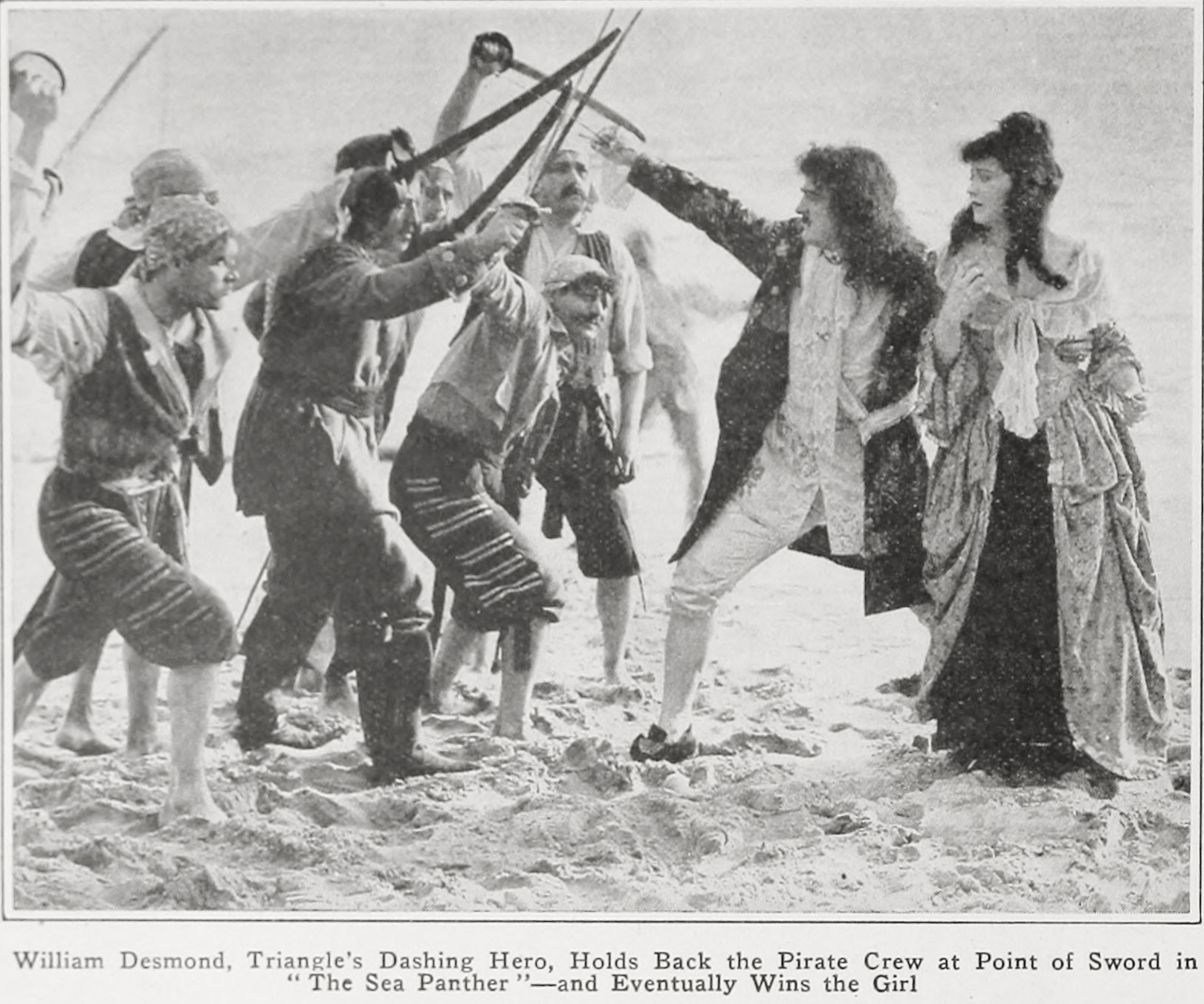
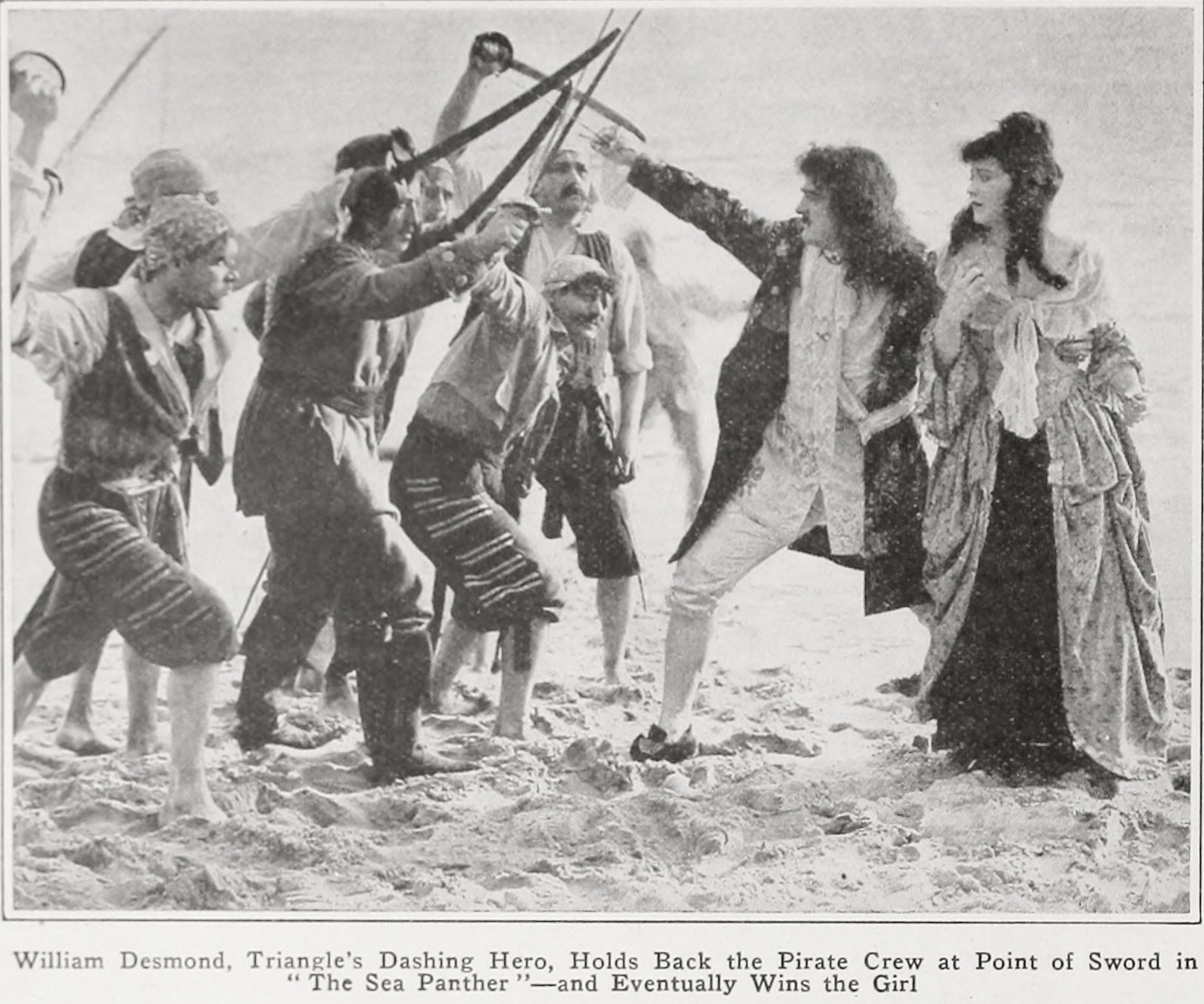
Paul Le Marsan captains his seventeenth-century French pirate ship, the Cygnet, with an iron hand, but is all graciousness and charm with the ladies. When his crew captures the British ship Lady Devon, Paul encounters the beautiful Molly Tarpley, who is en route to join her uncle in the Carolinas. Escorting the British ship to the pirate town of Cayo del Muerto in the Bahama Islands, Paul protects Molly, drawing his sword on any buccaneer who dares to touch her. After accommodating Molly in his richly furnished home, Paul realizes that she will never return his love and agrees to sail the Lady Devon to the Carolinas. As the ship nears the coast, however, Paul's crew rebels, enabling the British to retake their ship and lock Paul in irons. To repay Paul for his kindness, Molly secretly releases him, kisses him once and watches as he rows away.
Decades after its release, The Sea Panther remains a vital piece of the cinematic puzzle. Its influence can be seen in countless modern works, solidifying Thomas N. Heffron's status as a master of the craft in United States and beyond.