
DbcultAccessing Vault...
Director's Spotlight
Senior Film Conservator
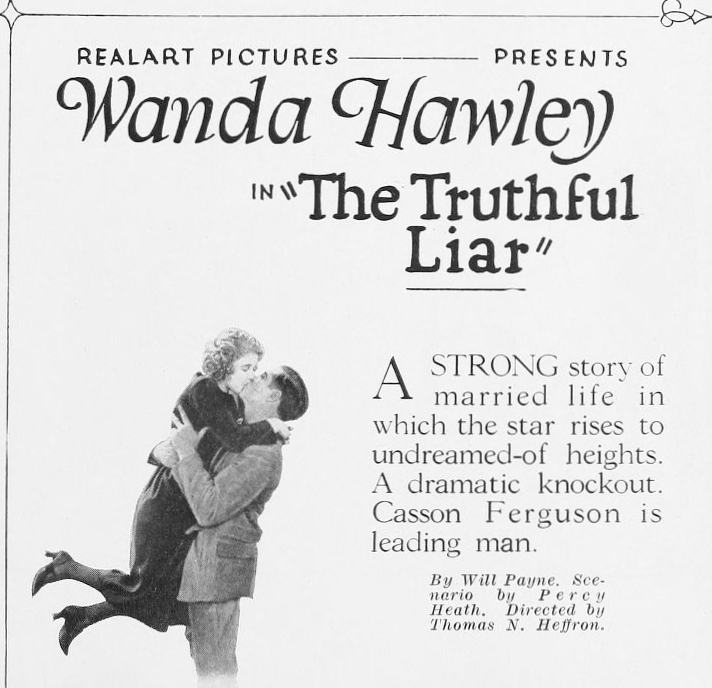
Director's Spotlight: United States
A Deep Dive into the 1922 Vision of Thomas N. Heffron
Few works in United States cinema carry the same weight as The Truthful Liar, especially regarding the cultural zeitgeist captured so perfectly by Thomas N. Heffron in 1922. Utilizing a 1922-specific aesthetic that remains timeless, it serves as a blueprint for future generations of Mystery directors.
In The Truthful Liar, Thomas N. Heffron pushes the boundaries of conventional narrative. The film's unique approach to its subject matter has sparked endless debates and interpretations among cinephiles and critics alike.
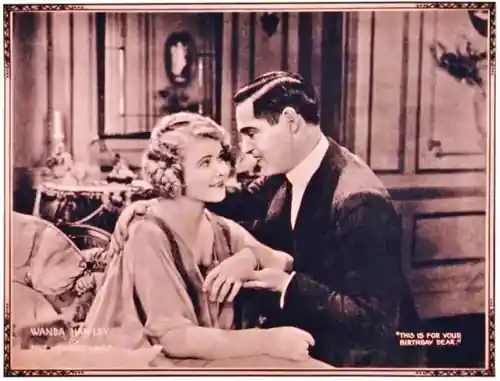
While deeply rooted in United States, The Truthful Liar has achieved a global reach, influencing directors from various backgrounds. Its ability to translate Mystery tropes into a universal cinematic language is why it remains a cult staple decades after its 1922 release.
| Cinematography | Handheld |
| Soundtrack | Minimalist |
| Editing | Slow-Burn |
| Art Direction | Brutalist |
Visualizing the convergence of Thomas N. Heffron's style and the core Mystery narrative.
Tess, who has a taste for society life, is neglected by her hard-working husband, David. She goes with an ex-suitor, Arthur Sinclair, to a notorious gambling establishment; while there, a raid is staged by the henchmen of Potts, Arthur is wounded, and Tess's rings are stolen. She lies to David but is exposed when the police show the jewels for identification; David then becomes infuriated with Sinclair. A letter written to Sinclair by Tess, discrediting her husband, falls into the hands of a housemaid, who sells it to Potts. The latter offers to return it for $15,000; Tess tries to buy it for a smaller sum and is refused. When detectives arrive to arrest Potts, he is found murdered; at the inquiry the fateful letter falls into the hands of David, but the murderer proves to be Vanetti, an enemy of Potts. David is reunited with Tess after destroying the letter, unread.
Decades after its release, The Truthful Liar remains a vital piece of the cinematic puzzle. Its influence can be seen in countless modern works, solidifying Thomas N. Heffron's status as a master of the craft in United States and beyond.