
DbcultAccessing Vault...
Director's Spotlight
Senior Film Conservator
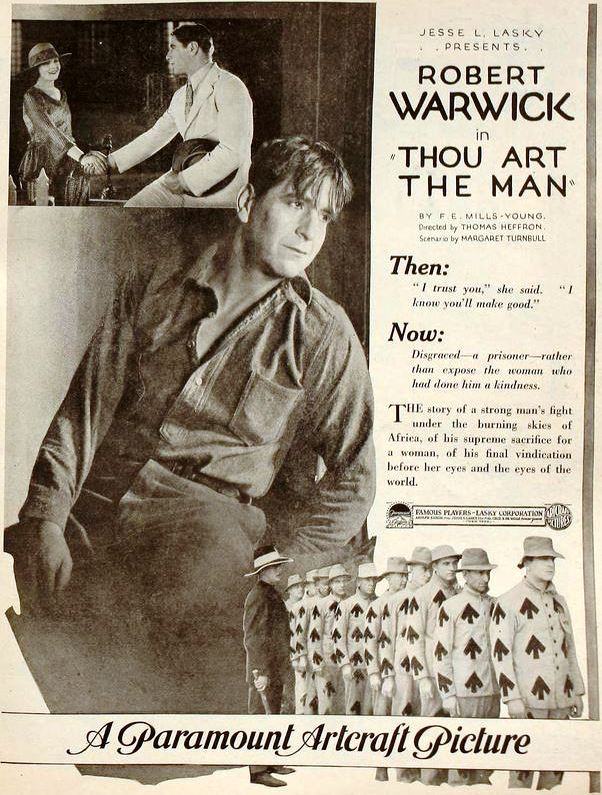
Director's Spotlight: United States
A Deep Dive into the 1920 Vision of Thomas N. Heffron
The enduring fascination with Thou Art the Man is a testament to the defining moment in Drama history that Thomas N. Heffron helped create. This film stands as a masterclass in visual storytelling, it has cemented its place in the global cult cinema archive.
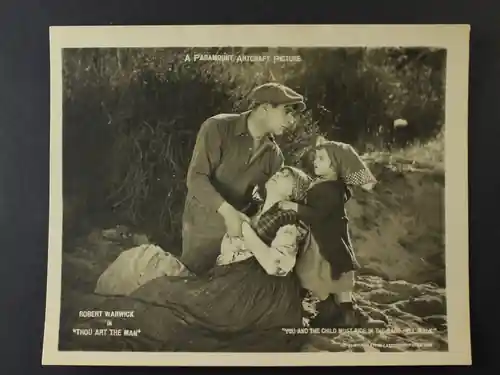
In Thou Art the Man, Thomas N. Heffron pushes the boundaries of conventional narrative. The film's unique approach to its subject matter has sparked endless debates and interpretations among cinephiles and critics alike.
| Cinematography | High-Contrast |
| Soundtrack | Diegetic |
| Editing | Rhythmic |
| Art Direction | Naturalist |
Visualizing the convergence of Thomas N. Heffron's style and the core Drama narrative.
Suspicious that his employers are diamond-smugglers, soldier-of-fortune Myles Calthrope quits his job in the African mines and heads south, where he meets and falls in love with Joan Farrant. Unaware that her brother Henry is in the diamond-smuggling business, Joan obtains Myles a position in the family firm. Myles is given an envelope of legal documents to deliver, but when he is searched aboard ship, diamonds are discovered in the pouch and Myles is imprisoned. After completing his sentence, Myles secures a job on the Prescott sugar plantation, where he again meets Joan, who denounces him as a smuggler. Mr. Prescott, Myles's employer, determines to prove Myles' innocence, finally pinning the crime on Farrant who, on his deathbed, exonerates Myles. Finally realizing that she has misjudged Myles, Joan goes to him and begs his forgiveness.
Decades after its release, Thou Art the Man remains a vital piece of the cinematic puzzle. Its influence can be seen in countless modern works, solidifying Thomas N. Heffron's status as a master of the craft in United States and beyond.