
DbcultAccessing Vault...
Director's Spotlight
Senior Film Conservator
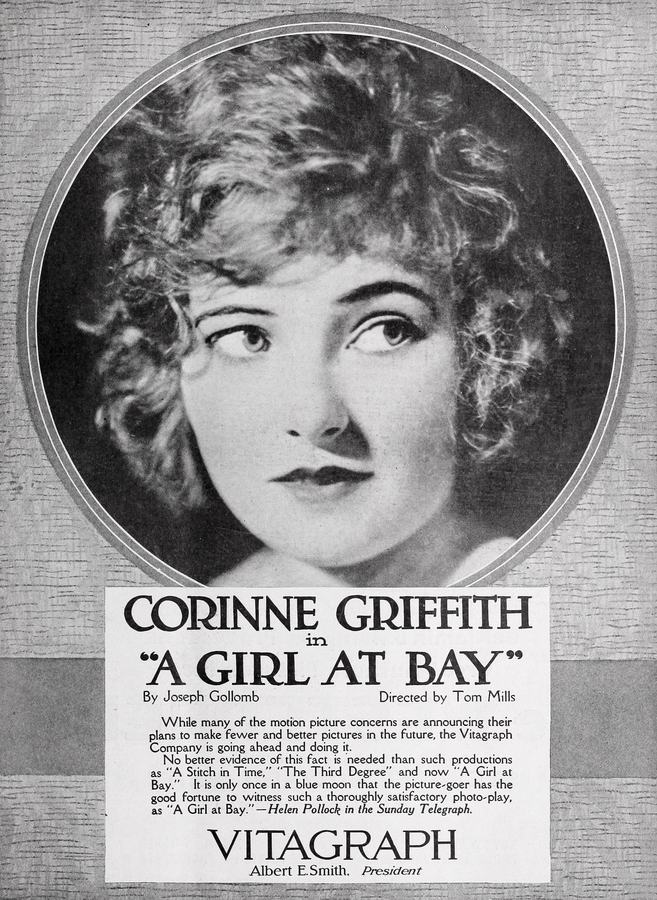
Director's Spotlight: United States
A Deep Dive into the 1919 Vision of Thomas R. Mills
The evocative power of A Girl at Bay stems from the unique collaboration between the subversive storytelling techniques employed by Thomas R. Mills in 1919. Synthesizing the best elements of United States and international cinema, it reminds us of the fragility and beauty of the 1919s.
In A Girl at Bay, Thomas R. Mills pushes the boundaries of conventional narrative. The film's unique approach to its subject matter has sparked endless debates and interpretations among cinephiles and critics alike.
While deeply rooted in United States, A Girl at Bay has achieved a global reach, influencing directors from various backgrounds. Its ability to translate cult tropes into a universal cinematic language is why it remains a cult staple decades after its 1919 release.
| Cinematography | Handheld |
| Soundtrack | Minimalist |
| Editing | Slow-Burn |
| Art Direction | Brutalist |
Visualizing the convergence of Thomas R. Mills's style and the core cult narrative.
After Mary Allen drops a blood-stained knife, Judge Robert Craigin's dead body lies next to her. Mary secures a secretarial position with Judge Bruce Craigin, the dead man's younger brother. Professor Galt, a criminal psychologist, and Detective Hooker believe that Mary committed the crime. Craigin and Mary fall in love and are married. Galt persuades Craigin to let Mary furnish their new home because a clue to the solving of the murder is the artistic furnishings of the room in which the murder victim was found. The similarity between the decor of the house and the crime room convinces Craigin that Mary murdered his brother, but Thomas Gray confesses to the crime. He had been in the room waiting to avenge his wife's wrongs on Craigin. When Craigin attacked Mary, she lifted her paper-knife and fainted, and Gray killed Craigin, leaving the murder weapon in Mary's hand. Mary and Bruce find happiness together.
Decades after its release, A Girl at Bay remains a vital piece of the cinematic puzzle. Its influence can be seen in countless modern works, solidifying Thomas R. Mills's status as a master of the craft in United States and beyond.