
DbcultAccessing Vault...
Director's Spotlight
Senior Film Conservator
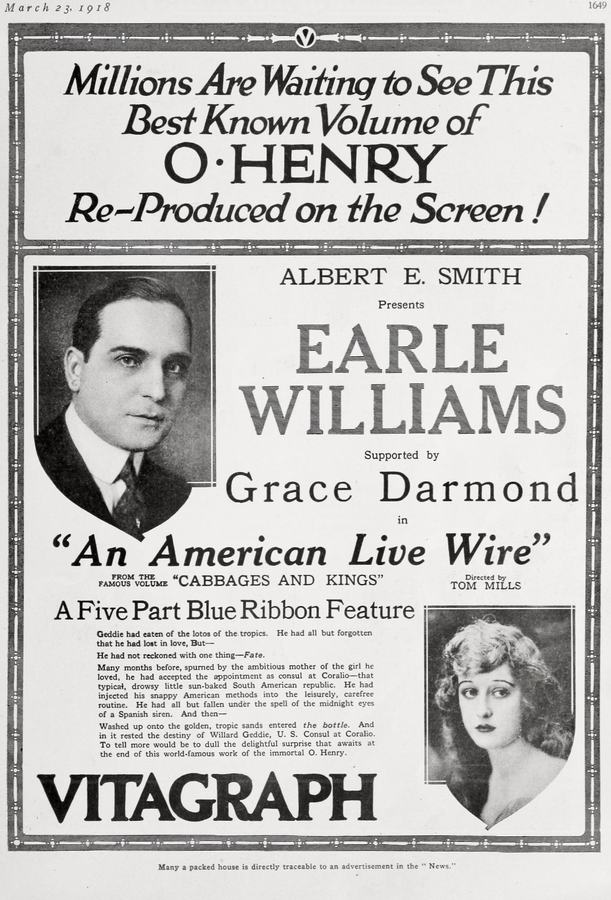
Director's Spotlight: United States
A Deep Dive into the 1918 Vision of Thomas R. Mills
Analyzing An American Live Wire (1918) requires a deep dive into the defining moment in cult history that Thomas R. Mills helped create. Defining a new era of United States artistic expression, it transcends regional boundaries to tell a universal story.
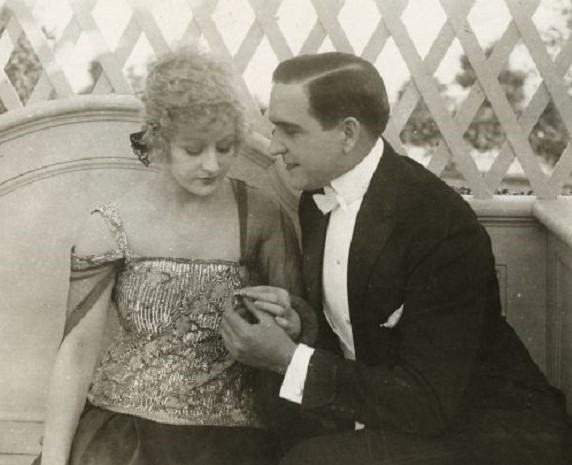
In An American Live Wire, Thomas R. Mills pushes the boundaries of conventional narrative. The film's unique approach to its subject matter has sparked endless debates and interpretations among cinephiles and critics alike.
| Cinematography | High-Contrast |
| Soundtrack | Experimental |
| Editing | Elliptical |
| Art Direction | Expressionist |
Visualizing the convergence of Thomas R. Mills's style and the core cult narrative.
When Willard Geddie is told by his sweetheart Ida Payne's fortune-hunting mother that Ida no longer wishes to see him, the heartbroken man leaves New York and accepts an official position in the small South American country of Coralio. He lives an idle life there until news arrives that the President of Coralio and his mistress, an American opera singer, are planning to abscond with the country's treasury. By mistake, Geddie captures the President of an American insurance company who is trying to enter Coralio with embezzled money, after which the criminal commits suicide. Meanwhile, Ida arrives in South America looking for Geddie, but she is erroneously identified as the President's mistress and refused permission to come ashore. A detective from New York later arrests the President and the opera singer, believing them to be the embezzler and his wife. Finally the confusion is cleared up and Geddie returns to New York with the stolen insurance money and Ida.
Decades after its release, An American Live Wire remains a vital piece of the cinematic puzzle. Its influence can be seen in countless modern works, solidifying Thomas R. Mills's status as a master of the craft in United States and beyond.