
DbcultAccessing Vault...
Director's Spotlight
Senior Film Conservator
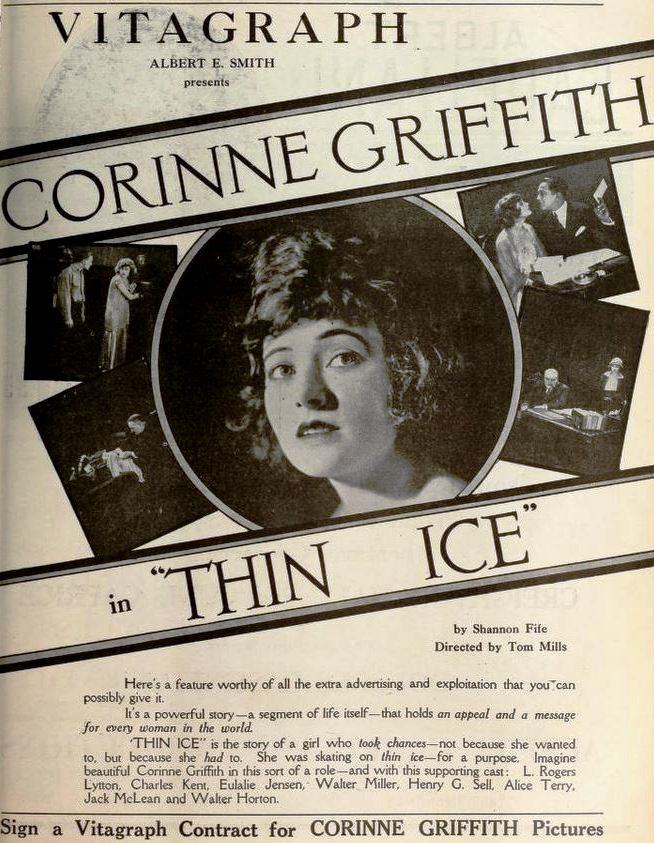
Director's Spotlight: United States
A Deep Dive into the 1919 Vision of Thomas R. Mills
The 1919 release of Thin Ice marked a significant moment for the enduring legacy of Thomas R. Mills's artistic contribution to the genre. By challenging the status quo of 1919 cinema, it has cemented its place in the global cult cinema archive.
In Thin Ice, Thomas R. Mills pushes the boundaries of conventional narrative. The film's unique approach to its subject matter has sparked endless debates and interpretations among cinephiles and critics alike.
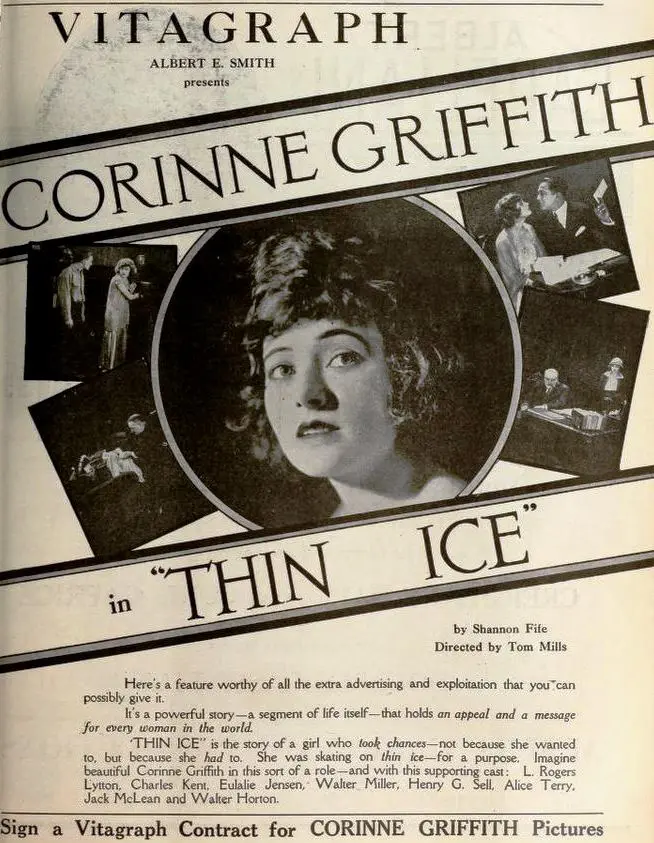
While deeply rooted in United States, Thin Ice has achieved a global reach, influencing directors from various backgrounds. Its ability to translate cult tropes into a universal cinematic language is why it remains a cult staple decades after its 1919 release.
| Cinematography | Static |
| Soundtrack | Experimental |
| Editing | Invisible |
| Art Direction | Kitsch |
Visualizing the convergence of Thomas R. Mills's style and the core cult narrative.
When Alice Winton's brother embezzles funds belonging to his employer, Benjamin Graves, a promoter of worthless mining stock, she saves him from arrest by signing over to Graves a hefty promissory note. Later Graves deliberately wrecks the mining company in which Alice's invalid father has invested his money, and the shock from the resulting bankruptcy, kills him. Alice marries Robert Burton, a noted criminologist who believes in the theory, "once a thief, always a thief," and the couple takes up temporary residence with District Attorney Jeffrey Miller. In Miller's safe are incriminating documents concerning Graves's illegal activities, and Graves, knowing of their existence, blackmails Alice into stealing them by showing her some compromising love letters to which he has forged her name. As Alice robs the safe, Ned, who has been arrested for larceny and is now being tested by the reform-minded district attorney, discovers her. After Ned hears of Graves's misdeeds, the burglar alarm sounds, and he and Alice are spotted. Casting suspicion on himself, Ned vows revenge on Graves and flees. Fearful, Alice goes to Graves's apartment, finds him dead just as the police arrive, and is implicated in the crime. At that moment, Rose La Vere, Graves's jilted lover, staggers in and, before dying from self-inflicted poison, confesses to the murder, thus clearing both Alice and her brother.
Decades after its release, Thin Ice remains a vital piece of the cinematic puzzle. Its influence can be seen in countless modern works, solidifying Thomas R. Mills's status as a master of the craft in United States and beyond.