
DbcultAccessing Vault...
Director's Spotlight
Senior Film Conservator
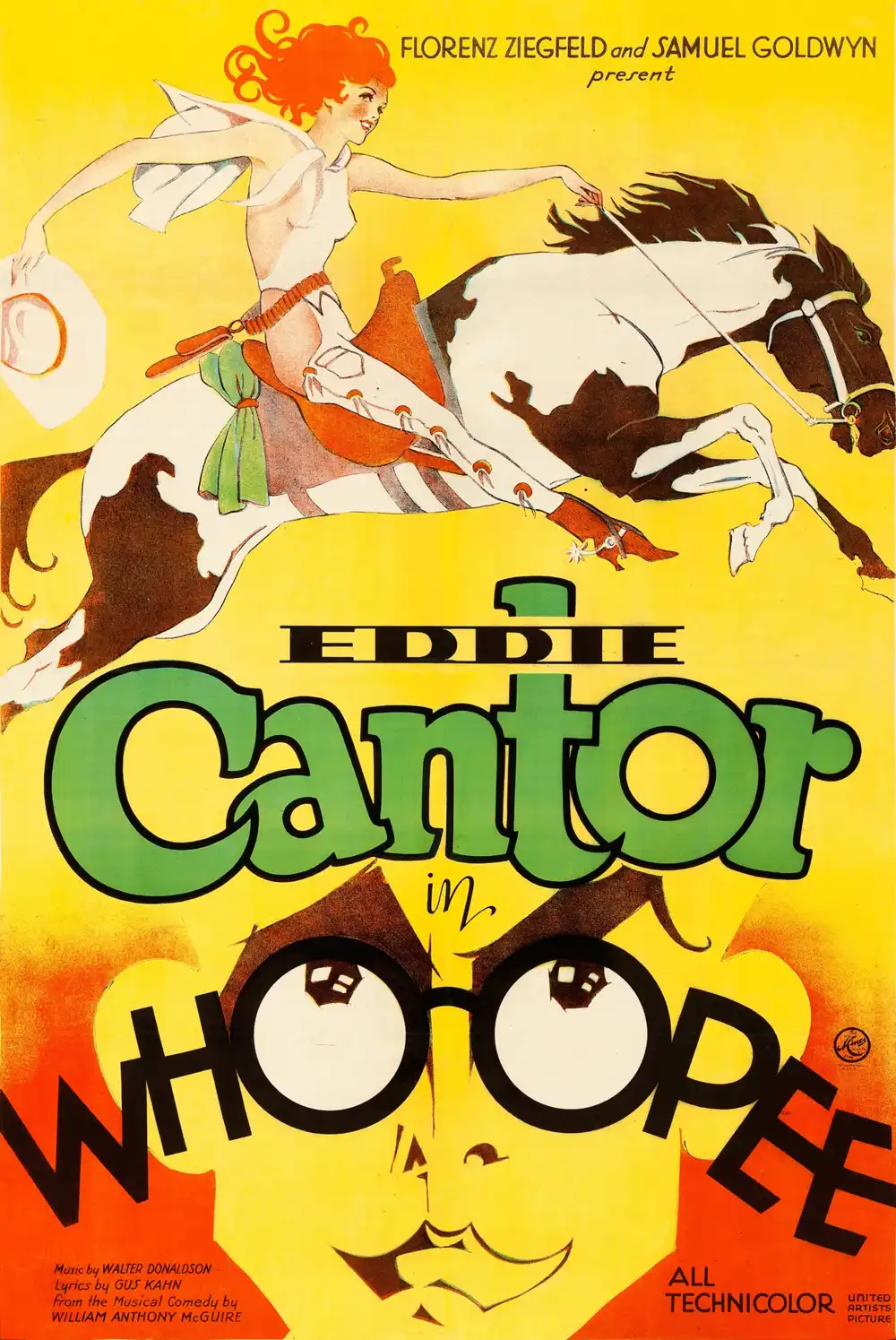
Director's Spotlight: United States
A Deep Dive into the 1930 Vision of Thornton Freeland
Deciphering the layers of Whoopee! (1930) reveals the complex thematic architecture established by Thornton Freeland. Utilizing a 1930-specific aesthetic that remains timeless, it stands as the definitive 1930 statement on Western identity.
In Whoopee!, Thornton Freeland pushes the boundaries of conventional narrative. The film's unique approach to its subject matter has sparked endless debates and interpretations among cinephiles and critics alike.
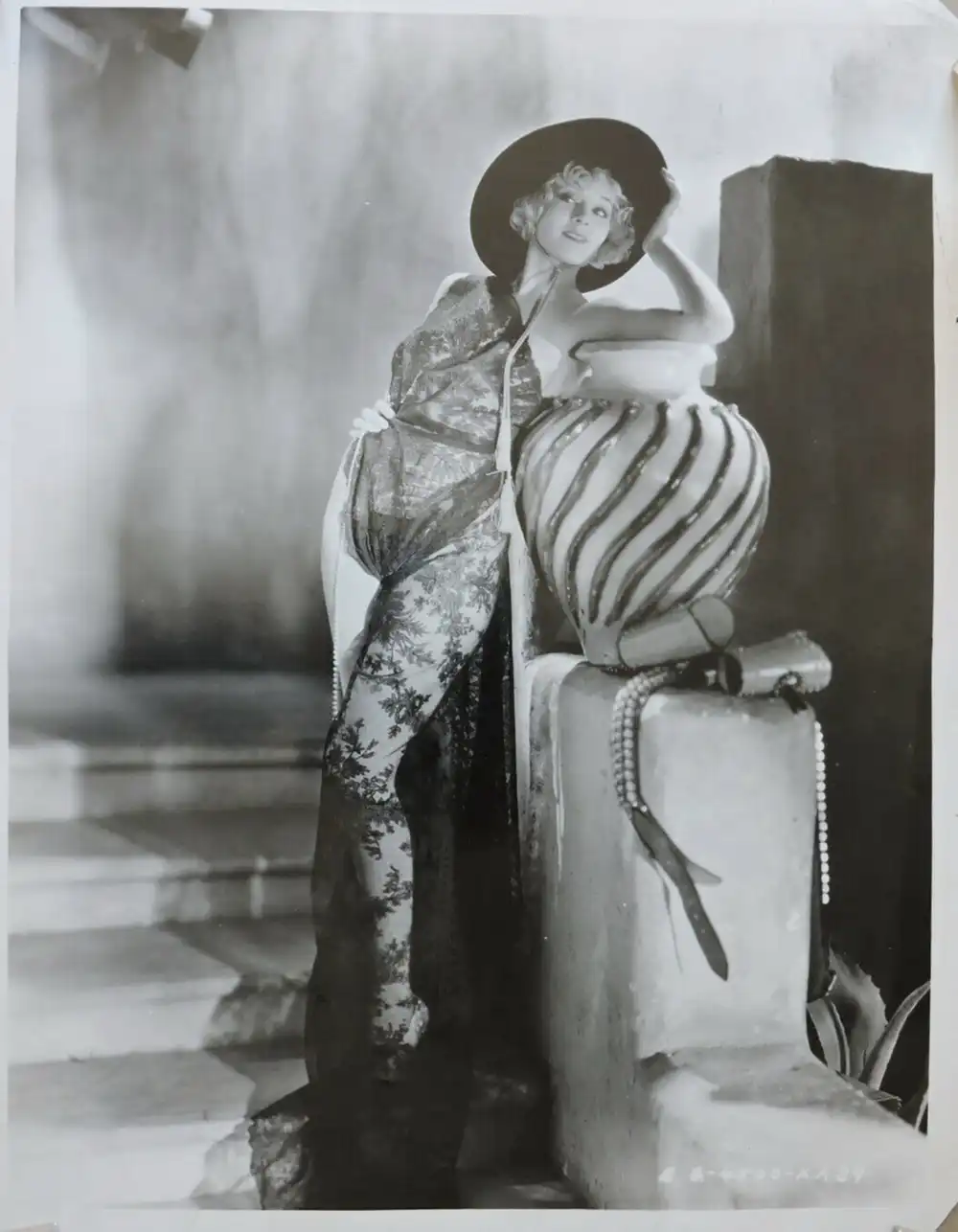
The visual language of Whoopee! is defined by its use of shadows and framing, a hallmark of Thornton Freeland's style. By utilizing a 1930-era palette, the film creates an immersive experience that perfectly complements its Western themes.
| Cinematography | Deep Focus |
| Soundtrack | Minimalist |
| Editing | Disjunctive |
| Art Direction | Baroque |
Visualizing the convergence of Thornton Freeland's style and the core Western narrative.
Western Sheriff Bob Wells is preparing to marry Sally Morgan, who loves part-Indian Wanenis, whose race is an obstacle. Sally flees the wedding with hypochondriac Henry Williams, who thinks he's just giving her a ride, but she left a note saying they've eloped. Chasing them are jilted Bob, Henry's nurse Mary (who's been trying to seduce him), and others.
Decades after its release, Whoopee! remains a vital piece of the cinematic puzzle. Its influence can be seen in countless modern works, solidifying Thornton Freeland's status as a master of the craft in United States and beyond.