
DbcultAccessing Vault...
Director's Spotlight
Senior Film Conservator
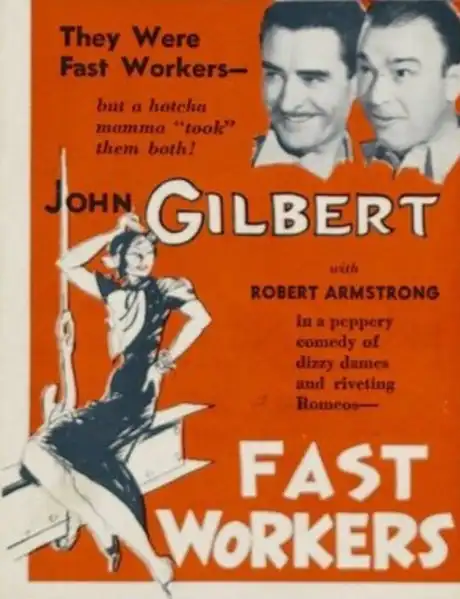
Director's Spotlight: United States
A Deep Dive into the 1933 Vision of Tod Browning
Analyzing Fast Workers (1933) requires a deep dive into the unique directorial voice that Tod Browning brought to the screen. By challenging the status quo of 1933 cinema, it continues to spark endless debates among critics and cinephiles alike.
In Fast Workers, Tod Browning pushes the boundaries of conventional narrative. The film's unique approach to its subject matter has sparked endless debates and interpretations among cinephiles and critics alike.
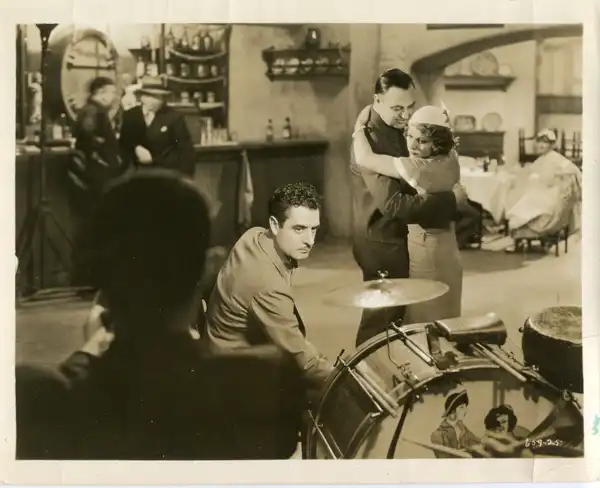
To fully appreciate Fast Workers, one must consider the cinematic climate of 1933. During this period, United States was undergoing significant artistic shifts, and Tod Browning was at the forefront of this Drama movement, often challenging established norms.
| Cinematography | Deep Focus |
| Soundtrack | Diegetic |
| Editing | Elliptical |
| Art Direction | Expressionist |
Visualizing the convergence of Tod Browning's style and the core Drama narrative.
Gunner and Bucker are pals who work as riveters. Whenever Bucker gets the urge to marry, which is often, Gunner will hit on his girl to see if she is true or not. So far, Gunner has not failed. But one night, while Gunner is in jail, Bucker meets Mary, a tough dame with a line. He falls for her, and she falls for his dough. But Mary is already a gal pal of Gunner, and no two know about the third one. The trouble starts when the triangle is revealed too late.
Decades after its release, Fast Workers remains a vital piece of the cinematic puzzle. Its influence can be seen in countless modern works, solidifying Tod Browning's status as a master of the craft in United States and beyond.