
DbcultAccessing Vault...
Director's Spotlight
Senior Film Conservator
Director's Spotlight: United States
A Deep Dive into the 1918 Vision of Tod Browning
Deciphering the layers of Set Free (1918) reveals the complex thematic architecture established by Tod Browning. Utilizing a 1918-specific aesthetic that remains timeless, it stands as the definitive 1918 statement on cult identity.
In Set Free, Tod Browning pushes the boundaries of conventional narrative. The film's unique approach to its subject matter has sparked endless debates and interpretations among cinephiles and critics alike.
| Cinematography | High-Contrast |
| Soundtrack | Orchestral |
| Editing | Slow-Burn |
| Art Direction | Brutalist |
Visualizing the convergence of Tod Browning's style and the core cult narrative.
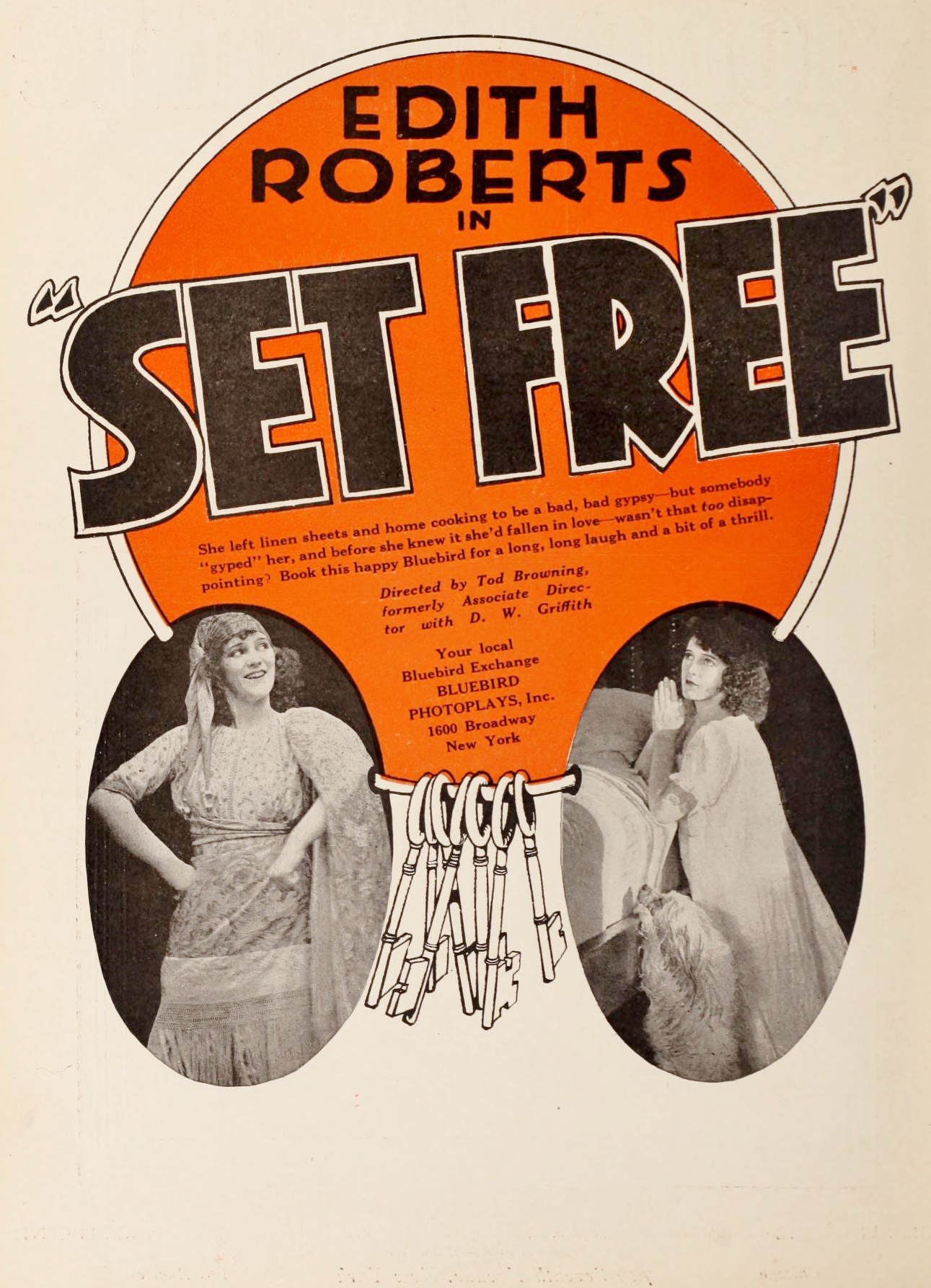
Roma Wycliffe, a high-spirited girl bored with the lavender-and-old-lace atmosphere of her Aunt Henrietta's estate, discovers that her grandmother was a gypsy and decides to become one herself. Wearing gypsy clothing, she runs away to New York, where she is arrested on the suspicion that she is Gypsy Nan, a thief. Mrs. Roberts, whose poodle had attracted Roma's attention, intercedes for the girl and, promising to care for her, takes her to her lavish home. Young John Roberts falls in love with Roma, but the "gypsy" imagines him too stodgy. To win her love, John declares himself the leader of a band of gypsy thieves and then hires a gang of ruffians to prove his claim. When the thugs actually rob a bank, John has them arrested, and Roma, realizing the darker side of gypsy life, marries John.
Decades after its release, Set Free remains a vital piece of the cinematic puzzle. Its influence can be seen in countless modern works, solidifying Tod Browning's status as a master of the craft in United States and beyond.