
DbcultAccessing Vault...
Director's Spotlight
Senior Film Conservator
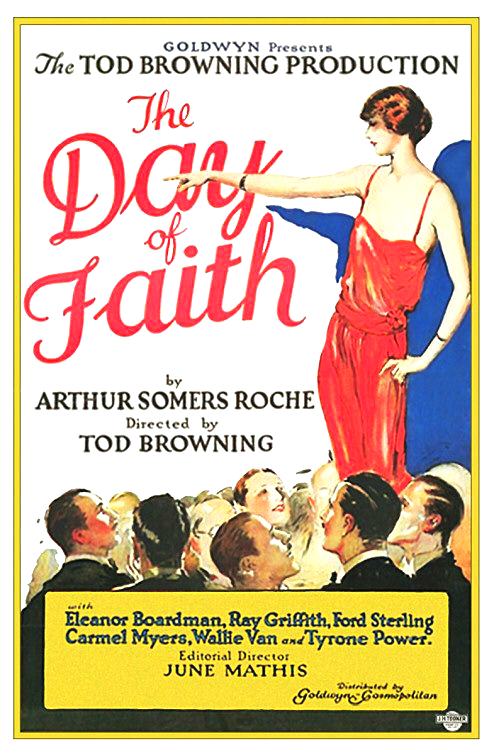
Director's Spotlight: United States
A Deep Dive into the 1923 Vision of Tod Browning
The brilliance of The Day of Faith (1923) is inseparable from a monumental shift in Drama filmmaking spearheaded by Tod Browning. Occupying a unique space between Drama and pure art, it serves as a blueprint for future generations of Drama directors.
In The Day of Faith, Tod Browning pushes the boundaries of conventional narrative. The film's unique approach to its subject matter has sparked endless debates and interpretations among cinephiles and critics alike.
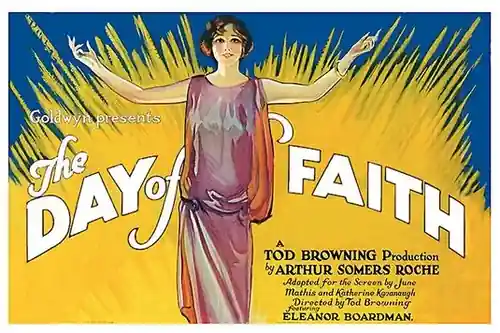
While deeply rooted in United States, The Day of Faith has achieved a global reach, influencing directors from various backgrounds. Its ability to translate Drama tropes into a universal cinematic language is why it remains a cult staple decades after its 1923 release.
| Cinematography | High-Contrast |
| Soundtrack | Minimalist |
| Editing | Disjunctive |
| Art Direction | Baroque |
Visualizing the convergence of Tod Browning's style and the core Drama narrative.
Jane Maynard opens a mission in memory of philanthropist Bland Hendricks. John Anstell, son of a powerful and selfish millionaire, Michael Anstell, falls in love with Jane, to the old man's disapproval. Anstell tries to undermine Jane's work by hiring reporter Tom Barnett to write an unfavorable story about the mission. After a visit, Barnett is so convinced, by Jane's sincerity, of the value of the endeavor that he volunteers his help. Anstell pretends to support the mission to gain public favor, but a mob seeking revenge for wrongs done by Anstell attacks the son, John, and beats him to death. Anstell sees his mistakes, awakens to the real purpose of Jane's work, and reforms. Jane and Barnett continue together at the mission.
Decades after its release, The Day of Faith remains a vital piece of the cinematic puzzle. Its influence can be seen in countless modern works, solidifying Tod Browning's status as a master of the craft in United States and beyond.