
DbcultAccessing Vault...
Director's Spotlight
Senior Film Conservator
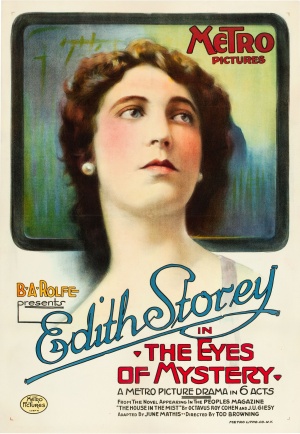
Director's Spotlight: United States
A Deep Dive into the 1918 Vision of Tod Browning
The thematic gravity of The Eyes of Mystery (1918) is rooted in the artistic risks taken by Tod Browning that eventually paid off. Defining a new era of United States artistic expression, it demands to be seen by anyone who cares about the art of film.
In The Eyes of Mystery, Tod Browning pushes the boundaries of conventional narrative. The film's unique approach to its subject matter has sparked endless debates and interpretations among cinephiles and critics alike.
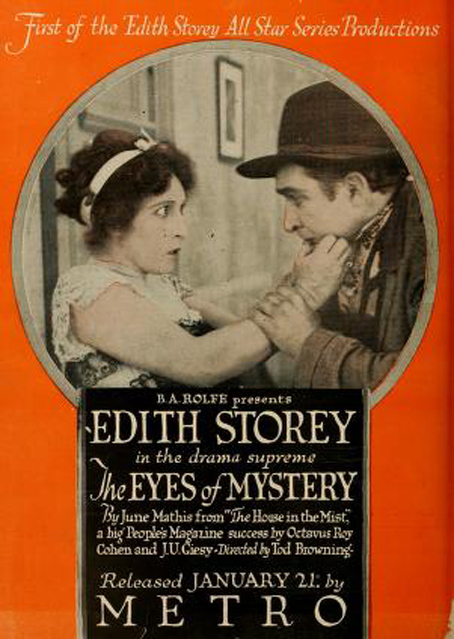
To fully appreciate The Eyes of Mystery, one must consider the cinematic climate of 1918. During this period, United States was undergoing significant artistic shifts, and Tod Browning was at the forefront of this cult movement, often challenging established norms.
| Cinematography | Noir-Inspired |
| Soundtrack | Minimalist |
| Editing | Slow-Burn |
| Art Direction | Brutalist |
Visualizing the convergence of Tod Browning's style and the core cult narrative.
Carma Carmichael, who lives with her uncle Quincy, is kidnapped by her renegade father Roger and taken to his ancestral Southern home. Uncle Quincy sends young Jack Carrington to investigate and goes into hiding, leading the Carmichaels to believe he is dead. Carma is at first suspicious of Jack's intentions but soon learns that the man who abducted her is actually an impostor who murdered her father and now lives in the plantation with a group of thugs. Despite "Roger's" attempts to take Jack's life, the young man incites the thugs against him and they attack the house. Uncle Quincy arrives with a posse, and after their rescue, Carma and Jack embrace.
Decades after its release, The Eyes of Mystery remains a vital piece of the cinematic puzzle. Its influence can be seen in countless modern works, solidifying Tod Browning's status as a master of the craft in United States and beyond.